

Based on your book
Feel-Bad Postfeminism
by McDermott, Catherine
McDermott takes a sharp, unflinching look at why modern womanhood feels so consistently fraught. She argues that instead of liberation, contemporary culture provides a landscape where women are expected to self-police their own failures, leading to a pervasive sense of inadequacy. The reading experience is less like a traditional academic text and more like having a conversation with an incredibly perceptive, slightly cynical friend who refuses to let you look away from the structural cracks in your daily life. It is an intellectual gut-check that forces you to examine the emotional labor you perform just to navigate societal expectations. If you are the type of reader who prefers biting cultural analysis over feel-good self-help, and if you have ever felt a nagging, unnameable dissatisfaction with the current state of gender politics, this book will provide the language to explain exactly why.
10 Books similar to 'Feel-Bad Postfeminism'
Since you appreciate the way McDermott dissects the intersection of systemic power and personal identity, these selections were curated to deepen that inquiry. Whether you are looking for the sociological roots of emotional labor found in Hochschild or the sharp, modern critiques of digital existence in Tolentino, these books share the same refusal to accept surface-level empowerment. They provide a roadmap for understanding the moral dilemmas and cynical realities that define current cultural discourse. Each author offers a different lens on the same struggle, helping to contextualize the persistent, systemic discomfort that McDermott identifies.
As an Amazon Associate, we earn from qualifying purchases.

by Naomi Wolf
Like McDermott's work, this seminal text deconstructs how cultural standards of beauty are used as a political weapon against women's advancement. It shares a sharp, analytical focus on the hidden mechanisms of gender oppression in contemporary society.

by Susan Faludi
This book provides the historical and sociological framework that underpins the 'feel-bad' cultural phenomenon, examining how media and politics manufacture dissatisfaction. Readers interested in the structural critiques found in McDermott's work will appreciate this deep dive into systemic gender politics.

Tolentino explores the fractured nature of modern womanhood and the internet age with a similar blend of cultural criticism and personal reflection. It captures the same feeling of being trapped within the expectations of 'postfeminist' digital culture.

by Roxane Gay
Gay navigates the complexities of identifying as a feminist while acknowledging the contradictions inherent in modern life and media consumption. It resonates with the themes of McDermott's work by highlighting the impossibility of achieving a 'perfect' feminist identity under current societal constraints.

Not sure what they've already read?
Let them pick their next favorite with an Amazon Gift Card.
As an Amazon Associate, we earn from qualifying purchases.

by Sara Ahmed
Ahmed examines the 'killjoy' figure and the emotional labor required to challenge patriarchal norms in everyday spaces. It serves as a perfect theoretical companion to McDermott, exploring the specific, often painful, emotional toll of being a feminist in a postfeminist world.
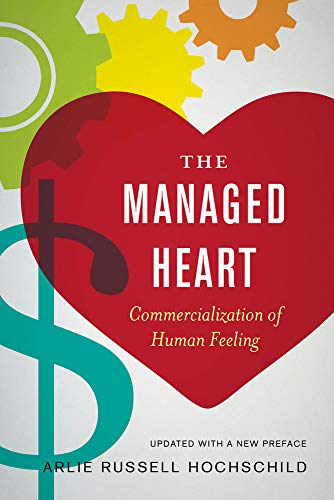
This classic sociological study on emotional labor provides the foundation for understanding why women are often pressured to perform 'happiness' in professional and personal spheres. It is essential reading for understanding the structural causes of the 'feel-bad' dynamic.

Kendall critiques mainstream feminism for ignoring the basic survival needs of marginalized women, offering a necessary expansion of the postfeminist discourse. It shares the critical, challenging tone of McDermott's analysis while broadening the scope of who the movement serves.

Solnit’s essays masterfully articulate the silencing of women and the gaslighting inherent in contemporary gender relations. Fans of McDermott will appreciate the sharp, concise, and highly relatable critique of how power dynamics play out in daily conversation.
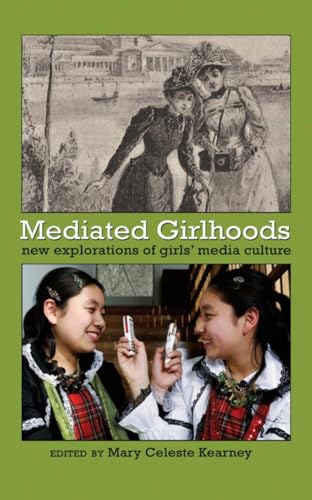
This collection of essays dissects how media constructs the identity of young women, reinforcing many of the 'feel-bad' tropes McDermott identifies. It is an excellent academic resource for readers looking to see how these theories apply to film, television, and digital media.

by Mark Fisher
While broader than gender studies, Fisher’s analysis of how late-stage capitalism restricts our ability to imagine alternatives is crucial for understanding the 'feel-bad' malaise of modern life. It provides the economic context that makes McDermott’s cultural critiques feel so urgent and suffocating.

Prefer to listen?
Try Audible and hear the story instead of reading it.
As an Amazon Associate, we earn from qualifying purchases.
As an Amazon Associate, we earn from qualifying purchases.