

Based on your book
Film as a subversive art
by Amos Vogel
Amos Vogel's Film as a subversive art is an exhilarating, often provocative journey into the underbelly of cinema, exploring how filmmakers have wielded the medium as a weapon against the status quo. This isn't a history of mainstream hits; it's a deep dive into the experimental, the transgressive, and the politically charged works that deliberately set out to dismantle conventional thought, challenge visual taboos, and question established power structures. Reading it feels like being pulled into an intense, intellectual conversation with a passionate critic who demands you look closer, think harder, and confront uncomfortable truths about art and society. Vogel champions the outsider's gaze, celebrating films that defy easy categorization and instead provoke profound shifts in perception. If you're fascinated by how art can ignite rebellion, dissect cultural norms, and offer a truly alternative vision, and you're ready for a demanding but ultimately rewarding intellectual workout, this book is absolutely for you.
10 Books similar to 'Film as a subversive art'
If Vogel's sharp dissection of cinema's rebellious spirit resonated with you, these books will continue that intellectual charge. We've curated this list for readers who appreciate how film and art can be potent tools for social commentary and challenging power dynamics. You'll find kindred spirits here, from directors like Tarkovsky and Bresson, who explored the profound, often subversive potential of the moving image, to critics like Farber and Berger, who similarly deconstruct how we perceive and are influenced by visual culture. These selections celebrate the outsider perspective and the relentless pursuit of artistic integrity in the face of convention.
As an Amazon Associate, we earn from qualifying purchases.
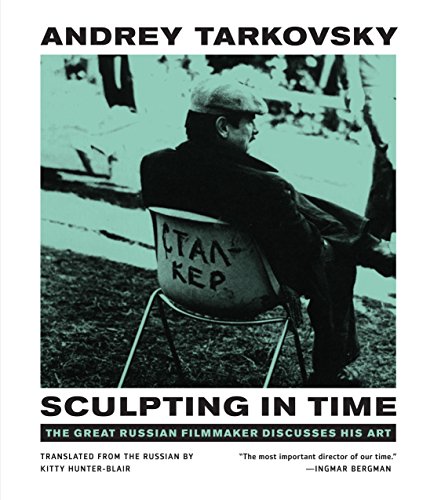
Like Vogel, Tarkovsky explores the spiritual and subversive power of cinema, focusing on how film can transcend traditional narrative to reach deeper philosophical truths. This book offers a profound look at the artistic integrity and poetic potential of the moving image.
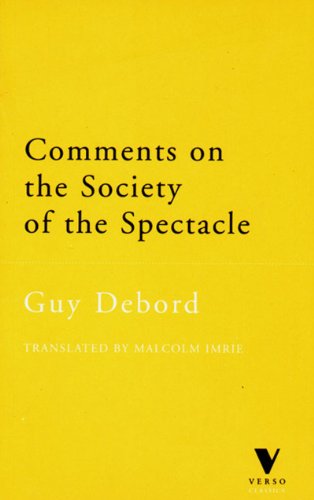
by Guy Debord
This foundational text of the Situationist International mirrors Vogel's interest in how visual media and imagery function as tools of social and political control. It provides the theoretical backbone for understanding the 'subversive' necessity Vogel champions.

by Manny Farber
Farber's celebration of 'termite art' over 'white elephant art' aligns perfectly with Vogel's preference for the underground and the unconventional. His sharp, idiosyncratic prose captures the same raw energy found in the avant-garde films Vogel documents.

by Walter Murch
While more technical, Murch’s exploration of film editing touches on the psychological and emotional manipulation of the viewer that Vogel finds so potent. It offers a masterclass in how the structure of film can be used to subvert reality.

Not sure what they've already read?
Let them pick their next favorite with an Amazon Gift Card.
As an Amazon Associate, we earn from qualifying purchases.

by J. Hoberman and Jonathan Rosenbaum
This book is the spiritual successor to Vogel’s work, documenting the cult and underground films that challenged mainstream sensibilities. It shares Vogel's passion for the transgressive and the marginalized in cinema history.

Bresson’s aphoristic style and radical approach to filmmaking mirror Vogel’s interest in cinema as a tool for stripping away artifice. Both authors advocate for a pure, often challenging form of visual expression that defies commercial norms.

Zinoman explores how a group of directors subverted the horror genre in the 1960s and 70s, much like the filmmakers Vogel highlights. It captures the same spirit of rebellion and the desire to confront audiences with uncomfortable truths.

Bergman’s autobiography provides an intimate look at the psychological depths and taboo subjects that Vogel identifies as essential to subversive art. It is a deeply personal account of using film to explore the human shadow.

by John Berger
Berger’s classic text on art criticism shares Vogel's commitment to deconstructing how we perceive images. It encourages readers to look beneath the surface of visual media to find the underlying political and social messages.

Schrader analyzes the 'slow cinema' of directors like Ozu and Bresson, focusing on how cinematic form can evoke the sacred. This analytical approach to non-traditional film structures resonates deeply with Vogel's curation of avant-garde works.

Prefer to listen?
Try Audible and hear the story instead of reading it.
As an Amazon Associate, we earn from qualifying purchases.
As an Amazon Associate, we earn from qualifying purchases.