

Based on your book
Finnegans Wake
by James Joyce
Finnegans Wake is less a novel and more a linguistic galaxy. It operates on the logic of a fever dream, cycling through the history of humanity and the rise and fall of the Earwicker family through a dense, multilingual, and polyphonic syntax. Joyce ignores the boundaries of conventional storytelling, opting instead for a circular narrative that begins mid-sentence and ends where it started. Reading it feels like trying to decipher a private, cosmic code; it is exhausting, musical, and frequently hilarious. Do not expect a traditional plot. This book is for the reader who treats literature as a puzzle to be solved over a lifetime, someone who finds joy in the sheer texture of words and is comfortable abandoning the need for linear clarity in exchange for an unparalleled aesthetic experience.
10 Books similar to 'Finnegans Wake'
Since you have survived the labyrinth of Joyce, these selections were curated to satisfy your appetite for structural anarchy and linguistic play. Whether it is the meta-fictional wit of Flann O'Brien or the maximalist paranoia of Thomas Pynchon, these books share a commitment to breaking the traditional novel form. We have grouped these titles because they treat the reader as a collaborator, demanding you navigate unreliable narrators and dream-logic. If you are looking for more, look here for authors who treat the page as a playground for philosophical and existential exploration.
As an Amazon Associate, we earn from qualifying purchases.

by James Joyce
As the direct predecessor to the linguistic experimentation of Finnegans Wake, this novel offers a more grounded but equally complex exploration of consciousness, myth, and urban life. It is essential reading for anyone captivated by Joyce's unique narrative voice and encyclopedic approach to storytelling.

Faulkner's mastery of stream-of-consciousness and fragmented, non-linear narratives mirrors Joyce's technique, creating a dense, challenging reading experience. The deep dive into the psychological disintegration of the Compson family provides a similarly immersive and demanding atmosphere.

Often cited as the spiritual successor to Joyce, this meta-fictional masterpiece blends Irish mythology with contemporary satire in a way that echoes the playfulness of Finnegans Wake. It is a brilliant, layered work that deconstructs the very nature of authorship and storytelling.

Woolf’s radical approach to narrative structure, focusing on the internal monologues of six characters, creates a poetic, dream-like quality that resonates with the fluidity of Joyce's prose. It is a profound meditation on time, memory, and the human condition.

Not sure what they've already read?
Let them pick their next favorite with an Amazon Gift Card.
As an Amazon Associate, we earn from qualifying purchases.
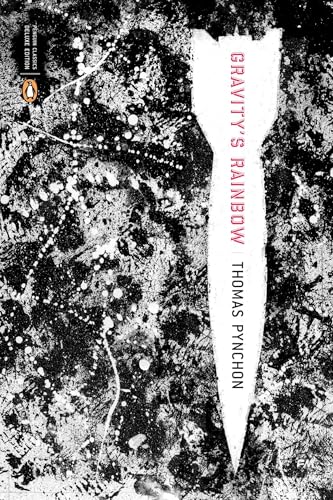
Like Finnegans Wake, this novel is a maximalist, encyclopedic labyrinth that demands deep engagement and rewards the reader with its sheer linguistic density and paranoia-fueled plot. Its kaleidoscopic structure and obsession with history and technology make it a natural progression for fans of Joyce.

This 18th-century classic is a precursor to modern experimental fiction, utilizing digressions, non-linear timelines, and typographic play that Joyce would later perfect. Its chaotic, humorous, and deeply unconventional structure will delight those who enjoy the structural anarchy of Finnegans Wake.

Nabokov's brilliance in wordplay, unreliable narration, and structural puzzles makes this a perfect companion for readers who enjoy unravelling complex texts. The interplay between the poem and the commentary creates a layered, intellectual experience that demands active participation.
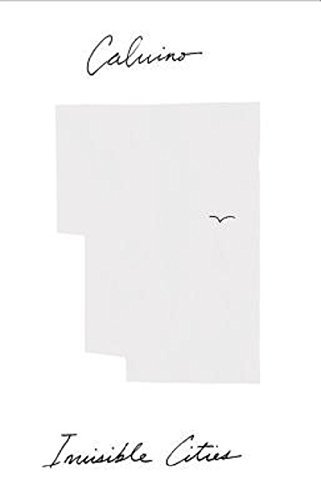
This lyrical, dream-like exploration of imaginary cities serves as a meditation on language, memory, and the nature of reality. Its fragmented, poetic structure offers a more accessible but equally philosophical experience for those who appreciate the dream-logic of Joyce.

A surreal, absurdist novel that explores themes of death, identity, and the bizarre nature of reality through a lens of dark humor. Its circular, nightmarish logic and linguistic inventiveness feel like a direct cousin to the world of Finnegans Wake.

Designed to be read in multiple sequences, this novel invites the reader to participate in the construction of the narrative, mirroring the non-linear, interactive nature of Joyce's work. It is a vibrant, intellectual, and deeply experimental exploration of love and philosophy.

Prefer to listen?
Try Audible and hear the story instead of reading it.
As an Amazon Associate, we earn from qualifying purchases.
As an Amazon Associate, we earn from qualifying purchases.