

Based on your book
Fire in the Minds of Men
by James Billington
Fire in the Minds of Men isn't just a history of revolutions; it's a deep dive into the very birth of revolutionary ideology. James Billington meticulously unearths how the concept of radical societal upheaval, from the late 18th to early 20th century, took shape in the minds of intellectuals, writers, and conspirators across Europe. He explores the surprising cultural and philosophical currents – from romanticism to occultism – that fertilized these dangerous new ideas, showing how they coalesced into a powerful, secular faith. Reading this is like sifting through an intellectual archaeological dig, uncovering the complex, often contradictory foundations of modern political thought. It’s a dense, rewarding journey for anyone who loves rigorous intellectual history and wants to understand the deep roots of political extremism, rather than just its surface manifestations. Prepare for a truly thought-provoking experience that reframes how you view the last few centuries.
10 Books similar to 'Fire in the Minds of Men'
If you found yourself absorbed by Billington's exploration of how radical ideas take root, you'll appreciate these further journeys into the minds and movements that reshape history. We've gathered books that delve into the intellectual underpinnings of mass movements, like Hannah Arendt's "Origins of Totalitarianism" and Eric Hoffer's "The True Believer," alongside powerful historical accounts such as Orlando Figes' "A People's Tragedy." You'll find both non-fiction and fiction that dissect the psychological forces behind rebellion, the insidious nature of power dynamics, and the often tragic real-world consequences of revolutionary fervor.
As an Amazon Associate, we earn from qualifying purchases.

A foundational work in political theory, Arendt's book meticulously dissects the historical, philosophical, and social conditions that gave rise to totalitarian regimes in the 20th century. Fans of Billington will appreciate its rigorous intellectual history and deep analysis of radical ideologies and their devastating consequences.

by Eric Hoffer
Hoffer's classic offers a concise yet profound psychological analysis of the motivations and dynamics behind mass movements, exploring why individuals are drawn to them and how they operate. It provides a complementary perspective to Billington's historical overview by delving into the 'minds of men' on a more individual, psychological level.

This monumental history provides an immersive and deeply human account of the Russian Revolution, exploring its intellectual origins, key figures, and devastating impact on society. Readers who appreciate Billington's comprehensive historical scope and analysis of revolutionary forces will find Figes' narrative equally compelling and informative.

Wright's Pulitzer-winning non-fiction work meticulously traces the origins and rise of al-Qaeda, exploring the ideological, historical, and personal factors that led to the 9/11 attacks. It offers a contemporary parallel to Billington's study of revolutionary movements, demonstrating how radical ideologies develop and manifest in devastating real-world events.

Not sure what they've already read?
Let them pick their next favorite with an Amazon Gift Card.
As an Amazon Associate, we earn from qualifying purchases.
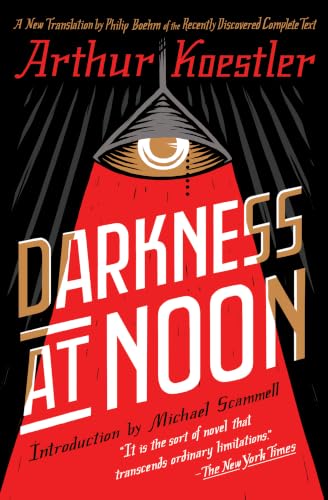
This powerful novel plunges into the psychological torment of an Old Bolshevik facing a show trial during Stalin's purges, exploring the chilling logic of totalitarian regimes and the betrayal of revolutionary ideals. Its intense focus on the individual's mind grappling with political ideology makes it a perfect fictional complement to Billington's historical analysis.

Conrad's chilling novel delves into the world of anarchists and political espionage in late 19th-century London, exploring the dark motivations and absurdities behind revolutionary plots. Its atmospheric portrayal of radical fringe groups and the psychological toll of their actions resonates strongly with the themes of 'Fire in the Minds of Men'.

A monumental work of investigative literature, Solzhenitsyn's exposé chronicles the brutal history and human cost of the Soviet forced labor camp system, a direct consequence of revolutionary ideology. It provides a stark and harrowing account of the practical implementation and devastating effects of the radical political theories Billington explores.

In this profound philosophical inquiry, Arendt examines the concept of revolution itself, comparing and contrasting the American and French Revolutions to explore what constitutes a true revolution and its lasting impact. It offers a theoretical and comparative framework that complements Billington's historical survey of revolutionary thought.

Orwell's iconic dystopian novel vividly portrays a totalitarian society where thought and individuality are brutally suppressed by an all-powerful state, serving as a chilling warning about the ultimate consequences of unchecked political ideology. Its exploration of psychological manipulation and the nature of power provides a powerful fictional mirror to the historical analyses in 'Fire in the Minds of Men'.

This concise yet comprehensive history offers a sweeping overview of a century of Russian revolution, from its roots in the late 19th century through the collapse of the Soviet Union. It provides a detailed, analytical, and accessible account of the key events, figures, and ideologies that shaped one of the most significant revolutionary periods, appealing to readers who appreciate Billington's broad historical scope.

Love to read on the go?
Explore Kindle e-readers and take your books with you.
As an Amazon Associate, we earn from qualifying purchases.
As an Amazon Associate, we earn from qualifying purchases.