

Based on your book
Flowers For Algernon
by Keyes, Daniel
Charlie Gordon is a man with a low IQ who works as a janitor and yearns to be smart. When he is chosen for an experimental procedure to artificially increase his intelligence, he documents his transformation through progress reports. At first, the writing is riddled with spelling errors and simple observations, but as his cognitive abilities skyrocket, his tone becomes increasingly sophisticated, cynical, and isolated. The book is an intimate, gut-wrenching look at the trade-offs of knowledge. You watch Charlie gain the world only to realize how much he has lost in the process, including his innocence and his connections to others. It is a slow-burn psychological study that forces you to question whether intelligence is truly a blessing. This is for readers who want a story that stays with them for years, specifically those who appreciate character-driven narratives that are as intellectually stimulating as they are emotionally devastating.
10 Books similar to 'Flowers For Algernon'
If Charlie Gordon’s journey left you questioning the ethics of scientific ambition, these ten titles explore similar territory. We curated this list because each book grapples with the burden of consciousness, the isolation that comes from being different, and the consequences of societal interference in human nature. Whether through the lens of neurological difference, dystopian conditioning, or the cold reality of medical experimentation, these stories echo the same existential ache found in Keyes' masterpiece. They are essential reading for anyone who values fiction that treats the fragility of the human mind with both intellectual rigor and deep empathy.
As an Amazon Associate, we earn from qualifying purchases.

by Mark Haddon
Like Charlie Gordon, the protagonist Christopher Boone offers a unique, unfiltered perspective on the world that challenges societal norms. It captures the difficulty of navigating human emotions and social structures while maintaining a deeply poignant and intellectual narrative voice.

This novel shares the ethical weight and tragic inevitability found in Keyes' work, focusing on characters whose lives are defined and controlled by scientific advancement. It is a quiet, devastating exploration of what it means to be human in the face of predetermined fates.

Set in a future where autism can be 'cured,' this book mirrors the central conflict of Flowers for Algernon regarding the ethics of altering one's fundamental nature. It is a deeply empathetic look at the trade-offs between conformity and self-identity.

Steinbeck's classic shares the heartbreaking themes of intellectual disability, loneliness, and the fragility of dreams. The bond between characters and the inevitable, tragic conclusion will resonate strongly with readers who loved the emotional core of Charlie's journey.

Love to read on the go?
Explore Kindle e-readers and take your books with you.
As an Amazon Associate, we earn from qualifying purchases.

by Mary Shelley
The ultimate archetype for the 'science gone wrong' narrative, this novel explores the loneliness of a being created through unnatural means and the rejection by society. It delves into the philosophical consequences of playing god, much like the experiment performed on Charlie.

by Andy Weir
While lighter in tone, the narrative structure relies heavily on log entries and scientific problem-solving to survive, reminiscent of Charlie's progress reports. It captures the same feeling of an intelligent, isolated protagonist facing impossible odds through sheer force of will.

by Oliver Sacks
This non-fiction classic by a neurologist details the lives of patients with bizarre neurological disorders, offering the same clinical yet deeply compassionate look at the human mind that Keyes mastered. It provides real-world context to the cognitive themes presented in fiction.
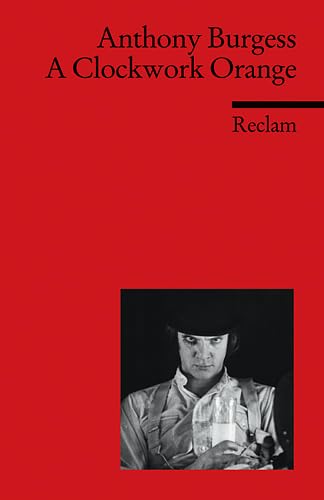
This novel explores the ethics of conditioning and the loss of free will through scientific intervention, mirroring the experimental themes of Keyes. It is a darker, more cynical examination of whether 'fixing' a person is truly a moral act.

by Lois Lowry
This story follows a young boy who gains knowledge and memories that isolate him from his peers, creating a profound 'before and after' shift in his consciousness. Readers will recognize the theme of the burden of intelligence and the pain of seeing the world as it truly is.

Butler's masterpiece uses a speculative premise to explore the psychological and physical toll of trauma and the struggle for identity. Like Charlie, the protagonist is forced into an experience that fundamentally changes her understanding of herself and the world around her.

Not sure what they've already read?
Let them pick their next favorite with an Amazon Gift Card.
As an Amazon Associate, we earn from qualifying purchases.
As an Amazon Associate, we earn from qualifying purchases.