

Based on your book
For Which We Stand
by Jeff Foster
For Which We Stand by Jeff Foster pulls back the curtain on the intricate machinery of our political system, inviting you to look beyond the headlines and understand the forces at play. This isn't a dry textbook; it's a deep dive into the power dynamics that shape our society, exploring how political decisions are made, who benefits, and the often-hidden levers of influence. The reading experience feels like an insightful conversation with someone who truly understands the complexities of governance, offering an analytical yet approachable perspective. It's designed to make you think critically, encouraging a nuanced understanding of social commentary and cultural analysis. If you're a reader who appreciates clarity in complex subjects and wants to feel more informed and engaged with the political landscape, this book will give you plenty to chew on.
10 Books similar to 'For Which We Stand'
If For Which We Stand sparked your curiosity about the inner workings of democracy and the real-world impact of political decisions, we have more for you. Our curated list expands on those crucial themes of power dynamics, civic engagement, and the historical struggle for voting rights. We've gathered books that, like Foster's work, aim to demystify complex political structures and equip you with a deeper understanding of how our government functions. From accessible breakdowns of the Constitution to powerful historical accounts of activism, these selections will continue to fuel your thoughtful engagement with the political landscape.
As an Amazon Associate, we earn from qualifying purchases.

by Kim Wehle
Like For Which We Stand, this book provides a clear and accessible breakdown of the mechanics of democracy. It focuses on the importance of civic participation and explains complex legal concepts in a way that empowers the reader to take action.

by John Lewis
This graphic memoir offers a powerful historical perspective on the fight for civil rights and voting access. It complements the educational aspects of Foster's work by providing a deeply personal and emotional look at the activism required to change laws.

This book uses a visual narrative style similar to the illustrations in For Which We Stand to explain the founding document of the United States. It makes dense historical and political information engaging and easy to digest for readers of all ages.

by Jason Reynolds and Ibram X. Kendi
This 'remix' of Kendi's work is designed for a younger audience, much like Foster's book. It provides essential historical context for the social issues discussed in civics guides, focusing on the structures of power and how they can be challenged.

Love to read on the go?
Explore Kindle e-readers and take your books with you.
As an Amazon Associate, we earn from qualifying purchases.
This graphic novel explores the history of voting rights in the United States with a focus on how the system evolved. Its visual approach and focus on the power of the individual vote mirror the core mission of For Which We Stand.
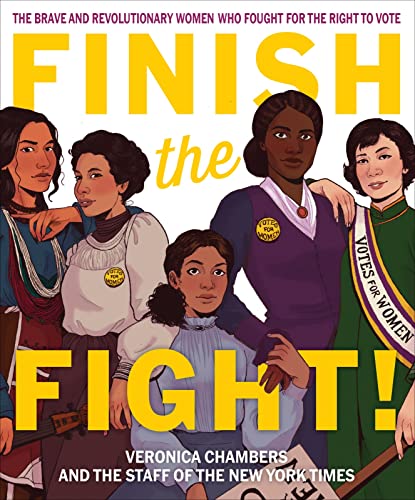
This book highlights the diverse group of women who fought for suffrage, expanding on the historical figures often mentioned in civics textbooks. It shares the same inspiring and empowering tone found in Foster's guide to government.
by Cynthia Levinson and Sanford Levinson
This book takes a critical and analytical look at how the Constitution works (and sometimes doesn't work) in the modern day. It encourages the same kind of thoughtful questioning and civic curiosity as For Which We Stand.

Focusing on the intersection of race and gender in the fight for voting rights, this book provides a necessary and detailed historical layer to the general civics overview provided by Foster. It is both educational and deeply resilient in tone.
For readers who appreciated the clear, visual-heavy layout of For Which We Stand, this guide uses infographics to explain the branches of government, the electoral college, and more. It is a perfect companion for visual learners interested in politics.
This book tracks the long and often difficult history of the right to vote in America. It echoes Foster's emphasis on the importance of the ballot and the historical struggles that make modern civic participation so vital.

Not sure what they've already read?
Let them pick their next favorite with an Amazon Gift Card.
As an Amazon Associate, we earn from qualifying purchases.
As an Amazon Associate, we earn from qualifying purchases.