
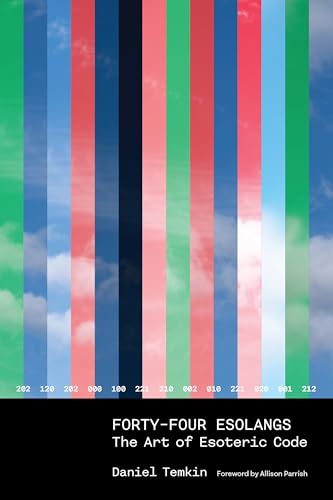
Based on your book
Forty-Four Esolangs
by Temkin, Daniel
Daniel Temkin invites you into the bizarre, beautiful, and fundamentally useless world of esoteric programming languages. These are not tools for building software or solving real-world problems; they are experiments in logic, art, and absurdity, designed to see what happens when you force a computer to speak in metaphors, musical notation, or visual patterns. As you move through these forty-four languages, the book shifts from a technical catalog to a philosophical meditation on how we communicate with machines. The experience is like wandering through a gallery of conceptual art where the medium is the instruction set. It is perfect for the reader who finds joy in the fringes of digital culture, those who appreciate the intersection of high-level computer science and pure, unadulterated playfulness. If you care more about how language shapes thought than about writing efficient code, this belongs on your shelf.
10 Books similar to 'Forty-Four Esolangs'
Since you enjoyed the intellectual playfulness and unconventional logic of this collection, our curated list leans into the broader culture of hackers, mathematicians, and systems thinkers. We chose these titles because they share that same obsession with the hidden architecture of our world, whether that is the philosophy of logic in Hofstadter or the raw, early-days experimentation found in Hafner. These books aren't just about computers; they are about the human drive to build, break, and reinvent systems. They capture that specific, outsider curiosity that makes the world of esoteric coding so incredibly compelling.
As an Amazon Associate, we earn from qualifying purchases.
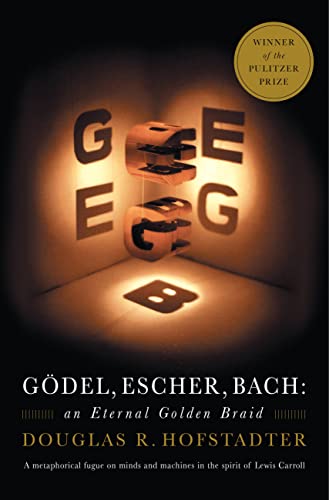
Like Temkin's exploration of esoteric languages, this masterpiece dives into the recursive, self-referential nature of systems, logic, and creativity. It shares the same playful yet deeply intellectual spirit, challenging readers to see the intersection of art, mathematics, and computer science.

This book provides a sociological look at the people who write code, mirroring Temkin's interest in the subculture and mindset behind programming. It captures the same curiosity about how technical constraints shape human thought and expression.

by Tracy Kidder
This classic chronicles the intense, obsessive, and often irrational process of building a new computer system, echoing the 'hacker' ethos found in the creation of esoteric languages. It captures the same blend of technical fascination and human eccentricity.

by Steven Levy
Levy documents the originators of the hacker ethic, a culture that deeply informs the spirit of esolang design. Fans of Temkin will appreciate the history of how playful, subversive tinkering changed the trajectory of technology.

Not sure what they've already read?
Let them pick their next favorite with an Amazon Gift Card.
As an Amazon Associate, we earn from qualifying purchases.

by James Gleick
Gleick explores how information has been encoded and transmitted throughout history, providing a philosophical foundation that complements the study of esoteric languages. It is an essential read for anyone fascinated by the limits and possibilities of symbolic systems.

Rushkoff argues for a deeper understanding of the code that shapes our reality, a sentiment that aligns perfectly with the subversive, 'code-as-art' nature of esolangs. It offers a critical, thought-provoking perspective on the tools we use to build our world.

This novel weaves together computer history, cryptography, and the obsessive nature of coding in a way that feels deeply resonant with the world of esolangs. It is a sprawling, intellectual adventure that celebrates the complexity of logic and language.

Stoll's true story of tracking a hacker through a computer network is a gripping, witty, and highly technical narrative that captures the 'detective' side of computing. Fans of Temkin will enjoy the intersection of high-stakes investigation and deep technical knowledge.

by G.H. Hardy
Hardy's classic essay on the beauty and aesthetics of mathematics mirrors the way esolang creators view code as a medium for artistic expression rather than mere utility. It is a concise, reflective, and deeply personal look at the nature of intellectual pursuit.

by Katie Hafner
This history of the ARPANET provides a fascinating look at the early, experimental days of networking, where the rules were still being written. It captures the same spirit of innovation and 'what if' experimentation found in the world of esoteric languages.

Prefer to listen?
Try Audible and hear the story instead of reading it.
As an Amazon Associate, we earn from qualifying purchases.
As an Amazon Associate, we earn from qualifying purchases.