

Based on your book
Framers
by Kenneth Cukier
Framers by Kenneth Cukier invites you to look closely at how your mind works, specifically the 'frames' or mental models we use to make sense of everything around us. It's a deeply informative and thought-provoking exploration of human cognition, arguing that our ability to adapt and reframe situations is the most crucial skill for navigating a complex world. Cukier pulls back the curtain on the behind-the-scenes mental architecture we rarely examine, showing how different frames shape our understanding, our decisions, and even our societal structures. The reading experience is intellectually stimulating, moving at a steady, analytical pace that encourages reflection rather than rush. This book is for readers who enjoy philosophical insights into self-improvement, those interested in cultural analysis, and anyone keen to sharpen their critical thinking skills and understand the subtle power dynamics at play in how we perceive reality.
10 Books similar to 'Framers'
If Kenneth Cukier's Framers sparked your curiosity about the mental models that shape our world, you'll find plenty more to chew on in these selections. We've gathered books that continue the conversation around cognitive flexibility, the power of reframing problems, and the art of better decision-making. Each recommendation delves into the intellectual challenge of understanding human thought, offering further insights into self-improvement and a deeper cultural analysis of how we interpret information. They all share Framers' analytical yet accessible approach to sharpening your mind and seeing the world with fresh eyes.
As an Amazon Associate, we earn from qualifying purchases.

Like Framers, this book explores how mental models and diverse perspectives lead to better decision-making and innovation. It challenges the idea of narrow specialization, advocating for the same kind of cognitive flexibility and 'frame' shifting that Cukier emphasizes.

This foundational text on cognitive biases provides the psychological groundwork for why framing is necessary. It explores the dual-system mind, offering a deep dive into the mechanics of human thought that complements Cukier's focus on mental models.

by Philip E. Tetlock and Dan Gardner
This book focuses on the practical application of mental models to predict future events. It shares the same optimistic yet rigorous approach to human cognition and the ability to improve our decision-making through better framing.

Page provides a toolkit for using various models to understand social and economic complexity. It is the perfect companion to Framers for readers who want a more technical and structured approach to the concepts of mental framing.

Not sure what they've already read?
Let them pick their next favorite with an Amazon Gift Card.
As an Amazon Associate, we earn from qualifying purchases.

by Viktor Mayer-Schönberger and Kenneth Cukier
Co-authored by one of the writers of Framers, this book explores the data-driven world that makes effective framing so essential. It shares the same accessible writing style and forward-thinking perspective on technology and society.

by Rolf Dobelli
This book offers a series of short, punchy insights into cognitive errors and how to avoid them. It mirrors the practical, solution-oriented vibe of Framers while focusing on the pitfalls of poor mental framing.

by Brian Christian and Tom Griffiths
This book bridges the gap between computer science and daily life, much like how Framers bridges AI and human cognition. It explores how structured thinking and algorithmic 'frames' can solve human problems.
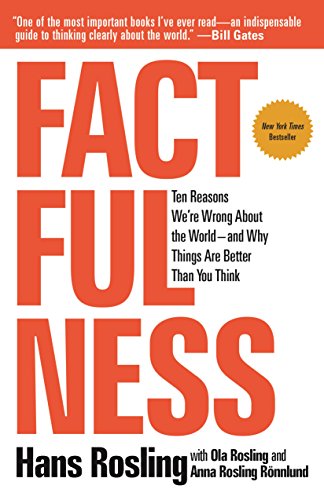
by Hans Rosling
Rosling provides a new 'frame' for viewing global progress, arguing that our instincts often mislead us. It shares the hopeful, data-driven, and perspective-shifting tone that makes Framers so compelling.

by Nate Silver
Silver examines why some predictions succeed while others fail, focusing on the importance of distinguishing essential information from distractions. It aligns with the Framers' theme of using the right mental constructs to interpret reality.

by Matthew Syed
Syed explores how different industries 'frame' failure and success to drive innovation. It echoes Cukier's arguments about the necessity of cognitive diversity and the ability to reframe mistakes as learning opportunities.

Prefer to listen?
Try Audible and hear the story instead of reading it.
As an Amazon Associate, we earn from qualifying purchases.
As an Amazon Associate, we earn from qualifying purchases.