

Based on your book
Freakonomics
by Levitt, Steven D.
Freakonomics turns the lens of economics away from Wall Street and toward the bizarre, often hidden incentives that drive human behavior. Steven Levitt approaches everything from schoolteachers and sumo wrestlers to real estate agents and drug dealers with a cold, analytical curiosity. The book strips away common assumptions to reveal the mechanics of why people do what they do, often uncovering uncomfortable truths in the process. Reading it feels like sitting down with a brilliant, slightly contrarian friend who insists on deconstructing every conversation you have. The pacing is crisp and conversational, built on a series of case studies that move quickly from one brain-bending question to the next. This is for the reader who enjoys looking behind the curtain of social norms and prefers data-driven puzzles over traditional self-help advice.
10 Books similar to 'Freakonomics'
If the analytical itch triggered by Levitt’s work leaves you wanting more, our curated list focuses on authors who similarly dismantle the illusion of human rationality. We selected these titles because they excel at identifying the subtle choice architecture and cognitive biases that dictate our daily lives. Whether you are interested in the sociology of success or the hidden economic forces governing everyday transactions, these books share that signature observational grit. They move beyond theory to reveal the often counter-intuitive patterns that define our modern experience, making them perfect companions for your next intellectual deep dive.
As an Amazon Associate, we earn from qualifying purchases.
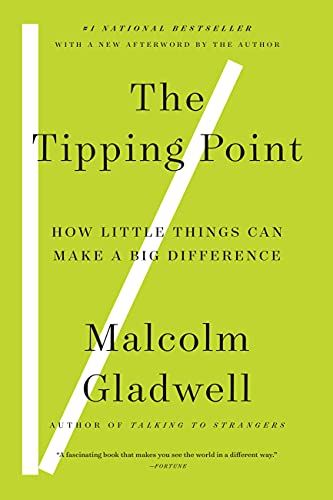
Like Freakonomics, this book explores the hidden, counter-intuitive forces that shape our world and influence human behavior. Gladwell shares Levitt's talent for taking complex sociological data and weaving it into a compelling, accessible narrative.

by Richard H. Thaler and Cass R. Sunstein
This book dives into the behavioral economics behind why we make the choices we do, mirroring the analytical curiosity found in Freakonomics. It offers a practical look at how small changes in 'choice architecture' can influence massive societal outcomes.
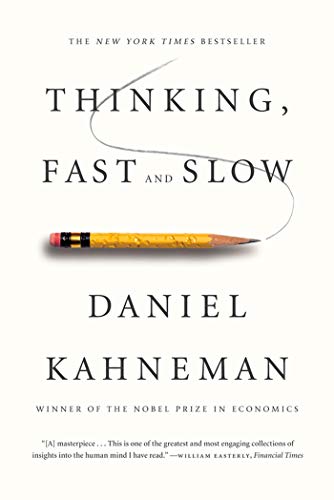
This is the foundational text for many of the behavioral concepts touched upon in Freakonomics, explaining the two systems that drive our thinking. Readers who enjoyed Levitt's deconstruction of human incentives will find this deep dive into cognitive bias fascinating.

by Dan Ariely
Ariely challenges the assumption that humans act rationally, using experiments to reveal the systematic errors we make in our daily lives. It shares the same 'aha!' moment style of storytelling that made Freakonomics a bestseller.

Love to read on the go?
Explore Kindle e-readers and take your books with you.
As an Amazon Associate, we earn from qualifying purchases.

by Tim Harford
Harford applies economic principles to everyday life situations—like why coffee costs what it does—in a way that feels like a spiritual successor to Levitt's work. It is an engaging, witty exploration of the hidden economic mechanisms governing our world.

by Steven D. Levitt and Stephen J. Dubner
As the direct sequel, it continues the exact same methodology, wit, and investigative rigor that fans of the original loved. It tackles even more provocative topics with the same data-driven, unconventional lens.

Gladwell examines the specific, often hidden factors that contribute to high levels of success, challenging the 'self-made' myth. Its structure and tone will feel very familiar to those who enjoyed the case-study approach of Freakonomics.

This book provides a historical and personal look at the evolution of behavioral economics, blending memoir with academic insight. It captures the same rebellious, 'question everything' spirit that defines the Freakonomics brand.

Gilbert explores the science behind why we are so bad at predicting what will make us happy in the future. Like Freakonomics, it uses data and psychology to debunk common misconceptions about human nature.

by Susan Cain
Cain uses research and data to challenge societal biases against introversion, much like Levitt challenges biases about crime or parenting. It is a deeply researched, paradigm-shifting book that changes how you view social dynamics.

Not sure what they've already read?
Let them pick their next favorite with an Amazon Gift Card.
As an Amazon Associate, we earn from qualifying purchases.
As an Amazon Associate, we earn from qualifying purchases.