

Based on your book
Friendaholic
by Elizabeth Day
Elizabeth Day turns her analytical gaze toward the often overlooked complexities of platonic love in this thoughtful exploration of why we collect friends and what we are actually searching for when we do. Friendaholic is part memoir and part cultural audit, tracing the authors own evolution from a people-pleaser who defined her worth by the size of her social circle to someone who understands the value of intentional, quiet connection. The writing feels like a long, honest conversation with a friend who has done the hard work of untangling their own insecurities. It is less of a guide on how to make friends and more of an invitation to examine why you crave them. This is for the reader who often finds themselves exhausted by their own social calendar or wondering why their connections sometimes feel performative rather than fulfilling.
10 Books similar to 'Friendaholic'
If you finished this book and felt like you had just begun to scratch the surface of your own relational habits, these titles are the perfect next steps. We selected these works because they mirror Day's ability to blend personal vulnerability with broader sociological inquiry. Whether you are interested in the science of attachment, the chaotic reality of navigating adulthood, or simply want to better understand the mechanics of intimacy, this collection focuses on the same themes of self-acceptance and the essential, sometimes difficult, labor of maintaining meaningful human connections.
As an Amazon Associate, we earn from qualifying purchases.

by Aminatou Sow and Ann Friedman
Like 'Friendaholic,' this book deeply explores the mechanics of adult friendship, moving beyond superficial connections to examine the hard work required to sustain long-term bonds. It shares a similar blend of personal memoir and cultural analysis, making it an essential read for anyone interested in the sociology of platonic love.

by Lane Moore
Lane Moore offers a raw, humorous, and deeply relatable look at loneliness and the struggle to form meaningful connections, echoing Elizabeth Day's own vulnerable exploration of why we seek validation through others. It captures that same witty, confessional tone while tackling the heavy emotional labor of self-acceptance.
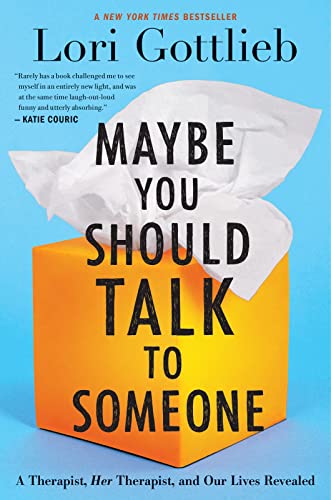
This book provides a fascinating, behind-the-scenes look at the human condition and our need for connection, mirroring the analytical yet deeply empathetic approach found in Day's work. It validates the reader's own experiences with relationships and self-perception through a blend of professional insight and personal narrative.

by Kate Leaver
This is a comprehensive exploration of the importance of friendship in our lives, written with a similar journalistic curiosity to 'Friendaholic.' Readers who enjoyed Day's investigation into the 'why' and 'how' of modern friendship will appreciate this thoughtful, research-backed examination of platonic bonds.

Love to read on the go?
Explore Kindle e-readers and take your books with you.
As an Amazon Associate, we earn from qualifying purchases.
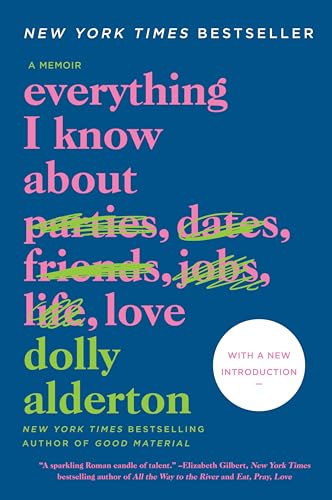
Sharing a similar British, witty, and observational voice, Alderton's memoir captures the chaotic, messy, and beautiful transition into adulthood. Much like 'Friendaholic,' it centers on the central importance of female friendship as the primary anchor through life's various ups and downs.

While this is a novel, it perfectly captures the specific anxiety and performative nature of modern social lives that Elizabeth Day dissects in her non-fiction. It explores the friction between our digital personas and our real-life relationships with a sharp, satirical edge.

by Amir Levine and Rachel Heller
For readers who enjoyed the psychological underpinnings of 'Friendaholic,' this book offers a clear framework for understanding why we relate to others the way we do. It provides the 'why' behind the people-pleasing and friendship-seeking behaviors that Day discusses in her own life.

by Natasha Lunn
This book features interviews and essays that deconstruct the different types of love, including friendship, which aligns perfectly with the thematic scope of 'Friendaholic.' It offers a similarly gentle, inquisitive approach to understanding how we connect with others and why those connections matter.

Written by the same author, this book serves as a perfect companion piece to 'Friendaholic' by focusing on the transformative power of failure. It carries the same warm, encouraging narrative voice and helps readers reframe their insecurities—a key theme in Day's entire body of work.

by Susan Cain
Readers who felt seen by Day's discussion of social exhaustion and the pressure to be 'on' will find deep resonance in this exploration of introversion. It provides a validating look at how social energy works and why it is okay to step back from the constant demand for external validation.

Not sure what they've already read?
Let them pick their next favorite with an Amazon Gift Card.
As an Amazon Associate, we earn from qualifying purchases.
As an Amazon Associate, we earn from qualifying purchases.