

Based on your book
Friendship Skills for Neurodivergent Adults
by Caroline Maguire
Caroline Maguire's "Friendship Skills for Neurodivergent Adults" offers a compassionate, clear-eyed look at why social connections can feel like a labyrinth for many neurodivergent individuals. This isn't a book about what you're doing "wrong"; instead, it provides a thoughtful, analytical breakdown of how friendship works, acknowledging the brain-based differences that can make typical social cues feel unintuitive. The reading experience is like sitting down with a supportive expert who genuinely understands the unique challenges. It’s empowering and hopeful, laying out practical strategies, scripts, and tips in a structured way that feels approachable rather than overwhelming. If you've ever felt like an outsider in social situations, or wished for a clearer path to finding your people, this book offers a refreshing blend of reflection and actionable self-improvement, helping you build truly fulfilling relationships.
10 Books similar to 'Friendship Skills for Neurodivergent Adults'
If you appreciated Caroline Maguire's thoughtful insights into building authentic connections, you'll find kindred spirits in these recommendations. We've curated this list for readers eager to further explore the nuances of neurodivergent experiences and personal growth. Whether you're seeking deeper understanding of different ways of thinking, practical strategies for navigating social landscapes, or powerful affirmations for embracing your authentic self, these books offer a blend of reflective analysis and empowering advice to help you thrive and find your community.
As an Amazon Associate, we earn from qualifying purchases.

by Devon Price
This book delves into the concept of 'masking' in autistic individuals, offering profound insights into self-acceptance and authentic social interaction. Readers of 'Friendship Skills' will appreciate its empathetic approach to understanding neurodivergent experiences and fostering genuine connections by being oneself.

Nerenberg explores various forms of neurodivergence, empowering readers to understand and embrace their unique cognitive styles. It offers a broader context for the social challenges discussed in 'Friendship Skills,' promoting self-advocacy and a more inclusive approach to building relationships.
While not exclusively for neurodivergent individuals, this book provides structured, actionable advice on improving social interactions, a core theme of 'Friendship Skills.' Its practical exercises and clear guidance on conversation, shyness, and making friends will resonate with anyone seeking to enhance their social competence.

by Susan Cain
Cain's groundbreaking work validates the experiences of introverts, many of whom share social challenges with neurodivergent individuals, focusing on their unique strengths. Fans of 'Friendship Skills' will find solace and empowerment in understanding different social styles and learning to thrive authentically in a world that often prioritizes extroversion.

Prefer to listen?
Try Audible and hear the story instead of reading it.
As an Amazon Associate, we earn from qualifying purchases.
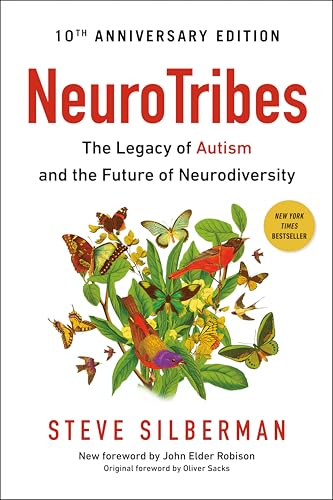
This historical deep dive into autism and neurodiversity provides essential context for understanding the neurodivergent experience, which is foundational for navigating social dynamics. Readers of 'Friendship Skills' will gain a richer appreciation for the history and evolution of neurodiversity, fostering greater self-understanding and empathy.

Written by a prominent autistic individual, this book offers unique insights into the autistic brain and practical strategies for success, including in social and professional settings. Readers seeking to understand the neurodivergent mind more deeply and apply that understanding to improve their own lives and relationships will find it invaluable.

This book is a direct, practical guide for adults with Asperger's Syndrome, offering strategies for navigating various life challenges, including social interactions and relationships. Its focus on self-understanding and actionable advice makes it a perfect companion for those who appreciate the direct, supportive approach of 'Friendship Skills.'

While not strictly about neurodiversity, this book addresses the trait of high sensitivity, which often overlaps with neurodivergent experiences, particularly in social and sensory processing. Readers of 'Friendship Skills' will benefit from understanding how sensitivity impacts social interactions and learning strategies for managing overwhelm to build more fulfilling connections.

This memoir offers a profound first-person account of living with autism, providing invaluable insight into different ways of thinking and perceiving the world. For readers of 'Friendship Skills,' it offers a deeper empathetic understanding of neurodivergent experiences, which is crucial for self-acceptance and navigating social connections authentically.

by Eric Garcia
Garcia challenges prevailing narratives about autism, advocating for acceptance and understanding of neurodivergent individuals as whole people, not problems to be fixed. This empowering perspective complements 'Friendship Skills' by fostering self-acceptance and providing a framework for neurodivergent individuals to advocate for their needs in social contexts.

Love to read on the go?
Explore Kindle e-readers and take your books with you.
As an Amazon Associate, we earn from qualifying purchases.
As an Amazon Associate, we earn from qualifying purchases.