

Based on your book
Fuckup Almanac Volume 2
by Korga, Adam
Adam Korga returns with a follow-up that feels like sitting in a dive bar with the most cynical, observant person you know. Volume 2 of the Fuckup Almanac is not a self-help manual; it is a collection of dispatches from the front lines of personal disaster and existential misalignment. Korga dissects the quiet humiliations of modern life with a surgical, often hilarious wit that cuts through the noise of curated social media perfection. The pacing is fragmented and punchy, mirroring the erratic nature of the thoughts we usually keep to ourselves at 3:00 a.m. This is for the reader who is tired of toxic positivity and finds comfort in the raw, messy truth of being human. If you appreciate writing that balances intellectual rigor with a deep, unvarnished look at the absurdity of our daily failures, this belongs on your nightstand.
10 Books similar to 'Fuckup Almanac Volume 2'
When selecting books to pair with Korga’s work, I looked for authors who treat failure not as a mistake, but as a defining feature of the human condition. Whether it is the gritty, working-class realism of Bukowski or the clinical, sharp-edged observations of Didion, these titles share an unapologetic commitment to truth-telling. If the Almanac left you hungry for more, these recommendations mirror its spirit of rebellion, social critique, and the refusal to sugarcoat the messy, existential realities that define our lives.
As an Amazon Associate, we earn from qualifying purchases.
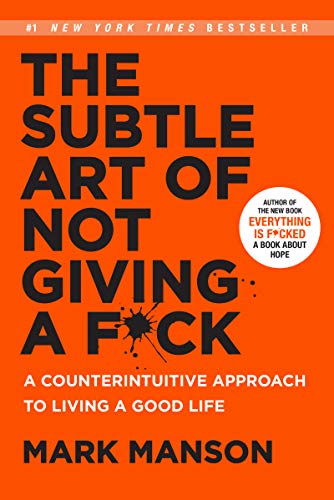
by Mark Manson
Much like the raw, unfiltered approach of the Almanac, this book challenges conventional self-help wisdom with a cynical, humorous, and deeply pragmatic perspective on life's inevitable failures. Readers will appreciate the similar 'no-nonsense' voice that finds value in embracing the messy parts of existence.

This classic serves as the literary ancestor to the modern 'fuckup' narrative, featuring a narrator who revels in his own dysfunction and social alienation. Fans of Korga's observational, often bleak, and deeply psychological writing will find a kindred spirit in the Underground Man's bitter reflections.

Bukowski is the master of chronicling the mundane failures of the working class with a gritty, humorous, and unapologetic tone. The narrative style mirrors the Almanac's willingness to lean into the absurdity of life's daily grind and personal catastrophes.

This collection of essays reframes failure as a necessary catalyst for growth, much like the thematic core of the Almanac. It balances personal anecdotes with broader cultural observations, providing a comforting yet intellectual look at why things go wrong.

Not sure what they've already read?
Let them pick their next favorite with an Amazon Gift Card.
As an Amazon Associate, we earn from qualifying purchases.

by Joan Didion
Didion’s essays capture the fractured, chaotic energy of a society in transition, echoing the Almanac's observational intensity. Her precise, cool, and often melancholic prose style provides a sophisticated lens through which to view personal and societal 'fuckups.'

Bourdain’s memoir is a masterclass in the 'fuckup' lifestyle, documenting a life of chaos, addiction, and eventual redemption with humor and grit. Readers of Korga will recognize the same rebellious spirit and the tendency to find beauty in the unconventional and the messy.

For those who enjoy the Almanac's chaotic, drug-fueled, and deeply cynical view of reality, Thompson's gonzo journalism is the ultimate companion. It pushes the boundaries of narrative structure while maintaining a sharp, satirical edge on the American experience.

by Judd Apatow
This book explores how comedians turn their personal trauma and failures into art, a theme that resonates deeply with the Almanac's mission. It offers a fascinating, behind-the-scenes look at the creative process of people who make a living out of being 'fuckups.'

by Joan Didion
While heavier in tone, this book explores the profound 'fuckup' of life—grief—with a clinical, analytical, and deeply honest voice. It will appeal to readers who appreciate the Almanac's willingness to confront uncomfortable truths without sugarcoating them.

This novel captures the nihilistic, detached, and often disastrous lives of youth in a way that mirrors the darker, more cynical entries of the Almanac. Its minimalist style and focus on the consequences of poor choices make it a compelling read for fans of gritty, modern realism.

Prefer to listen?
Try Audible and hear the story instead of reading it.
As an Amazon Associate, we earn from qualifying purchases.
As an Amazon Associate, we earn from qualifying purchases.