

Based on your book
Future babble
by Dan Gardner
Dan Gardner's "Future babble" takes a hard, clear look at why so many expert predictions fall flat, yet we keep listening to them. It's not about shaming forecasters, but rather a sharp, thoughtful examination of the human tendency to seek certainty and the cognitive pitfalls that make us believe in the improbable. Reading this feels like a fascinating unraveling, pulling back the curtain on the psychology of prediction and the cultural forces that make us crave a glimpse into tomorrow, even when the crystal ball is cloudy. Gardner writes with a direct, engaging clarity that makes complex ideas accessible. You'll finish it with a healthier skepticism about pronouncements from pundits and a deeper appreciation for the messy, unpredictable nature of the world. This book is for anyone who enjoys rigorous social commentary, wants to sharpen their critical thinking, and loves understanding the hidden psychological gears behind our collective beliefs.
10 Books similar to 'Future babble'
If Future babble resonated with your desire to understand why we're so bad at predicting the future, you'll find plenty more to chew on in these selections. We've gathered books that, like Gardner's work, rigorously examine our cognitive biases and the often-flawed ways we make sense of an unpredictable world. Whether dissecting the psychology of judgment, challenging the very idea of predictable events, or exploring how we can actually improve our forecasts, these titles continue the conversation about human rationality, certainty, and the fascinating complexities of social and individual decision-making. They all share that same insightful, analytical spirit.
As an Amazon Associate, we earn from qualifying purchases.
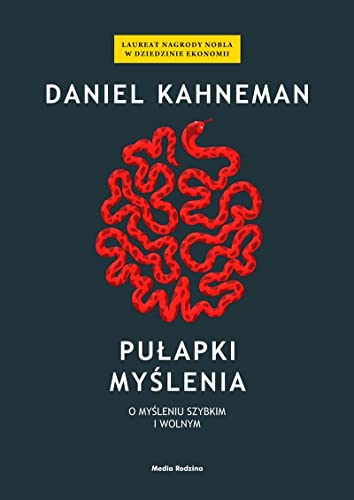
This seminal work delves into the two systems that drive our thinking, exposing the cognitive biases and heuristics that often lead to flawed judgments and predictions, much like "Future babble" critiques expert forecasting. Readers will appreciate the deep dive into the psychological underpinnings of why we believe what we believe.

by Richard H. Thaler and Cass R. Sunstein
Building on behavioral economics, this book explores how subtle interventions can guide human decision-making, offering a practical application of the insights into cognitive biases that "Future babble" critiques. It provides a fascinating look at how our choices are influenced, often without our conscious awareness.

Taleb's work directly challenges the human tendency to predict and rationalize rare, high-impact events, echoing "Future babble"'s skepticism about expert forecasting and the illusion of certainty. It offers a powerful argument against relying on predictable models in an inherently unpredictable world.

by Philip Tetlock and Dan Gardner
Co-authored by Dan Gardner himself, this book is a natural progression from "Future babble," investigating what makes some forecasters remarkably accurate and offering practical lessons in improving prediction. It provides a hopeful counterpoint while still being grounded in rigorous analysis.

Not sure what they've already read?
Let them pick their next favorite with an Amazon Gift Card.
As an Amazon Associate, we earn from qualifying purchases.
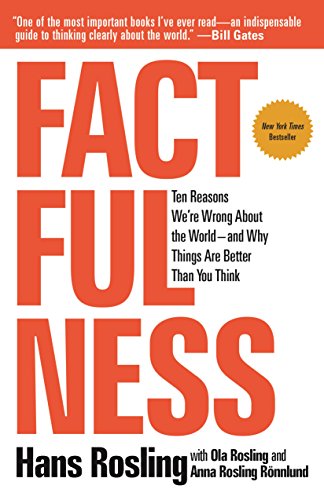
by Hans Rosling
Rosling's book tackles widespread ignorance about global trends, using data to challenge common misconceptions and biases that distort our worldview, much like "Future babble" debunks flawed predictions. It encourages a fact-based, nuanced understanding of the world.

While broader in scope, "Sapiens" shares "Future babble"'s intellectual curiosity and critical lens, examining the grand narratives and shared fictions that have shaped human history and our understanding of the world. It encourages readers to question deeply held beliefs about progress and prediction.

This book explores the profound role of luck and randomness in life, challenging the human tendency to attribute success and failure solely to skill, a theme that resonates with "Future babble"'s critique of overconfidence in predictions. It's a powerful argument for humility in the face of uncertainty.

by Nate Silver
Nate Silver, a renowned statistician, delves into the art and science of prediction across various fields, emphasizing the importance of probabilistic thinking and acknowledging uncertainty, aligning perfectly with "Future babble"'s examination of forecasting limitations. It offers a sophisticated yet accessible look at how to make sense of data.

by Dan Ariely
Ariely's engaging book reveals the systematic and often surprising ways in which humans deviate from rational decision-making, offering a compelling complement to "Future babble"'s exploration of cognitive biases and the pitfalls of human judgment. It shows how our irrationality is often predictable.

Diamond's Pulitzer-winning work offers a sweeping, analytical explanation for patterns of human history, challenging simplistic narratives and demonstrating how complex factors shape societal development, echoing "Future babble"'s rigorous, evidence-based approach to understanding complex phenomena. It's a masterclass in critical historical analysis.

Prefer to listen?
Try Audible and hear the story instead of reading it.
As an Amazon Associate, we earn from qualifying purchases.
As an Amazon Associate, we earn from qualifying purchases.