

Based on your book
Future Cities
by Gatland, Kenneth William
Kenneth William Gatland takes a measured, analytical look at the mid-century obsession with how our urban spaces would evolve under the pressure of rapid technological change. Rather than simple science fiction, this is a sober examination of how architects and planners envisioned the vertical expansion of humanity. The writing is clinical and observational, capturing a specific moment in history when the future felt like a tangible engineering challenge rather than a distant dream. It is a dense, intellectual experience that rewards those who enjoy tracing the lineage of modern urban planning back to its source. If you are interested in the intersection of social engineering and architectural design, or if you find yourself fascinated by the gap between 20th-century utopian projections and the messy reality of the modern city, this book provides a vital piece of the puzzle.
10 Books similar to 'Future Cities'
Since you enjoyed the blend of speculative design and social commentary in Future Cities, these selections were curated to deepen your understanding of the built environment. We chose these titles because they mirror Gatland's interest in the tension between utopian planning and human experience. Whether you want to explore the historical foundations of urban development with Lewis Mumford or examine the darker sociological warnings of Aldous Huxley, these books expand on the structural and ideological themes Gatland introduces. Each one offers a different lens on how our physical surroundings dictate the way we live.
As an Amazon Associate, we earn from qualifying purchases.
Like Gatland's work, this book explores the mid-20th-century fascination with futuristic urban planning and the architectural dreams of the 1939 New York World's Fair. It captures the same optimistic, visionary spirit of how designers once imagined our modern cities would evolve.

by Peter Hall
This is a seminal text on urban planning history that mirrors Gatland's interest in the evolution of city design. It provides a comprehensive, analytical look at the ideas and ideologies that have shaped the physical structures of our urban environments.

by Kevin Lynch
Fans of the structural focus in 'Future Cities' will appreciate Lynch's exploration of how people perceive and navigate urban spaces. It offers a fascinating, analytical perspective on the mental maps we create of our built environments.

by Thomas More
As the foundational text for speculative city planning and societal structure, this book shares the thematic DNA of Gatland's work. It explores the philosophical underpinnings of creating an ideal, perfectly ordered urban society.

Love to read on the go?
Explore Kindle e-readers and take your books with you.
As an Amazon Associate, we earn from qualifying purchases.

by Jane Jacobs
While it serves as a critique rather than a utopian vision, this book is essential for anyone interested in the mechanics of city life. It provides a grounded, observant counterpoint to the high-concept technological futurism found in Gatland's writing.
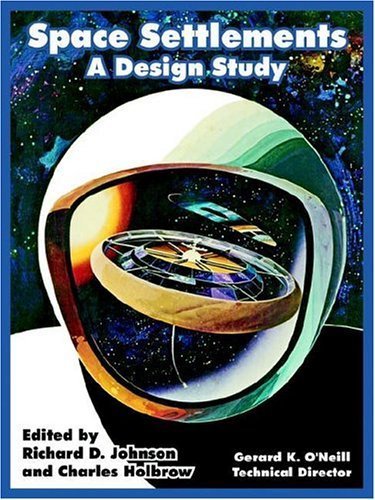
This NASA-published study from the 1970s perfectly aligns with the era and subject matter of Gatland's 'Future Cities.' It details the technical and social logistics of living in space, offering the same blend of hard science and speculative urban design.

This book continues the conversation Gatland started regarding the necessity and design of high-density living. It explores the technological and architectural challenges of building upward, bridging the gap between historical visions and modern reality.

For readers who enjoyed the speculative urban planning aspects of Gatland's work but want to see the darker, sociological implications, this classic is a must-read. It examines a highly engineered, futuristic society where the environment dictates human behavior.

Mumford provides a sweeping, scholarly look at the development of cities from ancient times to the modern era. It offers the historical context and intellectual depth that fans of Gatland's broader urban theories will find deeply satisfying.
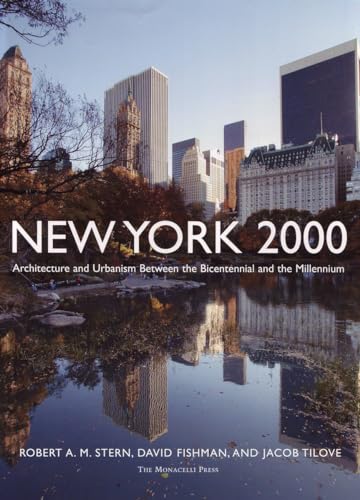
This volume documents the architectural and urban evolution of a major metropolis, reflecting the same interest in structural design and future-proofing found in 'Future Cities.' It is a visual and intellectual journey through the changing face of urban space.

Not sure what they've already read?
Let them pick their next favorite with an Amazon Gift Card.
As an Amazon Associate, we earn from qualifying purchases.
As an Amazon Associate, we earn from qualifying purchases.