

Based on your book
Game Feel
by Swink, Steve
Game Feel operates on the premise that the most satisfying moments in gaming are rarely accidental. Steve Swink dissects the invisible threads of control, responsiveness, and sensory feedback that turn simple controller inputs into a seamless dialogue between player and software. This is not a surface-level guide to coding; it is a granular, high-level analysis of how virtual movement and interaction can be tuned to feel tactile and intentional. The reading experience is methodical and deeply observant, stripping away the magic of great games to reveal the deliberate engineering beneath. If you find yourself analyzing the weight of a character's jump or the specific snap of a menu animation, this book provides the vocabulary to articulate why those details matter. It is essential reading for designers, developers, and hyper-observant players who want to understand the mechanics of immersion.
10 Books similar to 'Game Feel'
Since you appreciate the analytical rigor of Game Feel, these titles were curated to deepen your grasp of interactive systems. We chose these books because they move beyond basic mechanics to address the psychology of play and the engineering of human experience. Whether you are interested in the scholarly framework of Rules of Play, the psychological state of Flow, or the practical design hurdles in Challenges for Game Designers, these selections share a common commitment to deconstructing why we find certain digital experiences so compelling and intuitive.
As an Amazon Associate, we earn from qualifying purchases.
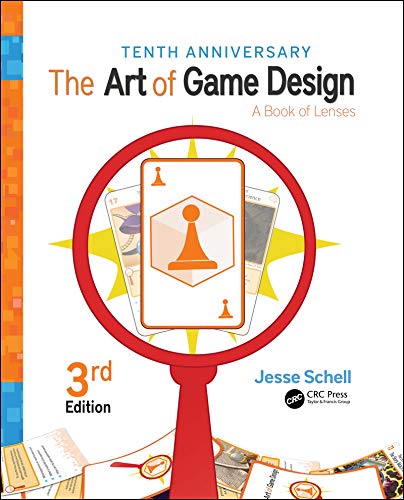
by Jesse Schell
Like Swink's work, this book is essential for understanding the underlying mechanics of player experience, offering a comprehensive framework for thinking about game design as both an art and a science. It encourages the same analytical, deep-dive approach into why games feel the way they do.
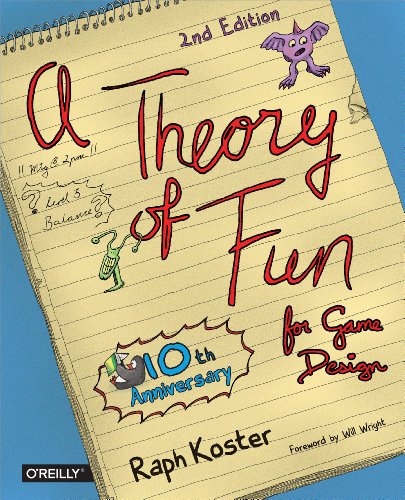
by Raph Koster
This book explores the psychological roots of why we find games engaging, mirroring Swink's focus on the sensory and cognitive feedback loops of play. It is a foundational text for anyone interested in the 'why' behind the 'feel' of game mechanics.

Sylvester bridges the gap between technical implementation and player emotion, much like Swink does with 'game feel.' It provides practical insights into how specific design choices directly influence the player's visceral reaction to the game world.

by George Skaff Elias, Richard Garfield, and K. Robert Gutschera
This book provides a rigorous, systematic breakdown of game components, appealing to the same analytical mindset required to deconstruct 'game feel.' It offers a scholarly yet accessible look at the mechanics that define playability.

Prefer to listen?
Try Audible and hear the story instead of reading it.
As an Amazon Associate, we earn from qualifying purchases.

by Scott Rogers
While more broad in scope than Swink's specific focus, Rogers' book covers the nuts and bolts of how games are built and how they should function to be enjoyable. It shares the same passion for the craft of game creation and the importance of player feedback.
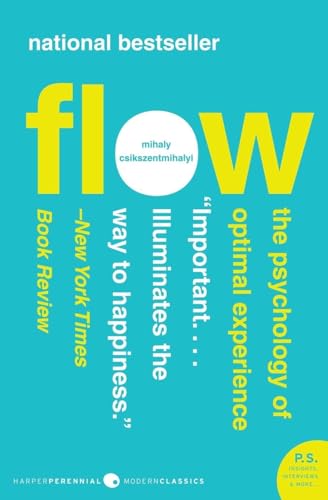
This foundational psychology text is the bedrock upon which much of 'game feel' theory is built, explaining the state of immersion that game designers strive to create. Readers who enjoyed Swink's exploration of sensory feedback will find the source material here fascinating.

by Brenda Brathwaite and Ian Schreiber
This book acts as a practical companion to theoretical texts, offering exercises that force the reader to consider the mechanics of play in real-time. It resonates with Swink's hands-on approach to deconstructing how games function.

by Katie Salen Tekinbas and Eric Zimmerman
As a seminal textbook on game design, this work provides the vocabulary and framework necessary to understand the 'feel' of games, much like Swink does. It is an essential read for anyone who wants to move beyond playing games to deeply understanding their structure.

by Don Norman
Though not strictly about video games, this book is arguably the most important text on how objects (and digital interfaces) communicate their function to users. Fans of 'Game Feel' will recognize the same principles of feedback, affordance, and responsiveness applied to the physical world.

Fullerton's approach emphasizes the 'playcentric' nature of design, focusing on the iterative process that Swink champions. It provides a structured methodology for ensuring that a game's mechanics—and its feel—are consistently refined.

Love to read on the go?
Explore Kindle e-readers and take your books with you.
As an Amazon Associate, we earn from qualifying purchases.
As an Amazon Associate, we earn from qualifying purchases.