

Based on your book
Genghis Khan and the Making of the Modern World
by Weatherford, Jack
Jack Weatherford dismantles the tired trope of the Mongol horde as mere bloodthirsty barbarians. Instead, he presents Genghis Khan as a sophisticated architect of international law, religious freedom, and global trade networks. The book moves with the relentless momentum of a conquest, yet it remains firmly rooted in intellectual curiosity, analyzing how Mongol administration laid the groundwork for the modern globalized economy. You will feel as though you are looking at a cracked lens of history being put back together to reveal a much clearer, more complex picture. This is for the reader who enjoys challenging their own historical biases and wants a narrative that balances large-scale geopolitical strategy with the surprising humanity of the people who enacted it. It is a dense, deeply researched account that rewards those who want to understand the origins of our interconnected world.
10 Books similar to 'Genghis Khan and the Making of the Modern World'
If the sweeping scale and revisionist history of Weatherford's work left you wanting more, our curated list focuses on the mechanics of power and the hidden connections that define civilizations. We have selected books like 1491 and Silk Roads because they similarly challenge Eurocentric narratives, while titles like The Anarchy and Conquerors explore the gritty, often brutal realities of how empires are built and sustained. Whether you are interested in the political intrigue of ancient Rome or the logistical brilliance of nomadic warriors, these selections prioritize deep-dive research and narrative clarity to keep you turning pages.
As an Amazon Associate, we earn from qualifying purchases.
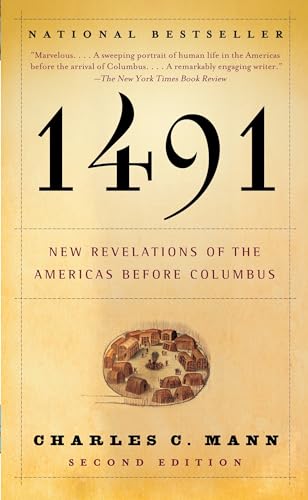
Much like Weatherford's work, this book challenges long-held historical misconceptions by revealing the sophisticated, complex societies that existed in the Americas prior to European contact. It offers a similarly revisionist, eye-opening perspective on how indigenous civilizations shaped the modern world.

This book shifts the historical lens away from the West and toward the East, tracing the trade routes that connected civilizations and built empires. Readers who enjoyed Weatherford's focus on the Mongol Empire's role in globalization will appreciate this sweeping, interconnected narrative.

by Timothy May
For readers who want a more academic yet accessible deep dive specifically into the military and political mechanics of the Mongol Empire, this is an essential companion. It complements Weatherford's narrative by providing a structured analysis of how the Mongols maintained their vast, multicultural dominion.

Crowley delivers a gripping, narrative-driven history of the Portuguese explorers who reshaped global trade and power structures. Fans of Weatherford will enjoy the blend of rigorous research and high-stakes storytelling that characterizes this account of imperial expansion.

Not sure what they've already read?
Let them pick their next favorite with an Amazon Gift Card.
As an Amazon Associate, we earn from qualifying purchases.

Dalrymple masterfully chronicles the rise of a corporation that conquered a subcontinent, mirroring the themes of empire-building and cultural transformation found in Weatherford's work. It is a compelling study of how power is seized and maintained through both commerce and violence.

Following the legacy of Genghis Khan, Tamerlane is another fascinating figure of Central Asian history who built a massive empire through ruthless military genius. Marozzi's biography provides a similar 'great man' historical narrative that is both scholarly and highly readable.
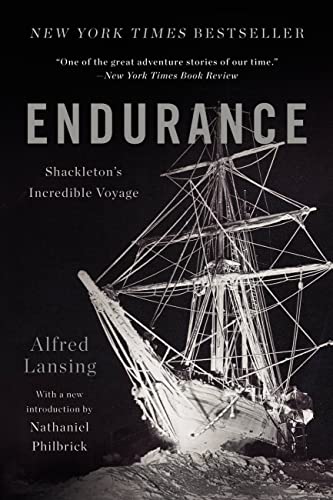
While the subject matter differs, the narrative drive and the focus on extreme leadership under duress will appeal to fans of Weatherford's study of Mongol resilience and adaptability. It is a classic example of how historical non-fiction can read with the tension of a thriller.

by Tom Holland
Holland writes history with the pacing of a novel, bringing the fall of the Roman Republic to life with vivid detail and dramatic flair. Readers who enjoyed the way Weatherford humanized the Mongols will appreciate this character-driven look at the political machinations of ancient Rome.

Millard excels at taking a specific historical moment or figure and expanding it into a broader commentary on the era's technological and political landscape. Like Weatherford, she manages to make dense historical research feel intimate, urgent, and deeply relevant to the modern reader.

by Ian Mortimer
This book offers a unique, immersive approach to history that focuses on the daily lives of ordinary people rather than just rulers and wars. It complements Weatherford's work by providing a 'bottom-up' perspective on the medieval era, making the distant past feel startlingly tangible.

Prefer to listen?
Try Audible and hear the story instead of reading it.
As an Amazon Associate, we earn from qualifying purchases.
As an Amazon Associate, we earn from qualifying purchases.