

Based on your book
Ghost-Eye
by Ghosh, Amitav
Ghost-Eye acts as an intricate lens held up to the friction between individual memory and the heavy, often hidden machinery of history. The narrative follows an outsider navigating a landscape that feels both physically present and hauntingly detached, forcing a confrontation with one's own sense of self. Ghosh writes with a patient, deliberate pace that allows the atmosphere to settle over you like a thick fog. It is less about a fast-moving mystery and more about the slow, unsettling realization that the places we inhabit are etched with the ghosts of past colonial and social displacements. This is a book for readers who prefer their historical fiction to be cerebral and moody, valuing deep character introspection over mere action. If you enjoy feeling slightly off-balance while reading, this will stay with you long after the final page.
10 Books similar to 'Ghost-Eye'
When you finish Ghost-Eye, you will likely find yourself craving more stories that treat geography and history as living, breathing characters. We curated this list to satisfy your interest in the post-colonial identity crisis and the quiet, crushing weight of social structures. Whether through the expansive, research-heavy worlds of Amitav Ghosh and Salman Rushdie or the intimate, focused character studies of Jhumpa Lahiri and Shashi Deshpande, these books explore how we are shaped by the borders we cross. They all share that same contemplative spirit, perfect for readers who appreciate nuanced, atmospheric storytelling.
As an Amazon Associate, we earn from qualifying purchases.

by Amitav Ghosh
As a seminal work by the same author, this novel shares the lush, atmospheric, and ecologically conscious writing style found in Ghosh's other works. It masterfully weaves together human history, environmental peril, and the complex interplay between outsiders and local communities in the Sundarbans.

by Amitav Ghosh
This novel offers the same meticulous historical research and sweeping narrative scope that fans of Ghosh's style appreciate. It captures the intersection of colonial trade, personal destinies, and the turbulent social fabric of 19th-century India.

Like Ghosh's work, this classic explores the intricate tapestry of Indian history through a deeply personal and often magical lens. It shares a similar intellectual weight and a commitment to examining the post-colonial identity crisis.

This novel mirrors the lyrical prose and deep emotional resonance often associated with Ghosh's literary explorations of Indian society. It focuses on the devastating impact of social structures on individual lives, much like the thematic undercurrents in Ghosh's writing.

Love to read on the go?
Explore Kindle e-readers and take your books with you.
As an Amazon Associate, we earn from qualifying purchases.

Readers who appreciate Ghosh's ability to ground grand historical events in intimate human stories will find this book deeply compelling. It is a masterful, gritty examination of survival and resilience against the backdrop of political upheaval.
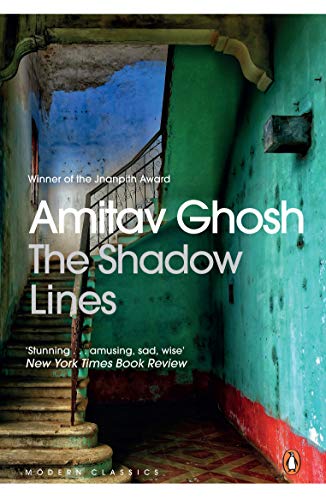
by Amitav Ghosh
This earlier novel by Ghosh explores the fluidity of borders—both physical and psychological—which is a recurring motif in his bibliography. It is an essential read for understanding the author's philosophical approach to memory and national identity.

Lahiri shares Ghosh's keen observational skill regarding the immigrant experience and the subtle tensions of cultural displacement. These stories are compact yet profound, offering a similar depth of character study.

by Kiran Desai
This Booker Prize-winning novel echoes Ghosh's concern with the legacy of colonialism and the globalized world. It balances a quiet, local atmosphere with sweeping political themes, making it a perfect companion for fans of literary South Asian fiction.

Deshpande’s writing offers a nuanced, introspective look at the constraints placed upon individuals within traditional social structures. It shares the quiet, intellectual pacing that makes Ghosh's character-driven narratives so engaging.

by Amitav Ghosh
For readers who enjoy the analytical and non-fiction side of Ghosh, this book is essential. It bridges the gap between literary criticism and climate science, providing the intellectual framework behind his recent fictional explorations of the natural world.

Not sure what they've already read?
Let them pick their next favorite with an Amazon Gift Card.
As an Amazon Associate, we earn from qualifying purchases.
As an Amazon Associate, we earn from qualifying purchases.