

Based on your book
Go Luck Yourself
by Raasch, Sara
Raasch challenges the common myth that luck is a random strike of lightning reserved for the chosen few. Instead, she reframes it as a skill set you can actually cultivate through intentional habits and a shifted perspective. The tone is refreshingly punchy and lighthearted, making the prospect of self-improvement feel less like a chore and more like an exciting experiment. You will not find dry, academic jargon here; rather, the advice feels like a conversation with a friend who has been exactly where you are and wants to pull you up. If you are tired of waiting for the universe to hand you a win and prefer a practical, empowering roadmap to take the steering wheel of your own life, this is the perfect companion for your next chapter.
10 Books similar to 'Go Luck Yourself'
Since you enjoyed the empowering, proactive spirit of Go Luck Yourself, we have curated a selection that deepens your understanding of personal agency. These titles bridge the gap between abstract optimism and tangible results by focusing on the mechanics of growth and the psychology of habit. Whether you are looking for the scientific rigor found in The Luck Factor or the blunt, no-nonsense philosophy of The Subtle Art of Not Giving a F*ck, these picks emphasize that success is built through consistent, small choices rather than waiting for a stroke of serendipity.
As an Amazon Associate, we earn from qualifying purchases.

Like Raasch's work, this book uses scientific research to demystify the concept of luck, showing how mindset and behavior can actively create opportunities. It is a perfect companion for readers who want to move beyond the idea of chance and take control of their own success.

Dweck's exploration of fixed versus growth mindsets provides the psychological foundation for the proactive approach championed in 'Go Luck Yourself.' Readers will appreciate the actionable advice on how changing your internal narrative can fundamentally alter your life's trajectory.

by James Clear
This book shares Raasch's practical, results-oriented philosophy, focusing on how small, consistent actions compound into significant life changes. It appeals to the same audience looking for a structured, realistic roadmap to achieving their goals.

by Darren Hardy
Hardy echoes the sentiment that success is not a stroke of random luck but the result of small, smart choices made consistently over time. It aligns perfectly with the 'Go Luck Yourself' message that you are the architect of your own fortune.

Prefer to listen?
Try Audible and hear the story instead of reading it.
As an Amazon Associate, we earn from qualifying purchases.

Gilbert offers a more whimsical yet equally empowering take on how to invite luck and inspiration into your life by embracing curiosity over fear. Fans of Raasch's encouraging, direct voice will find this to be a refreshing and creative counterpart.

Duckworth's research-backed argument that success is driven by passion and perseverance rather than innate talent mirrors the core thesis of 'Go Luck Yourself.' It provides a deeper psychological look at why some people succeed where others fail, despite the odds.

by Mark Manson
Manson shares Raasch's blunt, no-nonsense approach to self-improvement, challenging readers to stop worrying about external validation and start focusing on what truly matters. It is a cynical yet ultimately hopeful guide for taking responsibility for one's own life.

by Bill Burnett and Dave Evans
This book applies design thinking to the problem of life planning, offering a structured, experimental approach that feels very similar to Raasch's 'luck-building' exercises. It is ideal for readers who want a tangible methodology for creating their own path.
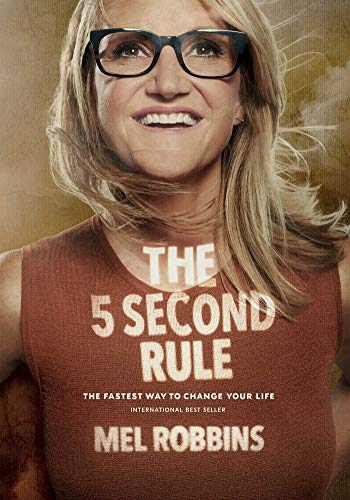
by Mel Robbins
Robbins provides a simple, immediate tool for overcoming hesitation and indecision, which directly supports the proactive mindset necessary to 'go luck yourself.' The pacing and direct, actionable advice make it a natural follow-up for readers of Raasch.

by Greg McKeown
McKeown argues that luck and success come from focusing your energy on the vital few rather than the trivial many, a theme that complements Raasch's advice on intentional living. It offers a reflective, strategic approach to reclaiming control over one's time and opportunities.

Love to read on the go?
Explore Kindle e-readers and take your books with you.
As an Amazon Associate, we earn from qualifying purchases.
As an Amazon Associate, we earn from qualifying purchases.