

Based on your book
Go, Went, Gone
by Erpenbeck, Jenny
Richard is a retired classics professor in Berlin, a man whose life has been defined by order, routine, and the quiet comfort of his own study. Following his wife's death, he finds himself adrift until he encounters a group of African refugees protesting in Alexanderplatz. Driven by a newfound, restless curiosity, he begins to interview these men, documenting their harrowing journeys and their current, limbo-like existence in a bureaucracy that refuses to see them. The prose is patient and deeply intellectual, mirroring Richard's own analytical mind as he confronts the uncomfortable reality of his own privilege. This is a meditative, slow-burning novel that eschews melodrama for something far more piercing: a quiet interrogation of how much responsibility we owe to the strangers living at our doorsteps. It is for readers who value thoughtful character studies over plot-driven pacing.
10 Books similar to 'Go, Went, Gone'
When you finish Erpenbeck, you might find yourself craving more stories that bridge the gap between individual isolation and the larger, impersonal forces of history. We curated this list to highlight the tension between personal displacement and the struggle for human connection. Whether it is the quiet, repressed introspection found in Kazuo Ishiguro or the surreal, systemic critique in Mohsin Hamid, these books share that same grounded, melancholy focus on the outsider. They are perfect for readers who want to explore how the personal choices of a single individual collide with the rigid, often uncaring structures of society.
As an Amazon Associate, we earn from qualifying purchases.

by Rachel Joyce
Like Erpenbeck’s protagonist, Harold Fry is an older man whose quiet, orderly life is interrupted by a sudden, transformative realization that compels him to engage with the world in a new, profound way. Both novels explore the intersection of aging, memory, and the unexpected human connections that arise when one steps outside their comfort zone.

by Mohsin Hamid
This novel offers a surreal yet deeply grounded exploration of the refugee experience, mirroring Erpenbeck’s focus on the displacement and the search for belonging. It utilizes a more magical premise to examine the same harsh realities of migration, borders, and the fragility of home.
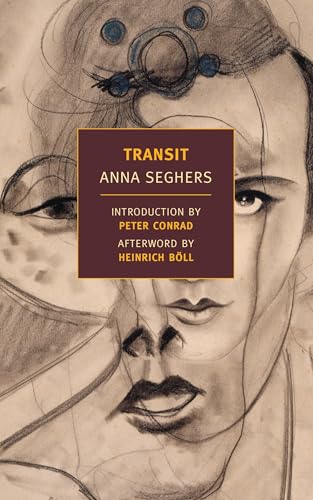
by Anna Seghers
A classic of exile literature, this novel captures the Kafkaesque bureaucracy and existential dread of refugees waiting for transit visas, themes which heavily inform the narrative of 'Go, Went, Gone.' It provides a historical mirror to Erpenbeck’s contemporary examination of the displaced.

While tonally distinct, this novel shares Erpenbeck's sharp, intellectual critique of historical narratives and the experience of the 'other.' It offers a complex, deeply analytical look at the internal and external conflicts of being caught between cultures and political ideologies.

Not sure what they've already read?
Let them pick their next favorite with an Amazon Gift Card.
As an Amazon Associate, we earn from qualifying purchases.

Readers who appreciated the character study of Richard, a retired academic finding new purpose, will resonate with Ove’s journey toward connection. Both books masterfully blend the frustrations of modern bureaucracy and social isolation with the slow, tender development of unlikely friendships.

This novel shares Erpenbeck’s precise, observational prose and the theme of an individual suddenly forced to grapple with a new, alien reality. It is a deeply contemplative study of isolation and the resilience required to survive when the world you knew has vanished.

Both novels feature protagonists who are deeply repressed, intellectual, and forced to confront their own complicity in historical and political events. The quiet, precise narrative voice and the slow unraveling of the protagonist's worldview make this a perfect companion piece.

While non-fiction, this oral history captures the same profound sense of historical displacement and the collapse of identity that Erpenbeck explores. It is an essential read for those interested in how political shifts redefine the lives of ordinary people.

by Teju Cole
This novel follows a protagonist who wanders through a city, observing the layers of history and the lives of those around him, much like Richard in 'Go, Went, Gone.' It is a meditative, intellectual exploration of memory, migration, and the ghosts of the past that haunt modern urban spaces.


Prefer to listen?
Try Audible and hear the story instead of reading it.
As an Amazon Associate, we earn from qualifying purchases.
As an Amazon Associate, we earn from qualifying purchases.