

Based on your book
Good Faith
by Smiley, Jane
Set against the backdrop of the 1980s real estate boom, Good Faith follows Joe Stratford, a man whose life is defined by calculated risks and the pursuit of professional respectability. When he enters a complicated business partnership that blurs the lines between friendship and ambition, he finds himself caught in a web of deceit that threatens his marriage and his status. Jane Smiley avoids easy moral judgments, opting instead to peel back the layers of her characters' rationalizations. The reading experience is clinical yet intimate, moving with the steady, patient rhythm of a long-form character study. It is a quiet, psychologically dense novel that focuses on the slow erosion of integrity. This is for readers who enjoy watching how small, seemingly inconsequential compromises eventually snowball into life-altering catastrophes, and who prefer character-driven narratives over fast-paced thrillers.
10 Books similar to 'Good Faith'
If the moral ambiguity and social friction of Joe Stratford’s world resonated with you, these selections offer a similar deep dive into the costs of ambition. We chose these titles because they excel at dissecting the distance between the lives people present to the world and the reality of their private, often messy, inner lives. Whether exploring the hollow core of the American Dream or the quiet decay of domestic stability, these stories share a fascination with how economic pressures force people to reveal their true, sometimes compromised, characters.
As an Amazon Associate, we earn from qualifying purchases.

by Tom Wolfe
Like 'Good Faith', this novel captures the frenetic energy and moral decay of the 1980s, focusing on the intersection of ambition, greed, and social status. It offers a similarly sharp, cynical, and observational look at how personal choices collide with larger economic and societal forces.

This novel mirrors Smiley's talent for dissecting the complexities of family dynamics and the quiet desperation of middle-class life. It shares the same deeply introspective, character-driven approach as characters navigate their personal failures against a backdrop of shifting societal values.

Fans of Smiley's exploration of crumbling relationships and the facade of the American Dream will appreciate this classic study of suburban disillusionment. It captures the same tension between external appearances and internal unhappiness that defines the protagonists in 'Good Faith'.

by Jane Smiley
Since you enjoyed Smiley's writing style in 'Good Faith', this Pulitzer Prize-winning novel is essential reading. It showcases her mastery of complex family dynamics and the slow unraveling of long-held secrets, albeit in a more rural and tragic setting.

Prefer to listen?
Try Audible and hear the story instead of reading it.
As an Amazon Associate, we earn from qualifying purchases.
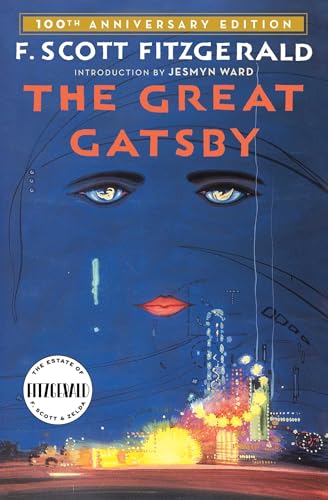
The themes of obsession, the pursuit of wealth, and the hollowness of social climbing connect this classic directly to the world of 'Good Faith'. Both books explore the dangerous allure of reinventing oneself and the inevitable consequences of living a life built on shaky foundations.

This sprawling narrative examines the complexities of modern marriage and the compromises people make to maintain their lifestyles. Readers who liked the evolving, often strained relationships in 'Good Faith' will find the character studies here equally compelling and realistic.

by Hernan Diaz
Set against the backdrop of the early 20th-century financial world, this novel is a brilliant puzzle box about money, power, and the stories we tell ourselves. It shares the 'Good Faith' fascination with the mechanics of wealth and the subjective nature of truth.

Russo excels at writing about the decline of small-town economies and the people trapped within them, much like Smiley's look at the real estate industry. The tone is similarly grounded, empathetic, and deeply focused on the weight of past decisions.

by Meg Wolitzer
This novel follows a group of friends over several decades, tracking how their ambitions and the shifting economic reality change their relationships. It captures the same sense of time passing and the slow accumulation of secrets that defines the narrative arc of 'Good Faith'.

by Amor Towles
Set in 1930s New York, this book captures the social mobility and moral choices inherent in high-stakes environments. Readers who enjoy the sophisticated, character-focused prose of Smiley will appreciate the way Towles navigates the intersection of luck, ambition, and personal integrity.

Love to read on the go?
Explore Kindle e-readers and take your books with you.
As an Amazon Associate, we earn from qualifying purchases.
As an Amazon Associate, we earn from qualifying purchases.