

Based on your book
Good to Go
by Aschwanden, Christie
Christie Aschwanden approaches the multi-billion dollar recovery industry with the skepticism of a journalist and the curiosity of an athlete. She spends the book traveling to laboratories and training facilities to test the latest trends, from compression boots to cryotherapy, to see if they actually hold up to scientific scrutiny. The reading experience is like sitting down with a clear-eyed friend who wants to save you from wasting your money on expensive gimmicks. She breaks down complex data into accessible, witty prose without ever talking down to the reader. It is a methodical, eye-opening look at how we obsess over optimizing our bodies, perfect for anyone who has ever wondered if that pricey post-workout supplement is doing anything at all. If you appreciate evidence-based reporting and enjoy questioning the status quo of modern health, this book will change how you view recovery.
10 Books similar to 'Good to Go'
If this investigation into wellness myths left you hungry for more, these selections carry forward that same spirit of intellectual rigor and myth-busting. We chose these titles because they share the same DNA as Aschwanden's work, prioritizing sharp cultural analysis and the science of human performance over flashy marketing claims. Whether they are dismantling the concept of natural talent or examining the evolution of our bodies, these books mirror the analytical, no-nonsense approach found in Good to Go. They are curated for readers who value truth-seeking journalism and a healthy dose of skepticism toward popular health trends.
As an Amazon Associate, we earn from qualifying purchases.

Like Aschwanden, Epstein dives deep into the science behind athletic ability with a skeptical, investigative eye. It challenges common assumptions about what makes an athlete great, making it a perfect follow-up for readers who enjoyed the myth-busting nature of 'Good to Go'.

by Ben Goldacre
If you appreciated Aschwanden's crusade against pseudoscience and 'wellness' fads, this book is essential reading. Goldacre uses a sharp, witty voice to dismantle bad research and marketing, mirroring the investigative rigor found in 'Good to Go'.
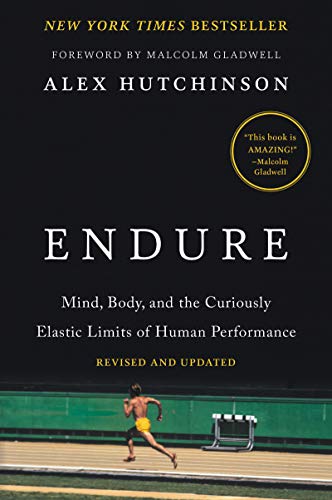
Hutchinson explores the physical and mental limits of human endurance, blending rigorous science with compelling storytelling. It shares the same 'sports science' DNA as 'Good to Go' while focusing on the psychological aspects of pushing one's body to the limit.

While the subject is heavier, the investigative, deeply researched, and narrative-driven approach to medical science will appeal to fans of Aschwanden's style. It provides a fascinating, comprehensive look at a complex scientific field through a human lens.

Prefer to listen?
Try Audible and hear the story instead of reading it.
As an Amazon Associate, we earn from qualifying purchases.
Conniff brings the same investigative journalism skills to the world of energy that Aschwanden brings to fitness. It is a deep dive into industry myths and the reality behind the hype, perfect for readers who enjoy unmasking the truth behind popular narratives.

by Anders Ericsson and Robert Pool
This book dismantles the myth of 'natural talent' in favor of 'deliberate practice,' offering a scientific framework for improvement that parallels the debunking approach in 'Good to Go.' It is an empowering read for anyone interested in optimizing their own performance.

by Mary Roach
Mary Roach is the gold standard for accessible, witty, and deeply researched science writing. If you enjoyed the lighthearted yet informative tone Aschwanden used to tackle the 'gross' or 'strange' aspects of recovery, you will love Roach's exploration of death.

by Bill Bryson
Bryson provides a comprehensive, witty, and highly readable tour of human anatomy that shares the accessible, non-academic tone of 'Good to Go.' It satisfies the reader's curiosity about how our bodies function without getting bogged down in impenetrable jargon.

Lieberman uses evolutionary biology to challenge our modern assumptions about exercise, much like Aschwanden challenges our assumptions about recovery. It is a thought-provoking look at the disconnect between our ancient bodies and our modern lifestyles.

by Susan Cain
Cain masterfully blends research, psychology, and storytelling to challenge a pervasive cultural myth—that extroversion is the ideal. Fans of 'Good to Go' will appreciate the way she uses data and narrative to dismantle societal biases, much like Aschwanden does with fitness trends.

Love to read on the go?
Explore Kindle e-readers and take your books with you.
As an Amazon Associate, we earn from qualifying purchases.
As an Amazon Associate, we earn from qualifying purchases.