

Based on your book
Good to Great
by Collins, Jim
Jim Collins spent years obsessively parsing data to answer a single question: can a good company become a great one, and if so, how? This book is the result of that meticulous study, stripping away the hype surrounding corporate success to reveal the quiet, often counterintuitive habits that actually drive long-term performance. You will not find quick-fix management trends here. Instead, the reading experience feels like sitting through a rigorous, high-stakes briefing from a researcher who has seen the numbers and refuses to settle for surface-level explanations. It is analytical, steady, and occasionally frustrating in its demand for radical self-discipline. This is for the reader who prefers cold logic over charismatic fluff and wants to understand the structural mechanics of success rather than just reading another biography about a famous CEO.
10 Books similar to 'Good to Great'
If the methodical dissection of success in Good to Great resonated with you, these selections offer a wider lens on the mechanics of growth and leadership. We chose these titles because they bridge the gap between organizational theory and the raw, human reality of decision-making. Whether you are looking for the psychological roots of clear thinking, the gritty intensity of military-style accountability, or the sobering realities of why even the best companies eventually stumble, these books provide the necessary context to move beyond theory and into the complex, often messy application of these principles in your own professional life.
As an Amazon Associate, we earn from qualifying purchases.
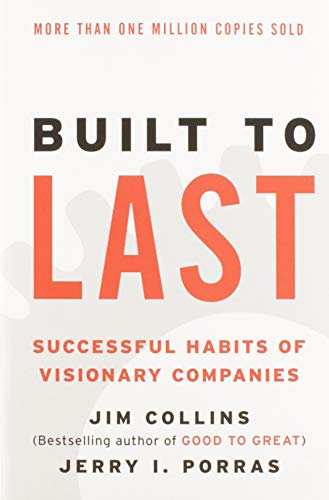
by Jim Collins and Jerry I. Porras
As the spiritual predecessor to Good to Great, this book shares the same rigorous, data-driven methodology to uncover what makes enduring companies successful. Readers who appreciated the analytical framework of Collins' later work will find this foundational study equally compelling and essential for understanding long-term organizational success.
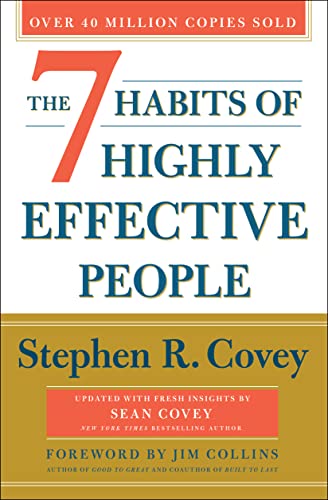
This classic focuses on the principles of personal effectiveness, which serves as the individual-level counterpart to the organizational-level insights in Good to Great. It shares a similar tone of practical, research-backed wisdom aimed at achieving sustained excellence and meaningful growth.
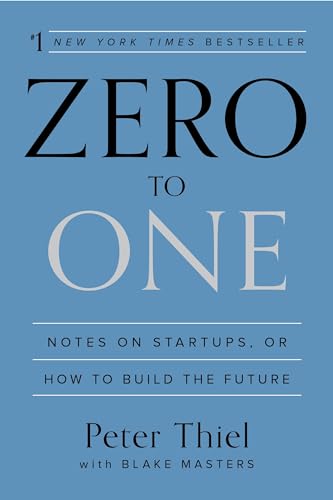
by Peter Thiel
While it focuses on startups rather than established corporations, this book offers a similarly contrarian and high-level perspective on business strategy. Fans of the 'Level 5 Leadership' concept will appreciate Thiel's focus on visionary thinking and the necessity of building something truly unique.
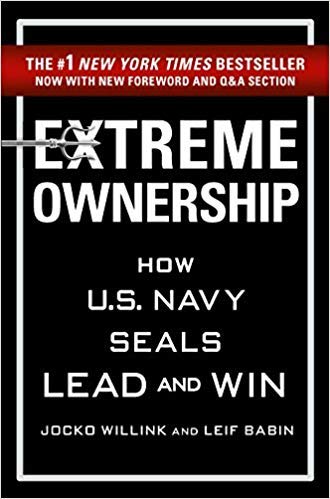
by Jocko Willink and Leif Babin
This book translates high-stakes military leadership principles into actionable business strategies, mirroring the 'disciplined people, disciplined thought, disciplined action' framework of Good to Great. It provides a more visceral, intense look at leadership accountability that complements Collins' more academic approach.

Not sure what they've already read?
Let them pick their next favorite with an Amazon Gift Card.
As an Amazon Associate, we earn from qualifying purchases.
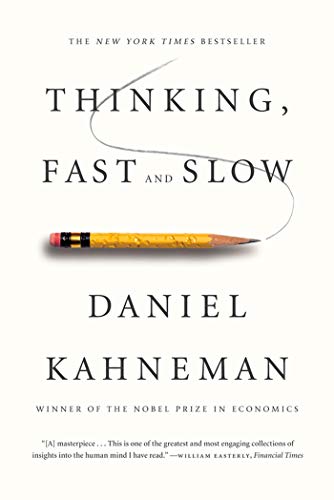
To understand the 'disciplined thought' aspect of Good to Great, one must understand the cognitive biases that hinder decision-making. Kahneman's masterpiece provides the psychological foundation for why leaders often fail and how they can cultivate the clarity required for greatness.

This seminal work explains why great companies fail despite doing everything 'right,' offering a perfect counterpoint to the success stories in Good to Great. It is essential reading for any reader interested in the structural and market forces that challenge long-term organizational survival.
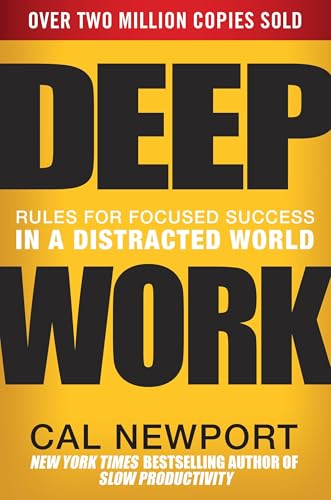
by Cal Newport
Newport’s focus on the value of intense, undistracted cognitive effort aligns perfectly with the 'disciplined action' required by the companies in Good to Great. It provides a practical, modern guide for professionals who want to apply the book's high-level concepts to their daily work habits.

by Simon Sinek
Sinek explores the human element of organizational success, focusing on trust and safety, which are the invisible foundations of the 'great' companies described by Collins. It offers a more emotional, people-centric perspective that balances the more clinical analysis found in Good to Great.

Gladwell investigates the hidden factors—culture, timing, and circumstances—that contribute to extraordinary success, much like Collins investigates the hidden factors of corporate greatness. Both authors excel at synthesizing complex data into compelling, narrative-driven arguments about the nature of achievement.

by Ben Horowitz
While Good to Great focuses on the ideal traits of successful companies, Horowitz provides the raw, unfiltered reality of running a business during a crisis. It is a perfect companion for readers who want to see how the theoretical 'disciplined action' of Collins' work plays out in the chaotic, high-pressure trenches of real-world management.

Love to read on the go?
Explore Kindle e-readers and take your books with you.
As an Amazon Associate, we earn from qualifying purchases.
As an Amazon Associate, we earn from qualifying purchases.