

Based on your book
Gravity's Rainbow
by Thomas Pynchon
Gravity's Rainbow drops you into a bewildering, darkly comic, and deeply unsettling version of World War II Europe, where the line between reality and hallucination blurs. Lieutenant Tyrone Slothrop finds himself at the center of a bizarre conspiracy involving V-2 rockets, Pavlovian conditioning, and an international hunt for a mysterious rocket component. Pynchon’s prose is a magnificent, sprawling beast — dense with historical detail, scientific jargon, pop culture references, and sudden bursts of absurd humor. Reading it feels like navigating a vast, intricate dreamscape, where every character might be a spy and every event holds hidden meaning. This is a book for the adventurous reader who relishes a true intellectual workout, isn't daunted by a sprawling cast and non-linear narrative, and appreciates a profound, often hilarious, look at paranoia, power, and the terrifying absurdity of existence.
10 Books similar to 'Gravity's Rainbow'
If Pynchon’s labyrinthine exploration of paranoia, the absurd, and the sheer density of human experience in Gravity's Rainbow resonated with you, we’ve gathered some kindred spirits. These books share that unique blend of challenging narrative structures, deep dives into conspiracy, and a darkly satirical lens on power and control. You'll find narratives that revel in their complexity, offering both intellectual puzzles and profound insights into the human condition, all while maintaining that unsettling, surreal edge. Whether you're seeking more sprawling literary puzzles or stories that dissect the unsettling undercurrents of society, these selections promise a similarly rich and thought-provoking journey.
As an Amazon Associate, we earn from qualifying purchases.

Like Gravity's Rainbow, Infinite Jest is known for its complex narrative structure, intricate themes, and a sprawling cast of characters. Both novels explore the dark undercurrents of society and human consciousness.

Another one of Pynchon's works, this novel shares Gravity's Rainbow's intricate plotting and themes of conspiracy and paranoia, but in a more concise format.

by James Joyce
Renowned for its stream-of-consciousness style and linguistic innovation, Ulysses shares Gravity's Rainbow's challenge to conventional narrative forms and its exploration of the human psyche.

Both novels use dark humor and satire to critique war and bureaucracy, featuring absurd situations and a circular narrative style.

Love to read on the go?
Explore Kindle e-readers and take your books with you.
As an Amazon Associate, we earn from qualifying purchases.

This novel is known for its dense prose and exploration of themes like authenticity and identity, similar to those found in Gravity's Rainbow.

Another epic work by Pynchon, this novel shares the thematic complexity and historical depth of Gravity's Rainbow, spanning multiple continents and time periods.

Pynchon's debut novel introduces readers to his signature style of intricate plotting and themes of conspiracy and identity, akin to those in Gravity's Rainbow.

This novel, like Gravity's Rainbow, is a sprawling narrative that weaves together multiple storylines and delves into themes of violence, chaos, and the human condition.

Known for its complex narrative structure and exploration of history and evil, this novel shares Pynchon's focus on the darker aspects of human nature.
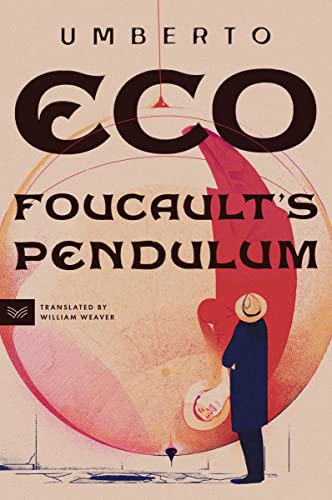
by Umberto Eco
This novel's intricate plotting and themes of conspiracy and knowledge resemble those in Gravity's Rainbow, inviting readers to question the nature of truth and reality.

Not sure what they've already read?
Let them pick their next favorite with an Amazon Gift Card.
As an Amazon Associate, we earn from qualifying purchases.
As an Amazon Associate, we earn from qualifying purchases.