

Based on your book
Growth
by Pulli, Jon
Growth is an intellectual deep dive into the mechanics of expansion, looking at why we are so obsessed with constant progress and what that pursuit actually costs us. Rather than offering a standard self-help manual, Pulli constructs a rigorous, analytical framework that forces you to question the foundational assumptions of modern economics and societal success. The writing is dense and contemplative, demanding your full attention as it balances historical data with philosophical inquiry. It is not a light read; it is a text for those who prefer to engage with complex systems and uncomfortable truths rather than simplistic solutions. If you find yourself constantly pondering how our current trajectory aligns with long-term human flourishing, this book will provide the structural vocabulary you have been missing to articulate those concerns.
10 Books similar to 'Growth'
If the analytical rigor of Growth left you wanting more, our selection of titles focuses on the tension between societal expansion and planetary limits. We have curated a list that moves from the mathematical laws of scale found in Geoffrey West's work to the ethical pushback in E. F. Schumacher's critiques. By pairing these with data-heavy histories like those by Vaclav Smil, you can trace the evolution of human progress from multiple vantage points. These books collectively explore whether our definition of prosperity is sustainable, offering a balanced perspective for the truly curious reader.
As an Amazon Associate, we earn from qualifying purchases.
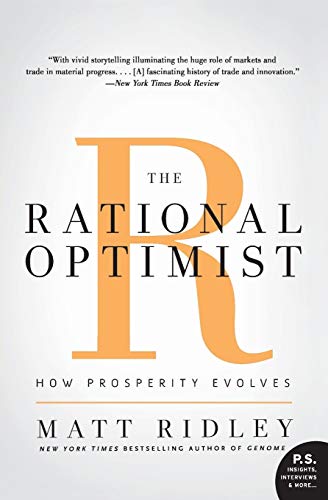
by Matt Ridley
Like 'Growth', this book explores the history of human progress and economic development through a lens of innovation and exchange. It provides a similarly analytical and optimistic perspective on how humanity overcomes resource constraints.

by Vaclav Smil
Readers who appreciated the rigorous, data-driven examination of energy and growth in Pulli's work will find this comprehensive history essential. It meticulously tracks how energy transitions have shaped every stage of human societal development.

This book mirrors the forward-looking, growth-oriented themes of Pulli's work by arguing that technology will solve humanity's greatest challenges. It offers a compelling, evidence-based argument for why the future of resource management is bright.

Focusing on the mechanics of systemic change, this book complements 'Growth' by detailing the practical realities of transitioning global energy systems. It shares the same serious, policy-oriented focus on the future of global infrastructure.

Love to read on the go?
Explore Kindle e-readers and take your books with you.
As an Amazon Associate, we earn from qualifying purchases.

While it offers a critical counterpoint to unchecked expansion, it is essential reading for anyone interested in the philosophy of growth. It challenges the reader to reconsider the metrics of success and the sustainability of modern economic systems.
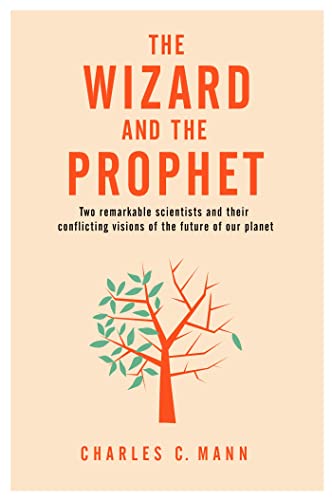
This book masterfully juxtaposes two different philosophies of growth and environmental management, providing the context necessary to understand the debates found in 'Growth'. It is an intellectually rigorous exploration of how we define progress.

This seminal text is the foundational critique of the growth paradigm that Pulli engages with, making it a crucial companion for understanding the evolution of the debate. It uses systems thinking to model the potential trajectories of human civilization.

West applies scientific principles to explain why things grow and die, offering a structural similarity to the analytical approach in 'Growth'. It is a fascinating look at the hidden mathematical patterns that govern all complex systems.

Sachs provides a comprehensive roadmap for global development that directly addresses the tensions between economic growth and environmental stability. It is highly informative and shares the same goal-oriented, systemic perspective as Pulli's work.

by Tim Jackson
This book directly confronts the central question of whether growth is compatible with environmental limits, making it a perfect thematic follow-up to 'Growth'. It challenges traditional economic assumptions with a focus on human well-being.

Not sure what they've already read?
Let them pick their next favorite with an Amazon Gift Card.
As an Amazon Associate, we earn from qualifying purchases.
As an Amazon Associate, we earn from qualifying purchases.