

Based on your book
Guilty
by Bataille, Georges
Guilty is not a novel in the traditional sense, but a raw, diaristic descent into the mind of a man wrestling with the boundaries of his own consciousness. Bataille writes from a place of profound isolation, documenting his struggle to reconcile the sacred and the profane while navigating the wreckage of his own existential crisis. The pacing is fragmented and intense, mirroring the erratic nature of a mind untethered from social norms. You will not find a linear narrative here; instead, you get a series of visceral, meditative snapshots that demand total intellectual surrender. It is a deeply uncomfortable and rewarding read for those who prefer philosophy that bleeds. If you are interested in the dark corners of human identity and the courage required to look directly into the void, this book will leave a permanent mark on your perspective.
10 Books similar to 'Guilty'
Since these books share the same DNA of existential inquiry and moral transgression, they act as a map for further exploration into the darker side of human thought. Whether it is the clinical detachment found in Camus or the poetic nihilism of Pessoa, these selections are designed for readers who are not afraid of the abyss. They emphasize the same themes of alienated identity and the search for meaning in a world that offers none, ensuring that your journey through the philosophical underground remains as challenging and provocative as the pages of Guilty itself.
As an Amazon Associate, we earn from qualifying purchases.

As the most infamous work by the same author, this novella pushes the boundaries of transgressive literature and erotic obsession to the extreme. It shares the same raw, uncompromising exploration of the intersection between death, desire, and the sacred that defines the Bataillean experience.

This foundational text of existential literature mirrors the confessional, isolated, and highly introspective nature of Bataille's writing. It captures the same sense of a cynical, alienated narrator grappling with the contradictions of human consciousness and the desire for self-destruction.

Kundera weaves philosophical inquiry into the fabric of daily life and erotic entanglement, much like Bataille does in his diaries. It explores the tension between the weight of existence and the lightness of being, resonating with readers interested in the intersection of politics, sex, and philosophy.

by Jean Genet
Genet's autobiographical work is a masterpiece of transgressive literature, elevating the life of a criminal and outcast to a form of saintliness. It shares Bataille's fascination with the 'abject' and the search for beauty within the most degraded aspects of human experience.

Prefer to listen?
Try Audible and hear the story instead of reading it.
As an Amazon Associate, we earn from qualifying purchases.

Sartre's novel captures the visceral, overwhelming experience of existential dread that permeates Bataille's work. It is a deeply intellectual yet disturbing exploration of an individual's struggle to find meaning in a world that feels inherently absurd and alienating.

Carter's surreal, gender-bending journey through a dystopian landscape mirrors the dreamlike, transgressive, and often disturbing imagery found in Bataille's writing. It is a challenging, highly stylized critique of desire, power, and the construction of the self.
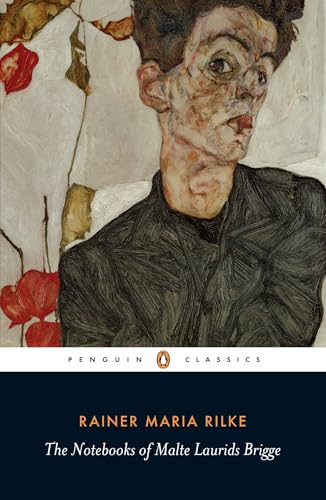
This semi-autobiographical novel is a fragmented, poetic exploration of isolation and the terror of urban existence. Its focus on inner experience and the dissolution of the self aligns closely with the confessional, diary-like structure and tone of Bataille's *Guilty*.

by J.G. Ballard
Ballard explores the eroticization of technology and violence, a theme that echoes Bataille's interest in the violent transgression of boundaries. It is a cold, clinical, yet deeply intense examination of how modern life warps human desire and psychology.

This collection of fragments and aphorisms is perhaps the closest stylistic cousin to Bataille's diaristic works. It is a profound, meditative, and often bleak exploration of the void, the self, and the impossibility of finding a coherent identity.

by Albert Camus
Camus provides a concise, detached look at the absurdity of existence, which fans of Bataille will find familiar in its rejection of traditional morality. The narrative voice is famously dispassionate, forcing the reader to confront the indifference of the universe.

Love to read on the go?
Explore Kindle e-readers and take your books with you.
As an Amazon Associate, we earn from qualifying purchases.
As an Amazon Associate, we earn from qualifying purchases.