
Based on your book
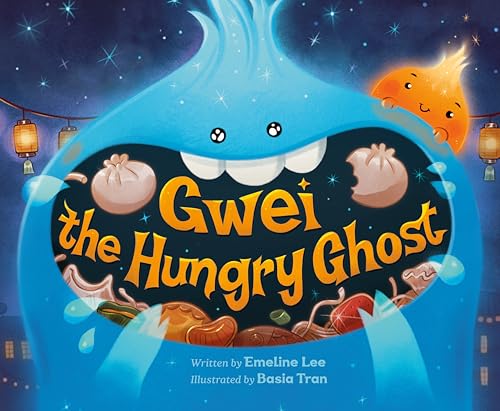
Gwei the Hungry Ghost
by Lee, Emeline
Emeline Lee uses the folklore of the hungry ghost as a lens to examine the insatiable, often destructive nature of ancestral trauma. This memoir does not offer a gentle look at family history; instead, it digs into the uncomfortable spaces where cultural expectations collide with personal identity. The atmosphere is heavy and unsettling, mirroring the psychological toll of carrying secrets across generations. Lee writes with a sharp, unflinching precision that makes the reader feel the weight of her heritage as both a burden and a mystery. It is a slow, methodical descent into the past that feels less like a traditional narrative and more like an exorcism. If you are drawn to memoirs that prioritize emotional honesty over comfort and enjoy exploring how folklore informs our modern psychological struggles, this will stay with you long after the final page.
10 Books similar to 'Gwei the Hungry Ghost'
The books we have selected for you lean into the same intersection of ancestral burden and individual reclamation found in Lee's writing. Whether through the lens of fiction like The Joy Luck Club or the searing analytical essays of Cathy Park Hong, these titles explore the specific tension of navigating dual cultural identities. We chose these works because they mirror the way you might use literature to process your own history. From the visceral body-focused trauma in Roxane Gay's work to the historical weight in Pachinko, these stories share a commitment to uncovering the truths hidden beneath family silence.
As an Amazon Associate, we earn from qualifying purchases.

Like Gwei the Hungry Ghost, this memoir explores the profound intersection of grief, cultural identity, and the complicated bonds between mother and daughter. Zauner's narrative voice is equally raw and reflective, using food and memory to bridge the gap between generations.

by Amy Tan
This classic novel mirrors the exploration of Chinese-American generational trauma and the struggle to understand ancestral history. It captures the same tension between the expectations of immigrant parents and the lived experiences of their children.

by Jung Chang
For readers fascinated by the historical backdrop of the Cultural Revolution in Lee's work, this sweeping biography offers a deeper, more expansive look at that era. It provides the essential historical context that shaped the trauma and resilience explored in Gwei the Hungry Ghost.

While the subject matter differs, the narrative power of reclaiming one's story and identity after trauma is strikingly similar. Miller's voice is deeply introspective and resilient, resonating with anyone who appreciates Lee's journey toward self-discovery and healing.

Love to read on the go?
Explore Kindle e-readers and take your books with you.
As an Amazon Associate, we earn from qualifying purchases.

This collection of essays offers a sharp, intellectual analysis of the Asian American experience that complements the personal narrative of Gwei the Hungry Ghost. It provides the cultural and political framework that helps contextualize the personal struggles Lee describes.

Lahiri’s novel perfectly captures the 'fish out of water' feeling of navigating two distinct cultures, a core theme in Lee's memoir. The quiet, observational style focuses on the subtle shifts in identity that occur when balancing heritage with assimilation.

by Celeste Ng
This novel delves into the crushing weight of family expectations and the secrets that linger in the wake of tragedy. Fans of Lee's exploration of family dynamics will appreciate how Ng dissects the silence and unspoken tensions within a household.

by Min Jin Lee
This epic saga follows a Korean family through generations in Japan, mirroring the intergenerational trauma and search for belonging found in Gwei the Hungry Ghost. It is a masterful look at how history shapes the individual's sense of self.
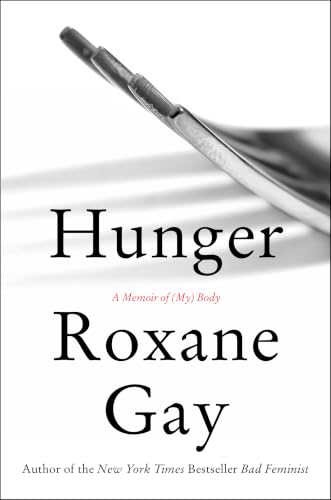
by Roxane Gay
Gay’s memoir is a brave, visceral examination of how trauma manifests physically, much like the 'hungry ghost' metaphor in Lee's work. The writing is incredibly vulnerable and offers a similar deep dive into the psychological aftermath of past events.

A foundational text for Chinese-American memoirists, this book blends autobiography with myth and folklore, much like Lee's integration of the hungry ghost legend. It is essential reading for understanding the interplay between cultural mythology and personal history.

Not sure what they've already read?
Let them pick their next favorite with an Amazon Gift Card.
As an Amazon Associate, we earn from qualifying purchases.
As an Amazon Associate, we earn from qualifying purchases.