

Based on your book
Happiness
by Richard O'Connor
Richard O'Connor moves beyond the shallow, surface-level advice often found in the self-help aisle, treating happiness as a skill set rather than a fleeting mood. He breaks down the biological and psychological barriers that keep us stuck in old, unproductive patterns. The reading experience is clinical yet deeply empathetic, feeling less like a pep talk and more like a private session with a thoughtful therapist who trusts your intelligence. O'Connor writes with a steady, analytical hand, guiding you through the mechanics of your own mind without ever resorting to toxic positivity. This book is for the analytical reader who wants to understand the why behind their emotional state and is willing to put in the work to rewire their brain. If you prefer evidence-based insights over motivational slogans, this will feel like a practical roadmap for long-term mental health.
10 Books similar to 'Happiness'
If this resonates with your desire for a more scientific approach to well-being, our curated list deepens that exploration. We chose these titles because they bridge the gap between neurobiology and the human experience, focusing on the same themes of cognitive restructuring and personal resilience. Whether you are looking for the practical neuroscience found in The Upward Spiral or the philosophical grounding of Man's Search for Meaning, these books reinforce the idea that happiness is a process of discovery. They are perfect for readers who appreciate analytical depth and want to move toward authentic, sustainable growth.
As an Amazon Associate, we earn from qualifying purchases.

Like O'Connor's work, this book challenges conventional self-help wisdom by exploring counter-intuitive paths to contentment. It offers a grounded, psychological perspective that resonates with readers looking for realistic, rather than overly optimistic, approaches to well-being.

This book provides a fascinating, science-backed look at why our brains are so bad at predicting what will make us happy in the future. It shares O'Connor's commitment to understanding the biological and psychological mechanisms behind our emotional states.
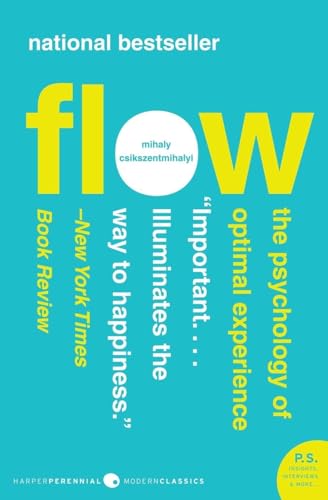
Csikszentmihalyi explores the state of deep engagement that leads to true satisfaction, mirroring O'Connor's focus on actionable ways to improve one's quality of life. It is an essential read for those interested in the cognitive science of happiness.

While much heavier in tone, this classic explores the profound human capacity to find meaning even in the darkest circumstances, a core theme in O'Connor's work. It provides a foundational philosophical argument for resilience that complements O'Connor's psychological advice.

Love to read on the go?
Explore Kindle e-readers and take your books with you.
As an Amazon Associate, we earn from qualifying purchases.

Haidt bridges the gap between ancient wisdom and modern psychology, much like O'Connor does in his exploration of the brain. It offers a structured, insightful look at how we can cultivate a better life through understanding our own minds.

As a pioneer of positive psychology, Seligman provides the scientific framework that underpins many of the techniques O'Connor discusses. Readers looking to understand the cognitive roots of their outlook will find this book highly practical.

by Brené Brown
Brown’s exploration of vulnerability as a strength aligns perfectly with O'Connor's advice on confronting difficult emotions to achieve lasting happiness. It is an empathetic, research-based guide for anyone seeking to live a more authentic life.

This book serves as a practical manual for the neuroplasticity concepts that O'Connor touches upon regarding changing one's habits. It is highly actionable for readers who want to understand the 'how-to' of changing their mental patterns.

by Alex Korb
Korb offers a very similar approach to O'Connor, focusing on how small, manageable changes in brain chemistry can lead to significant improvements in mood. Its focus on neuroscience makes it a great follow-up for fans of O'Connor's scientific approach.

by Susan Cain
While focused on personality types, Cain's book shares the same deep, psychological curiosity found in O'Connor's work. It validates the reader's internal experience and offers strategies for thriving in a world that often feels misaligned with one's nature.

Not sure what they've already read?
Let them pick their next favorite with an Amazon Gift Card.
As an Amazon Associate, we earn from qualifying purchases.
As an Amazon Associate, we earn from qualifying purchases.