

Based on your book
Haroun and the Sea of Stories
by Salman Rushdie
Haroun and the Sea of Stories begins with a simple, heartbreaking premise: a father loses his ability to tell stories, and his son sets off on a wild, surreal quest to restore his gift. What follows is a vibrant, kaleidoscopic journey that feels like a fairy tale written for adults who still remember the magic of childhood, yet possess the cynical eye of a political critic. Rushdie writes with a playful, rhythmic urgency, filling the pages with linguistic acrobatics and strange, memorable creatures. It is a book about the necessity of imagination in a world that tries to silence it. If you enjoy prose that dances, narratives that treat reality as a suggestion rather than a rule, and stories that use whimsy to confront heavy truths about censorship and freedom, this will feel like a long-lost favorite.
10 Books similar to 'Haroun and the Sea of Stories'
Since you enjoyed the way Haroun navigates the intersection of surreal logic and profound social commentary, our list focuses on books that share that same meta-fictional DNA. We chose these titles because they treat storytelling not just as entertainment, but as a vital, world-shaping force. Whether you are looking for more of that specific dream-like, satirical atmosphere or want to explore the deeper, philosophical weight of the hero's journey, these picks mirror the playfulness and intellectual curiosity that make Rushdie’s work so enduringly special.
As an Amazon Associate, we earn from qualifying purchases.

Like Haroun, this book is a brilliant, whimsical journey into a fantastical world that serves as an allegory for the importance of language, imagination, and curiosity. It shares the same playful, pun-filled narrative style and a young protagonist navigating a surreal landscape to solve a greater problem.
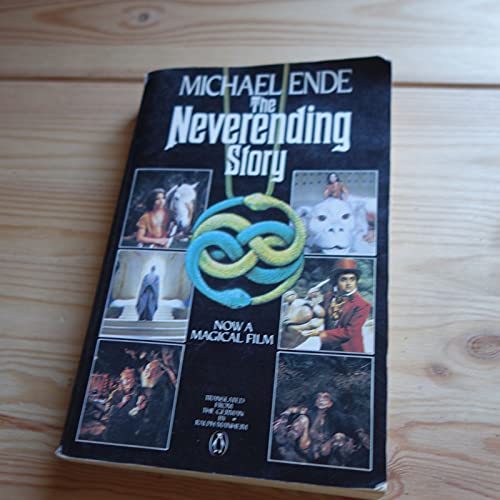
by Michael Ende
This classic meta-fictional tale mirrors Rushdie's love for the power of stories themselves, as a young boy becomes part of the book he is reading. It captures the same sense of wonder, high-stakes adventure, and the idea that our imagination can literally shape reality.

by Neil Gaiman
Gaiman shares Rushdie's gift for blending the mundane with the mythic, crafting a story that feels like a modern fairy tale rooted in childhood memory. It explores the fragility of reality and the power of storytelling to protect us from darker forces, much like Haroun's journey.
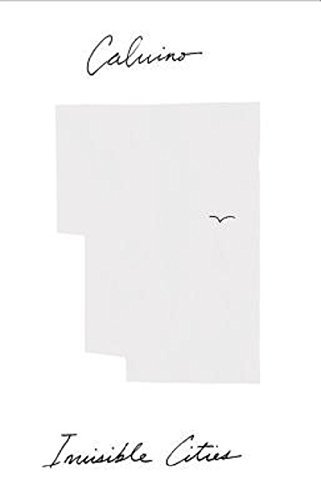
For readers who appreciated the imaginative, dreamlike descriptions of the Sea of Stories, Calvino’s masterpiece offers a series of surreal, philosophical vignettes about cities that defy logic. It is a highly intellectual and lyrical exploration of storytelling, memory, and perception.

Prefer to listen?
Try Audible and hear the story instead of reading it.
As an Amazon Associate, we earn from qualifying purchases.

While more grounded in historical reality than Haroun, this novel is a cornerstone of magical realism that uses fantastical elements to comment on political upheaval and family legacy. It shares Rushdie's ability to weave complex, multi-generational narratives with a touch of the supernatural.

This foundational fantasy novel explores the weight of words and names, a theme that resonates deeply with Haroun's quest to restore the Sea of Stories. It offers a more serious, contemplative tone but shares the focus on the responsibility of the storyteller and the hero's journey.
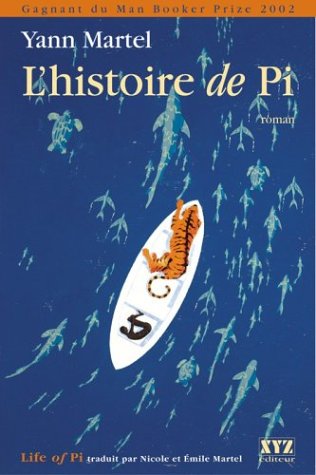
by Yann Martel
This novel is a profound meditation on the nature of truth and the necessity of stories to survive hardship. Fans of Rushdie will appreciate the vibrant, imaginative prose and the central argument that the 'better story' is often the one that holds the most meaning.

This book is a beautifully written, satirical, and melancholic fairy tale that deconstructs the tropes of the genre while remaining deeply magical. It shares the same wit and meta-fictional awareness as Haroun, making it a perfect match for readers who enjoy stories about stories.

Murakami’s work often feels like a fever dream, blending the surreal with the everyday in a way that is both confusing and deeply compelling. Readers who loved the bizarre logic and imaginative leaps in Haroun will find much to admire in this labyrinthine, magical journey.

Haroun is clearly indebted to the surreal, nonsense-filled logic of Wonderland, where language is a toy and reality is malleable. This classic is the ultimate ancestor to Rushdie’s style, offering a similar blend of satire, wordplay, and dream-logic adventure.

Love to read on the go?
Explore Kindle e-readers and take your books with you.
As an Amazon Associate, we earn from qualifying purchases.
As an Amazon Associate, we earn from qualifying purchases.