

Based on your book
History of Cartography
by Leo Bagrow
History of Cartography by Leo Bagrow isn't just a book; it's an invitation to step back in time and marvel at how humanity first tried to make sense of its world. This isn't a story of scientific breakthroughs, but a visual and intellectual journey through the artistry and craft of early mapmaking, from its beginnings up to the 18th century. You'll spend time poring over stunning illustrations, tracing the evolution of these visual documents that were once as much art as they were science. It's a deeply reflective experience, showing how maps mirrored cultural understanding and human aspiration before they became purely technical tools. If you're a reader who appreciates historical deep dives, finds beauty in the intersection of art and knowledge, and enjoys analytical explorations of how we've always tried to chart the unknown, this book offers a profound and beautiful look at our collective past.
10 Books similar to 'History of Cartography'
If History of Cartography sparked your intellectual curiosity about how we've always tried to chart our world, then we have more explorations for you. For those who appreciate the historical deep dive into how maps reflect human culture and knowledge, Jerry Brotton's A History of the World in 12 Maps offers a similarly insightful journey. If you enjoyed the analytical look at the evolution of understanding, you might find yourself drawn to the focused scientific problem-solving in Dava Sobel's Longitude, or the grand intellectual synthesis of Sapiens, exploring how humanity makes sense of its existence. These recommendations share that same spirit of uncovering the stories behind how we visualize and comprehend our world.
As an Amazon Associate, we earn from qualifying purchases.

This book offers a more narrative-driven yet equally insightful journey through cartographic history, focusing on pivotal maps and their cultural, political, and scientific contexts. Fans of Bagrow will appreciate its intellectual depth and the way it connects maps to broader human endeavors and worldviews.
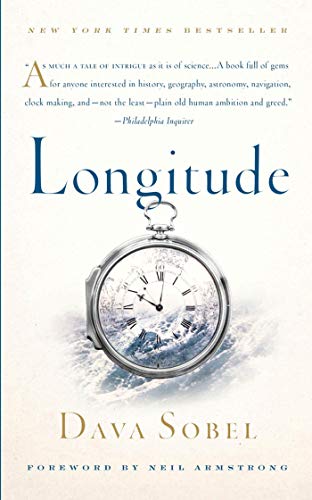
by Dava Sobel
This compelling narrative delves into a specific, crucial scientific problem—determining longitude at sea—and the ingenious solution that revolutionized navigation and map accuracy. Readers who enjoy the detailed scientific and historical aspects of cartography will find this an engaging and focused exploration of a related challenge.

Focusing on the creation of the first geological map of England, this book highlights how a single cartographic achievement can fundamentally alter scientific understanding and human perception of the world. It shares Bagrow's spirit of exploring the profound impact of maps on knowledge and society.

While broader in scope, "Sapiens" provides a grand intellectual narrative of human history, exploring how our ability to create shared fictions and understand our world (including through maps) shaped our development. Fans of Bagrow's comprehensive and analytical approach to human knowledge will appreciate its ambitious synthesis.

Love to read on the go?
Explore Kindle e-readers and take your books with you.
As an Amazon Associate, we earn from qualifying purchases.

by Carl Sagan
Sagan's classic takes readers on an awe-inspiring journey through the history of scientific discovery, astronomy, and humanity's quest to understand its place in the universe. It resonates with the intellectual curiosity and grand scope found in Bagrow's exploration of how we map and comprehend our physical world.

by Tim Jeal
This book immerses readers in the dramatic human stories behind the mapping and exploration of one of the world's most elusive geographical features. It provides a thrilling, character-driven look at the drive for discovery that underpins much of cartographic history, appealing to the adventurous side of map enthusiasts.
Winchester masterfully recounts the arduous process of discovering and mapping North America's interior, blending geographical history with the tales of the intrepid individuals who literally put the continent on the map. This book offers a detailed, engaging exploration of the practical challenges and triumphs of cartography.
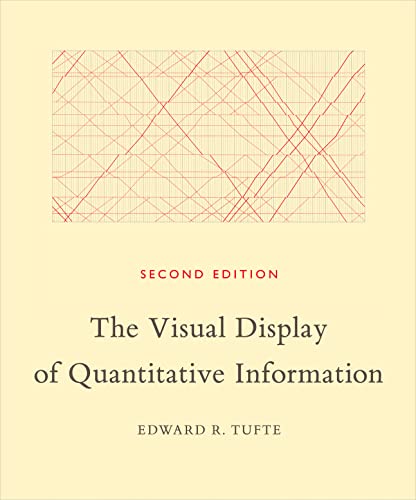
by Edward Tufte
This seminal work, while focused on data visualization principles, is rich with historical examples of effective and ineffective information design, including maps. It offers a deep analytical dive into how visual representations, like maps, convey knowledge, appealing to the intellectual rigor of Bagrow's readers.

Diamond's Pulitzer-winning work offers a sweeping, analytical history of human societies, explaining the geographical and environmental factors that shaped their development. It provides a grand, intellectual framework for understanding the world that complements Bagrow's detailed focus on how we represent that world.

This book explores the fervent era of scientific discovery and exploration during the Romantic period, highlighting the passionate individuals who pushed the boundaries of knowledge. It captures the human drive for understanding and charting the unknown, a core theme that resonates with the spirit of cartographic history.

Not sure what they've already read?
Let them pick their next favorite with an Amazon Gift Card.
As an Amazon Associate, we earn from qualifying purchases.
As an Amazon Associate, we earn from qualifying purchases.