

Based on your book
Hollywood
by Jeanine Basinger
Jeanine Basinger does not just catalog movies; she dissects the industrial machine that made them. This book serves as a patient, authoritative examination of the studio system, tracing how Hollywood functioned as both a factory and a cultural factory. You get a clear-eyed look at the moguls, the contract players, and the rigid hierarchies that dictated what reached the screen and what was left on the cutting room floor. The prose is grounded and analytical, avoiding the tawdry gossip that often litters film history in favor of a thoughtful, structural perspective on how the industry actually worked. It feels like taking a graduate-level seminar from a professor who truly loves the medium. This is for the reader who wants to understand the mechanics behind the magic and prefers historical context over simple celebrity biography.
10 Books similar to 'Hollywood'
Since you enjoyed the structural deep dive in Hollywood, these selections were curated to satisfy your interest in the collision between creative ambition and corporate reality. Whether you are looking for the gritty, granular detail of a single production gone wrong or a panoramic view of the changing studio landscape, these titles share Basinger’s commitment to showing exactly how the industry operates. They focus on the same themes of institutional power, the transition of eras, and the often brutal cost of stardom, offering a broader context for the history you have just explored.
As an Amazon Associate, we earn from qualifying purchases.

Like Basinger's work, this is a seminal text on film history that captures the transition from the silent era to sound with incredible depth. It provides the same scholarly rigor and archival passion that makes Hollywood history feel vital and immediate.

This book offers a gritty, behind-the-scenes look at the New Hollywood era of the 1970s, mirroring Basinger's interest in how the industry's power structures shape the art produced. It is essential reading for understanding the shift from the studio system to the auteur-driven chaos that followed.

This is perhaps the definitive account of a studio production gone wrong, providing a granular, fly-on-the-wall perspective that complements Basinger's broader historical analysis. Fans of the 'how the sausage is made' aspect of Hollywood history will find this deeply compelling.

by Mark Harris
Harris masterfully chronicles the 1967 Oscar race to explain the death of the old studio system and the birth of modern cinema. It matches Basinger's ability to use a specific lens to tell a much larger, sweeping story about cultural and industrial evolution.

Not sure what they've already read?
Let them pick their next favorite with an Amazon Gift Card.
As an Amazon Associate, we earn from qualifying purchases.
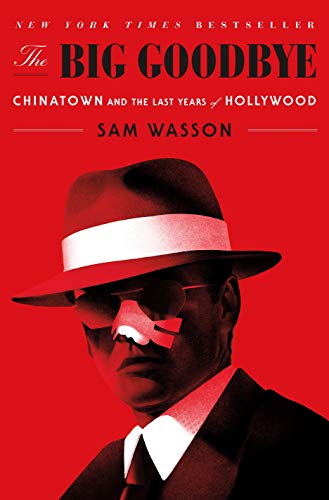
by Sam Wasson
Focusing on the making of Chinatown, this book serves as a perfect companion to Basinger's analysis of the studio system's decline. It is a deeply researched, atmospheric narrative that captures the collision of art, ego, and corporate structure.

This book provides a vivid, panoramic portrait of Hollywood during its golden age (1940-1950), capturing the same era Basinger explores with such expertise. It excels at weaving together the lives of stars, moguls, and the political climate of the time.

by Mark Harris
This narrative history explores the intersection of Hollywood and World War II, showing how the industry responded to global crisis. It shares Basinger's talent for contextualizing film history within the broader framework of American society and politics.

While a novel, this is widely considered the most accurate fictional portrayal of the ruthless ambition inherent in the Hollywood studio system. It provides a narrative counterpart to Basinger's non-fiction analysis, capturing the 'vibe' of the industry's darker side.
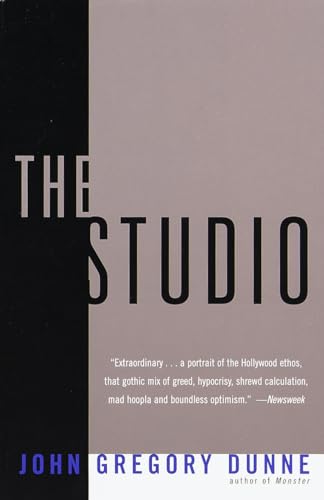
Dunne spent a year inside 20th Century Fox in the late 1960s, documenting the day-to-day operations of a major studio. It is a classic piece of immersion journalism that aligns perfectly with Basinger's interest in the mechanics and bureaucracy of filmmaking.
by Lorna Luft
This book offers an intimate look at the studio system's impact on its greatest talents, providing a personal, emotional counterpoint to Basinger's systemic analysis. It is a heartbreaking but necessary look at the cost of the Hollywood dream.

Prefer to listen?
Try Audible and hear the story instead of reading it.
As an Amazon Associate, we earn from qualifying purchases.
As an Amazon Associate, we earn from qualifying purchases.