

Based on your book
Holy Men of the Electromagnetic Age
by Raphael Cormack
Raphael Cormack's Holy Men of the Electromagnetic Age transports you to the interwar period, a time when new scientific discoveries collided with an intense hunger for the mystical. It's a meticulously researched historical deep dive, revealing the forgotten stories of figures like Tahra Bey and Dr. Dahesh, who captivated audiences across continents as 'holy men' of a new, electric age. You'll experience the thrill of uncovering a hidden world where spiritualism, science, and showmanship intertwined, creating a unique cultural phenomenon. The reading is thought-provoking and analytical, making you ponder how belief systems form and spread, and what anxieties these figures tapped into. This book is for readers who love intellectual history, cultural analysis, and a good historical mystery that sheds light on the enduring human quest for meaning beyond the visible.
10 Books similar to 'Holy Men of the Electromagnetic Age'
If Cormack's exploration of belief systems and charismatic figures in a time of change resonated with you, our recommendations continue that journey. We've curated titles that share the book's deep dive into cultural analysis and historical mystery, from the origins of spiritualism to contemporary parallels in the study of UFOs. Whether you're drawn to the analytical rigor of understanding how belief shapes society, the social commentary inherent in questioning the unexplained, or simply the allure of forgotten narratives, these books will satisfy your curiosity about the hidden worlds that influence our understanding of reality.
As an Amazon Associate, we earn from qualifying purchases.

by D.W. Pasulka
This book offers a contemporary parallel to Cormack's work by exploring how modern technology and belief systems intersect, focusing on the cultural phenomenon of UFOs. It delves into the creation of new myths and spiritual narratives in a technologically advanced age, much like how spiritualism adapted to the electromagnetic era.

by Ruth Brandon
This is a direct historical companion, providing a detailed account of the spiritualist movement in the 19th century, a period central to Cormack's book. It examines the figures, practices, and societal impact of spiritualism, offering a rich context and deeper dive into the world Cormack introduces.

by Carl Sagan
While broader, Sagan's work provides a crucial counterpoint and analytical framework for understanding the appeal of pseudoscience and spiritual claims. Fans of Cormack's intellectual rigor will appreciate Sagan's defense of scientific inquiry against the very phenomena Cormack historically documents.

This satirical masterpiece blends the supernatural with sharp social and political commentary, featuring a mysterious, charismatic figure who challenges established beliefs. Its blend of the magical and the philosophical, with a critical eye on society, will appeal to readers who enjoyed Cormack's intellectual exploration of belief systems.

Not sure what they've already read?
Let them pick their next favorite with an Amazon Gift Card.
As an Amazon Associate, we earn from qualifying purchases.

This novel, though seemingly different, offers a profound, reflective, and almost spiritual exploration of tradition, mastery, and the passing of an era, much like Cormack's examination of a specific cultural phenomenon. It shares a contemplative, intellectual depth and a focus on the 'holy men' of an art form.

by Andrea Wulf
This biography, while not about spiritualism, is a masterful historical deep dive into a figure who revolutionized scientific thought and influenced how people perceived the interconnectedness of the natural world. It shares the historical, intellectual, and analytical rigor, showing how grand ideas shape culture.

by James Randi
Randi's work provides an essential skeptical perspective on paranormal claims and the methods of charlatans, offering a robust, investigative, and often witty counterpoint to the belief systems explored in Cormack's book. It dissects the 'holy men' and their tricks with analytical precision.
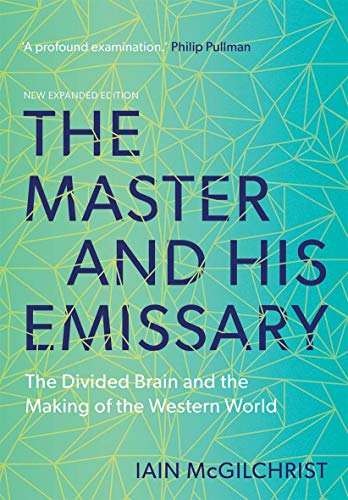
This highly intellectual non-fiction book offers a grand, analytical narrative on how different modes of attention have shaped Western thought, culture, and belief systems throughout history. Its philosophical depth and historical scope will appeal to readers who appreciate Cormack's intellectual approach to understanding how we construct reality.
This biography delves into the life and cultural context of Edgar Allan Poe, whose works often explored the mysterious, psychological, and the unknown, reflecting the era's fascination with the dark and unexplained. It offers a historical and psychological exploration of a key figure influencing the atmosphere of the spiritualist age.

by J.M. Coetzee
This novel, while fiction, is a profound psychological and philosophical exploration of grief, identity, and the search for meaning, set against the backdrop of Dostoevsky's life. It delves into the inner world of a complex figure grappling with profound questions, echoing the intellectual and introspective depth found in Cormack's examination of belief and human motivation.

Prefer to listen?
Try Audible and hear the story instead of reading it.
As an Amazon Associate, we earn from qualifying purchases.
As an Amazon Associate, we earn from qualifying purchases.