

Based on your book
Home Away from Home
by Masciandaro, Franco
Franco Masciandaro offers a rigorous examination of the psychological and metaphysical weight of displacement. By centering on the exile of Dante Alighieri, the book moves beyond simple biography to interrogate the very concept of home as a construct of the human spirit. The prose is dense, patient, and deeply intellectual, requiring a reader who enjoys sitting with complex ideas rather than rushing toward a conclusion. You will feel as though you are participating in a long, quiet conversation with a professor who is more interested in the architecture of longing than in facts alone. This is not light reading; it is a contemplative exercise in understanding how we map our identities onto the places we inhabit. If you find yourself drawn to existential philosophy or the intersection of literature and the human condition, this book will provide a substantial, grounding experience.
10 Books similar to 'Home Away from Home'
If Masciandaro left you craving further exploration into the architecture of belonging, these selections bridge the gap between academic theory and the visceral experience of alienation. We chose these titles because they echo the book's preoccupation with the outsider perspective and the fluidity of identity. Whether you want to ground your inquiry in the classical foundations of Homer and Dante or expand into the modern, political essays of Edward Said, these works collectively examine how we navigate the tension between memory and displacement. They serve as a roadmap for anyone questioning the meaning of home.
As an Amazon Associate, we earn from qualifying purchases.

As the primary subject of Masciandaro's analysis, reading Dante's original masterpiece is essential for understanding the foundational themes of exile and the search for home. This epic poem provides the direct source material for the concepts of displacement and spiritual homecoming discussed in the recommendation's source text.

by Eli Clare
This work explores the intersection of identity and displacement, mirroring Masciandaro's examination of how one defines 'home' when feeling alienated from societal norms. It offers a powerful, contemporary analysis of what it means to belong, resonating with the scholarly depth of the original text.

Calvino's meditative, lyrical exploration of imagined cities serves as a perfect companion to discussions about the metaphysical and emotional landscapes of home. It captures the same intellectual curiosity regarding how we construct our sense of place and belonging through memory and narrative.
Rushdie's essays on migration and the 'imaginary homelands' of the displaced writer align perfectly with Masciandaro's focus on the literature of exile. It provides a modern, critical lens on the struggle to maintain identity when separated from one's origins.

Love to read on the go?
Explore Kindle e-readers and take your books with you.
As an Amazon Associate, we earn from qualifying purchases.

by Homer
The archetypal story of the journey home, this classic provides the essential framework for understanding the longing and obstacles inherent in the return. It is the literary root of the very themes Masciandaro dissects in his academic work.
This memoir deeply explores the emotional resonance of leaving one's home and the subsequent lifelong process of redefining belonging. It mirrors the personal and academic inquiry found in Masciandaro's work, bridging the gap between historical displacement and personal identity.

For readers who appreciated the scholarly rigor of Masciandaro's analysis, this biography offers a comprehensive look at the life of the poet who defined the literature of exile. It connects the historical reality of Dante's banishment to the thematic concerns of his writing.

Pessoa’s fragmented, introspective work captures the internal sense of displacement and alienation that Masciandaro explores in his studies. It is a profound meditation on the self as an 'outsider' even within one's own life, echoing the philosophical weight of the original text.
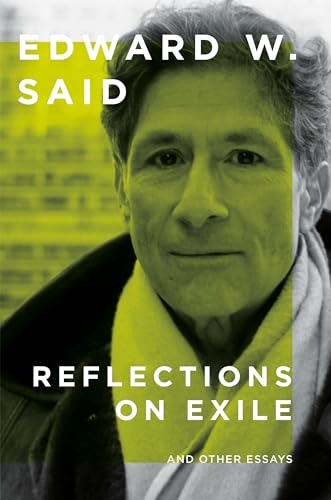
Said provides the definitive modern intellectual framework for understanding the condition of exile, making this essential reading for anyone interested in the themes of Masciandaro's book. It elevates the discussion of 'home' to a global, political, and cultural necessity.

This classic work of phenomenology examines how our intimate spaces—houses, rooms, and drawers—shape our consciousness and sense of self. It is a perfect thematic partner for Masciandaro, as it explores the 'home' not just as a location, but as a psychological structure.

Not sure what they've already read?
Let them pick their next favorite with an Amazon Gift Card.
As an Amazon Associate, we earn from qualifying purchases.
As an Amazon Associate, we earn from qualifying purchases.