

Based on your book
Home Away from Home
by Woititz, Janet Geringer
Janet Geringer Woititz approaches the concept of home not as a physical address, but as an internal landscape shaped by our formative years. If you grew up in a household where stability was a stranger, you likely carry a persistent sense of displacement into your adult life. This book serves as a compassionate guide for those who feel like perpetual outsiders, even when they are safe. Woititz avoids clinical detachment, opting instead for a reflective, conversational tone that feels like sitting down with someone who finally understands why you struggle to put down roots. The pacing is gentle but steady, designed to help you dismantle the survival mechanisms that no longer serve you. It is essential reading for anyone ready to stop searching for belonging in external places and start building a foundation of security within themselves.
10 Books similar to 'Home Away from Home'
Since Home Away from Home helps you identify the psychological blueprint of your upbringing, these picks are curated to help you renovate that foundation. If this book resonated with your need for self-discovery, titles like Adult Children of Alcoholics and The Body Keeps the Score offer the necessary framework to understand why your nervous system reacts the way it does. We have gathered these works because they bridge the gap between recognizing childhood patterns and actively healing the resulting toxic shame and boundary struggles, moving you from a state of mere survival toward true personal empowerment.
As an Amazon Associate, we earn from qualifying purchases.

As the foundational work by the same author, this book provides the essential theoretical framework that informs Home Away from Home. Readers looking to deepen their understanding of the specific behavioral patterns and emotional legacies discussed in her later work will find this indispensable.
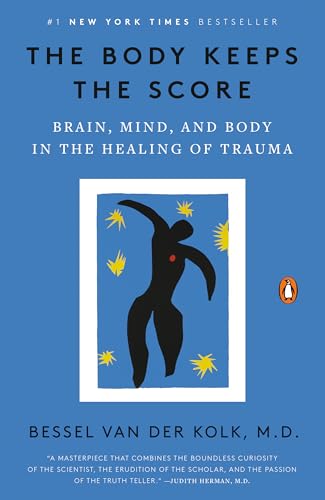
This groundbreaking book explains the physiological impact of trauma, which is a critical underlying theme in Woititz's work on family dysfunction. It offers a scientific yet deeply compassionate look at how we can heal from the past and reclaim our sense of 'home' within ourselves.

Beattie's classic text is the perfect companion to Woititz's research, focusing on the relational patterns that often stem from growing up in dysfunctional environments. It provides practical, actionable advice for those trying to break free from the cycles of caretaking and self-neglect.

by Jonice Webb
Webb explores the invisible wounds of childhood emotional neglect, a concept that deeply resonates with the themes of alienation and internal homelessness found in Woititz's writing. It is an essential read for understanding why you might feel disconnected from your own emotions.

Prefer to listen?
Try Audible and hear the story instead of reading it.
As an Amazon Associate, we earn from qualifying purchases.

by Alice Miller
Miller's seminal work examines how the suppression of true feelings in childhood leads to adult struggles with identity and self-worth. Readers who appreciated Woititz's focus on the 'hidden' impact of parenting styles will find Miller's psychological insights profound and transformative.

by Mark Wolynn
Wolynn takes the conversation about family trauma to the generational level, exploring how inherited patterns affect our lives today. It complements Woititz's work by expanding the scope of how we define the 'home' we come from and the baggage we carry.

Focusing on the specific, often subtle damage of narcissistic parenting, this book addresses the core feelings of inadequacy that Woititz often touches upon. It provides a clear roadmap for validation and healing for those who felt like outsiders in their own homes.

by Henry Cloud
Woititz's work often highlights the difficulty of setting boundaries for those raised in chaotic environments, and this book serves as the perfect practical manual for that struggle. It helps readers build the structure necessary to create a healthy 'home' within their personal relationships.

Bradshaw explores the 'toxic shame' that often plagues children of dysfunctional families, a key emotional motif in Woititz's writing. This book is a powerful deep dive into self-acceptance and the process of shedding the false identities we create to survive.

by Pete Walker
Walker provides a comprehensive guide to understanding the lingering effects of childhood trauma, which is the clinical reality behind the 'home' issues discussed by Woititz. It is a highly practical, empathetic resource for anyone looking to move beyond survival mode.

Love to read on the go?
Explore Kindle e-readers and take your books with you.
As an Amazon Associate, we earn from qualifying purchases.
As an Amazon Associate, we earn from qualifying purchases.