
Based on your book
Homo Roboticus
by Rob Armstrong
Homo Roboticus invites you on a profound intellectual journey, starting with a premise that might just shift how you see yourself: much of what we do, from mundane tasks to complex decisions, is handled by a kind of biological autopilot. Rob Armstrong explores the idea that deep within us operates a "robotic" self, a fascinating concept that makes you question the very nature of consciousness and free will. The book unfolds like a philosophical detective story, meticulously piecing together evidence from human experience and history to trace humanity's evolution from this autopilot state to self-awareness. It's a deeply thought-provoking read, packed with information that feels both academic and intimately personal, pushing you to ponder the mysteries of your own mind. If you're someone who loves to grapple with big questions about existence, identity, and what it truly means to be human, prepare for a captivating quest.
10 Books similar to 'Homo Roboticus'
If Rob Armstrong's exploration of our inner "Homo Roboticus" sparked your curiosity about the boundaries of human consciousness and the future of our species, we have more for you. Many of our recommendations, like Homo Deus and Life 3.0, dive headfirst into the profound implications of advanced AI and biotechnology, pushing you to consider where humanity is headed. Others, such as I, Robot and Do Androids Dream of Electric Sheep?, explore the philosophical questions of what defines 'human' when artificial intelligences become indistinguishable from us, echoing the deep self-discovery at the heart of Armstrong's book. These selections all grapple with the existential questions of fate versus free will in an increasingly technological world.
As an Amazon Associate, we earn from qualifying purchases.
Harari continues his ambitious exploration of humanity's past and future, directly addressing the rise of AI, biotechnology, and the potential for humans to become 'gods' through technological advancement. Fans of Armstrong's analytical and speculative approach to the future of humanity and technology will find this a profound and challenging read.
by Max Tegmark
Tegmark, an MIT professor, offers a comprehensive and accessible exploration of AI's potential impacts on society, from the near-term future to the far reaches of cosmic evolution. This book directly tackles the questions of consciousness, ethics, and the future of life with advanced AI, echoing Armstrong's deep dive into robotics and human-machine interaction.
by Nick Bostrom
Bostrom meticulously examines the profound implications of creating superintelligent AI, exploring the various paths to its development, the existential risks it poses, and strategies for managing its power. Readers who appreciate Armstrong's serious and detailed consideration of the future challenges posed by advanced technology will find this a crucial and deeply unsettling read.

by Isaac Asimov
This foundational collection of short stories explores the ethical dilemmas and unforeseen consequences of advanced robotics through the lens of Asimov's famous Three Laws. Fans of 'Homo Roboticus' will appreciate the imaginative yet logical exploration of human-robot interaction and the philosophical questions surrounding artificial intelligence.

Prefer to listen?
Try Audible and hear the story instead of reading it.
As an Amazon Associate, we earn from qualifying purchases.

Set in a post-apocalyptic world where humans struggle to distinguish between real animals and lifelike androids, this novel delves deep into the nature of empathy, humanity, and artificial consciousness. Readers drawn to Armstrong's exploration of what defines 'human' in an age of advanced machines will find Dick's philosophical and psychological questions compelling.

Told from the perspective of an Artificial Friend, Klara, this novel offers a poignant and intimate look at AI, human connection, and the search for meaning in a technologically advanced society. Readers who appreciate a more character-driven and emotional exploration of AI's impact on humanity, similar to the underlying human questions in 'Homo Roboticus,' will be deeply moved.
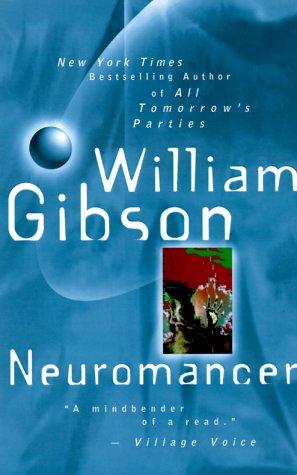
This seminal cyberpunk novel plunges readers into a gritty future of cyberspace, artificial intelligences, and human-machine interfaces, exploring the boundaries of consciousness and identity. Fans of 'Homo Roboticus' interested in the practical and philosophical implications of advanced technology merging with human experience will find Gibson's vision both prescient and thrilling.
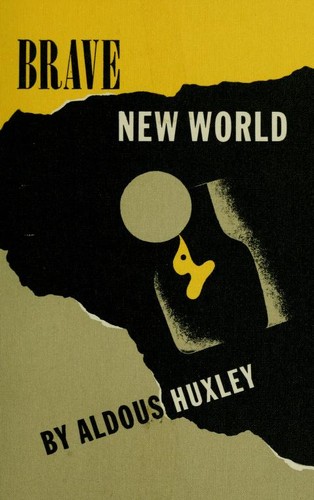
Huxley's classic dystopian novel envisions a future society where technology and conditioning are used to control every aspect of human life, from birth to death, ensuring stability at the cost of freedom and individuality. Readers who appreciate 'Homo Roboticus''s critical examination of technology's potential for societal manipulation will find this a chilling and thought-provoking parallel.

Harari tackles the most pressing global challenges of our time, including the rise of AI, big data, and technological disruption, offering a framework for understanding and navigating the complexities of the modern world. This book provides a broader but equally analytical and thought-provoking perspective on technology's impact on humanity, resonating with the themes in 'Homo Roboticus.'

by Mary Shelley
The original tale of scientific ambition and the creation of artificial life, 'Frankenstein' explores the ethical responsibilities of creators and the consequences of abandoning one's creations. Fans of 'Homo Roboticus' will appreciate this foundational narrative's timeless questions about playing God, the nature of humanity, and the societal implications of technological advancement.

Love to read on the go?
Explore Kindle e-readers and take your books with you.
As an Amazon Associate, we earn from qualifying purchases.
As an Amazon Associate, we earn from qualifying purchases.