

Based on your book
How cycling can save the world
by Peter Walker
Peter Walker's How Cycling Can Save the World isn't just about bicycles; it's a deeply engaging argument for how a simple invention can profoundly reshape our cities and lives for the better. Walker takes us on a journey through places like Copenhagen, showing how prioritizing the bicycle can genuinely reduce pollution, improve public health, and foster stronger, more connected communities. The reading experience is genuinely thought-provoking and surprisingly optimistic. You'll find yourself seeing your own neighborhood with new eyes, pondering how small shifts in infrastructure can lead to big improvements in quality of life. It feels like a hopeful blueprint for a more connected, healthier future, backed by solid research and compelling examples. This is for anyone curious about urban transformation, sustainable living, or simply looking for an inspiring, solutions-focused read that champions human-scaled design.
10 Books similar to 'How cycling can save the world'
If Peter Walker's vision for human-scaled cities resonated deeply with you, these recommendations will continue that journey. Each book explores how thoughtful urban design can transform communities and improve well-being, moving beyond car-centric models. You'll find kindred spirits here, delving into the powerful connection between our physical environments and our collective happiness, all while maintaining that inspiring, solutions-oriented tone you appreciated. These reads champion the idea that healthier, more connected cities are not just possible, but essential.
As an Amazon Associate, we earn from qualifying purchases.

by Janette Sadik-Khan and Seth Solomonow
This book offers a practical and inspiring look at how cities can be transformed to prioritize people over cars, much like Walker's vision for cycling. Readers will appreciate the concrete examples and actionable strategies for making urban spaces more livable and sustainable.

Montgomery explores the fascinating connection between urban design and human happiness, echoing Walker's themes of how physical environments impact well-being. It delves into how walkable and bikeable cities foster joy, community, and health, making it a perfect companion read.

by Jeff Speck
Speck makes a compelling case for the benefits of walkability in urban planning, a concept deeply intertwined with the advantages of cycling. Fans of 'How cycling can save the world' will find similar arguments for sustainable urban development and the revitalization of communities.

Vanderbilt offers a deep dive into the psychology and sociology of traffic, providing crucial context for why alternatives like cycling are so vital. This book will appeal to readers who enjoy Walker's analytical approach to understanding human behavior and infrastructure.

Not sure what they've already read?
Let them pick their next favorite with an Amazon Gift Card.
As an Amazon Associate, we earn from qualifying purchases.
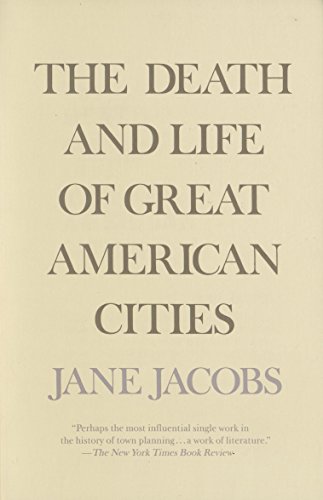
by Jane Jacobs
A foundational text in urban planning, Jacobs passionately advocates for human-scaled cities and vibrant public spaces, which inherently support walking and cycling. Readers who appreciate Walker's vision for community-centric urban design will find Jacobs' insights timeless and profound.

While not solely about cycling, Klinenberg's work explores the crucial role of public spaces and social infrastructure in building stronger, more equitable communities. It shares Walker's hopeful and analytical tone regarding how thoughtful design can foster social good.
by John Pucher and Ralph Buehler
This book provides a rigorous, evidence-based examination of the connection between transportation policy, public health, and urban design, with a strong emphasis on active transport. It offers a deeper dive into the policy aspects that complement Walker's more accessible narrative.

by Carlton Reid
Reid offers a fascinating historical and contemporary look at the rise, fall, and resurgence of cycling, providing a rich context for Walker's arguments. Readers will enjoy the blend of historical detail and hopeful vision for the future of urban cycling.

Hayden explores how urban landscapes shape our lives and histories, and how communities can reclaim and reshape them. This aligns with the transformative potential of cycling that Walker discusses, encouraging readers to see cities as dynamic spaces for human agency.

Solnit's work, while focused on disaster, shares a profound optimism about human cooperation and the potential for collective action to build better societies. Readers interested in Walker's broader themes of social change and community resilience will find this thought-provoking and inspiring.

Prefer to listen?
Try Audible and hear the story instead of reading it.
As an Amazon Associate, we earn from qualifying purchases.
As an Amazon Associate, we earn from qualifying purchases.