

Based on your book
HOW DID THAT HAPPEN?
by Power, M.J.
M.J. Power takes a scalpel to the messy intersection of personal accountability and systemic failure in How Did That Happen? Rather than offering a dry autopsy of economic collapse, the book functions as a mirror, forcing readers to confront the moral compromises that lead to catastrophic outcomes. The prose is analytical and measured, moving with the precision of a detective uncovering a cold case. You will find yourself pausing frequently, not just to absorb the complex financial mechanics, but to question the underlying human impulses that drive institutional rot. This is a quiet, cerebral read that prioritizes deep observation over dramatic flair. It is a perfect match for the reader who values intellectual rigor and is interested in the intersection of individual choices and the broader, often invisible, forces that shape our world.
10 Books similar to 'HOW DID THAT HAPPEN?'
When selecting books to pair with How Did That Happen?, I focused on works that treat financial systems as human dramas rather than just sets of numbers. If you appreciated the way Power highlights the intersection of greed and systemic failure, you will find similar investigative depth in The Smartest Guys in the Room and Bad Blood. These titles share a common focus on institutional hubris and the moral dilemmas inherent in high-stakes environments. Each recommendation serves as an extension of the themes explored in Power's work, prioritizing sharp social commentary and the cold reality of corporate consequences.
As an Amazon Associate, we earn from qualifying purchases.
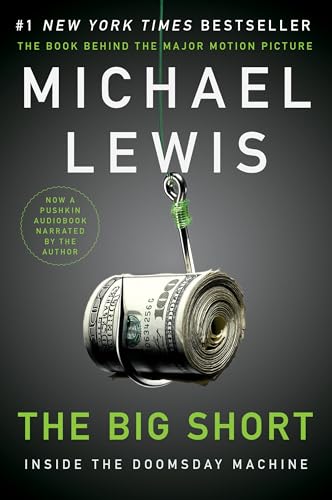
Like Power’s work, this book provides a gripping, behind-the-scenes look at the financial crisis, focusing on the eccentric characters who saw the collapse coming. It masterfully breaks down complex economic systems into a narrative that is both infuriating and deeply compelling.

This book offers an exhaustive, play-by-play account of the 2008 financial meltdown, mirroring the investigative depth found in 'How Did That Happen?'. It excels at humanizing the massive, often opaque, decisions made by powerful figures during a global crisis.

Fans of Power's exploration of corporate failure will appreciate this investigative masterpiece about the rise and fall of Theranos. It highlights similar themes of unchecked ambition, systemic deception, and the catastrophic consequences of corporate hubris.

by Bethany McLean and Peter Elkind
This definitive account of the Enron scandal shares the same DNA as 'How Did That Happen?' by dissecting how greed and institutional rot can dismantle massive entities. It is a cautionary tale that remains as relevant today as it was during the financial crisis.

Prefer to listen?
Try Audible and hear the story instead of reading it.
As an Amazon Associate, we earn from qualifying purchases.

If you enjoyed the technical yet accessible breakdown of market mechanics in Power's book, you will find 'Flash Boys' equally enlightening. It exposes the hidden, rigged nature of high-frequency trading with the same investigative rigor found in 'How Did That Happen?'.

by Bethany McLean and Joe Nocera
This book digs deeper into the systemic origins of the 2008 crash, aligning perfectly with the investigative scope of 'How Did That Happen?'. It provides a broader context for the failures of the banking industry, making it an essential companion read.

by Tom Wright and Bradley Hope
This narrative non-fiction reads like a thriller, detailing one of the largest financial heists in history, much like the systemic theft and mismanagement described by Power. It masterfully explores how greed operates on a global, institutional scale.

by David Enrich
Focusing on the LIBOR scandal, this book exposes the rot at the heart of the global banking system with a narrative voice that is both sharp and observational. Readers who valued Power's critique of financial institutions will find this equally compelling.

by David Dayen
This book focuses on the human cost of the housing crisis and the foreclosure machine, offering a necessary perspective on the aftermath of the events Power describes. It combines investigative journalism with a focus on the victims of systemic financial failure.
by Chris Cleave
While this is a fictionalized account of the financial crisis, it captures the atmospheric tension and the moral bankruptcy of the era with striking accuracy. It serves as a perfect tonal match for readers who want to feel the emotional weight behind the economic data in 'How Did That Happen?'.

Love to read on the go?
Explore Kindle e-readers and take your books with you.
As an Amazon Associate, we earn from qualifying purchases.
As an Amazon Associate, we earn from qualifying purchases.