

Based on your book
How Does the Ear Hear?
by Stewart, Melissa
Melissa Stewart approaches the mechanics of hearing with the precision of a lab technician and the clarity of a seasoned educator. Rather than rushing through anatomy, the book lingers on the specific, physical journey sound waves take from the outer ear to the brain. It is an analytical, observant look at a process we usually take for granted, breaking down the ear into its component parts with a steady, intellectual pace. The writing feels like a quiet, well-lit classroom where the goal is deep understanding rather than quick facts. This is for the reader who values technical accuracy and wants to understand the machinery behind their own senses. If you prefer your science served with a side of quiet contemplation and clear, logical steps, this book will satisfy your curiosity without feeling overwhelming.
10 Books similar to 'How Does the Ear Hear?'
If the methodical approach of Stewart's work resonated with you, these titles offer a broader look at the same biological curiosity. We selected these books because they share a commitment to making complex anatomy accessible, whether through David Macaulay's precise illustrations or Mary Roach's witty, analytical deep dives. Whether you are seeking the interactive, hands-on feel of See Inside Your Body or the comprehensive, conversational tour provided by Bill Bryson, these picks bridge the gap between simple observation and a deeper, more sophisticated understanding of how our internal systems actually function.
As an Amazon Associate, we earn from qualifying purchases.

by Joanna Cole
Like Stewart's work, this classic uses a fun, accessible narrative to explain complex biological systems to young readers. It excels at breaking down intricate scientific processes into memorable, bite-sized concepts.
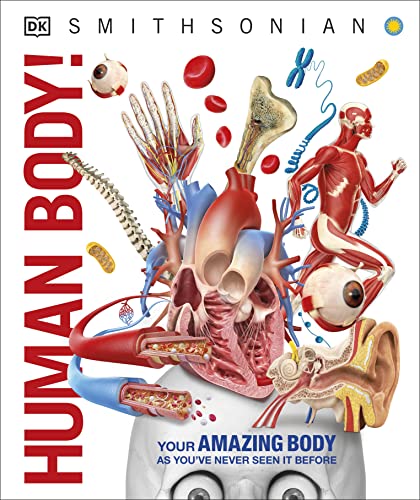
by DK
This book offers a similar focus on human anatomy but utilizes stunning visuals and analytical diagrams to satisfy curious minds. It pairs perfectly with Stewart's approach by providing a deeper, observational look at how our internal systems function.

by Mary Roach
For readers who enjoyed the biological focus of Stewart's book but are ready for a more mature, witty exploration of the human body. It maintains an informative tone while diving into the fascinating, often gross, realities of human digestion.

by Bill Bryson
Bryson provides a comprehensive, highly readable tour of human anatomy that mirrors the clarity found in Stewart's writing. It is perfect for those who want to understand the 'how' and 'why' of their own biology in a conversational style.
Love to read on the go?
Explore Kindle e-readers and take your books with you.
As an Amazon Associate, we earn from qualifying purchases.

This book shares the same pedagogical goal as Stewart's: making invisible, complex scientific phenomena understandable for younger audiences. It uses beautiful illustrations and simple language to explain the unseen world around us.

by Katie Daynes
This interactive book provides a tactile, engaging experience for learning about anatomy, much like Stewart's book does through clear text. It is designed to satisfy the same curiosity about how our senses and organs work.
Winston explores the wonders of the human body and the scientific method with the same enthusiasm found in Stewart's work. It encourages readers to ask questions about their own biology and the world around them.

Featuring a unique, character-led approach to anatomy, this book makes learning about the body feel like an exciting journey. It matches the accessible, educational tone that fans of Stewart's work appreciate.

Macaulay's detailed illustrations and clear explanations provide a masterclass in making complex systems understandable. It is a fantastic follow-up for anyone who wants to see the 'machinery' of the body explained with precision and style.

This book uses a humorous, slightly edgy tone to teach biology, proving that science education can be fun and memorable. It shares the same goal as Stewart's book: making the biological functions of the body engaging and easy to grasp.

Not sure what they've already read?
Let them pick their next favorite with an Amazon Gift Card.
As an Amazon Associate, we earn from qualifying purchases.
As an Amazon Associate, we earn from qualifying purchases.