

Based on your book
How I Killed Pluto and Why It Had It Coming
by Brown, Mike
Mike Brown never set out to be the man who demoted Pluto. He just wanted to find the tenth planet. This memoir tracks his obsessive hunt through the Kuiper Belt, a slow-motion detective story that eventually forced the scientific community to redefine what a planet actually is. You get a raw look at the politics, the tedious data analysis, and the genuine thrill of discovery that happens long before the press release. Brown writes with a dry, self-deprecating humor that makes the high-stakes world of astronomy feel surprisingly intimate. It reads less like a dry textbook and more like a conversation with a colleague who happens to be a planetary genius. If you enjoy stories about the messy, human side of scientific breakthroughs or simply want to understand why your childhood solar system models are technically wrong, this is for you.
10 Books similar to 'How I Killed Pluto and Why It Had It Coming'
Since you enjoyed the blend of humor and scientific rigor in Brown's memoir, these picks were curated to satisfy that same itch for discovery. We chose these titles because they treat science as a deeply human, often chaotic endeavor rather than a series of cold facts. Whether you are looking for the same witty, observational tone found in Mary Roach's work or the historical obsession with planetary anomalies seen in The Hunt for Vulcan, these books share that rare ability to pull back the curtain on the people behind the world-changing data.
As an Amazon Associate, we earn from qualifying purchases.

Like Mike Brown's work, this book combines rigorous scientific exploration with a narrative focus on the human endeavor behind discovery. It captures the wonder of our solar system while providing an accessible, behind-the-scenes look at the missions and scientists that have shaped our understanding of space.

by Mary Roach
Mary Roach shares Mike Brown's witty, irreverent, and highly engaging narrative voice, making complex scientific topics feel personal and hilarious. It explores the strange, often overlooked realities of space travel with the same curiosity and charm found in Brown's memoir.
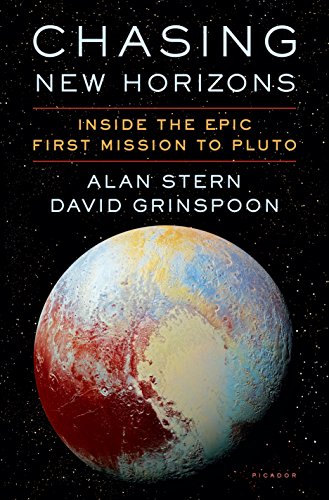
by Alan Stern and David Grinspoon
This book offers the perfect companion perspective to Brown's work, detailing the intense, decades-long effort to reach the very planet Brown helped 'demote.' It provides a fascinating, firsthand account of the scientific persistence and political maneuvering required for deep-space exploration.

by Dava Sobel
Fans of the scientific history and personal narrative in Brown's book will appreciate this look at the unsung heroes of astronomy. It balances detailed historical research with the personal stories of discovery, much like Brown's own journey of finding Eris.

Not sure what they've already read?
Let them pick their next favorite with an Amazon Gift Card.
As an Amazon Associate, we earn from qualifying purchases.

If you enjoyed the accessible, conversational tone Mike Brown used to explain planetary science, you will enjoy Tyson's ability to distill complex cosmic concepts into digestible, witty insights. It shares the same passion for making the universe understandable to the layperson.

by Bill Bryson
Bryson’s masterpiece matches the scope and curiosity of Brown’s work, turning the history of science into a compelling, humorous, and deeply human story. Both authors excel at demystifying the scientific process and highlighting the eccentric personalities behind great breakthroughs.

by Sam Kean
Kean writes about chemistry with the same narrative flair that Brown uses for astronomy, focusing on the human drama, rivalries, and oddities behind scientific discovery. It is an excellent choice for readers who enjoy 'how things work' stories told through a personal, character-driven lens.

by Carl Sagan
Sagan’s classic is the gold standard for blending scientific rigor with philosophical wonder, a tone that resonates deeply with the spirit of Mike Brown's memoir. Readers who loved the sense of awe in Brown's descriptions of the Kuiper Belt will find it in abundance here.

This book mirrors the 'behind the scenes' aspect of Brown's memoir, focusing on the essential, overlooked contributors to space exploration. It provides a gripping, fact-based narrative about overcoming institutional obstacles to achieve scientific success.
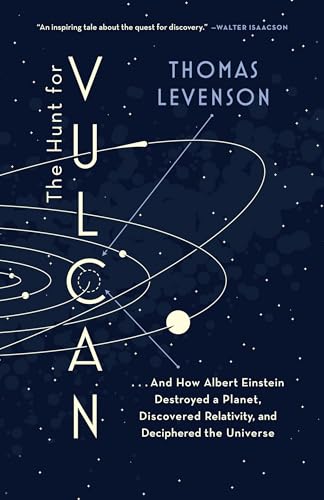
This narrative history of a 'lost' planet shares a fascinating structural similarity to Brown's book about Pluto. It explores the scientific obsession, the slow accumulation of evidence, and the eventual paradigm shift that changed our understanding of the solar system.

Prefer to listen?
Try Audible and hear the story instead of reading it.
As an Amazon Associate, we earn from qualifying purchases.
As an Amazon Associate, we earn from qualifying purchases.