

Based on your book
How Life Imitates Chess
by Garry Kasparov
Garry Kasparov treats life not as a series of random events, but as a complex board where every decision carries weight. He pulls from his decades of experience as a world champion to strip away the mystery of high-stakes pressure, showing how to break down challenges into manageable, strategic moves. The prose is sharp and clinical, reflecting the mind of a man who spent his life calculating ten steps ahead. You will not find fluff here; instead, you get a rigorous look at how to evaluate risks, manage your own psychology, and learn from your inevitable losses. This is the perfect pick for anyone who feels overwhelmed by the noise of modern work and wants to replace reactive habits with a deliberate, analytical framework for growth.
10 Books similar to 'How Life Imitates Chess'
If the systematic intensity of Kasparov’s worldview felt like a breakthrough, these titles will help you build out your personal toolkit further. We selected these books because they share a common obsession with the mechanics of human performance and the architecture of success. Whether you are exploring the cognitive biases found in Thinking, Fast and Slow or the disciplined focus championed in Deep Work, each recommendation treats personal growth as a strategic endeavor. These authors move beyond mere theory, offering you practical ways to sharpen your decision-making and navigate the unpredictable nature of your own goals.
As an Amazon Associate, we earn from qualifying purchases.

Like Kasparov's work, this book dissects the mechanics of decision-making and cognitive bias, offering a profound look at how we think. It appeals to the same analytical mind that seeks to understand the underlying patterns of success and failure.

This book serves as a perfect companion to Kasparov's philosophy, translating complex game theory concepts into practical strategies for real-world scenarios. It shares the same focus on anticipating opponents and making calculated, high-stakes decisions.

Greene explores the path to greatness through historical case studies, mirroring Kasparov's use of chess history to illustrate broader truths about leadership and expertise. Both books argue that excellence is a result of disciplined, strategic practice rather than luck.

by Nate Silver
For readers who enjoyed Kasparov's focus on probability and strategic foresight, Silver's exploration of prediction and data offers a similar rigorous intellectual challenge. It highlights the difficulty of making decisions in uncertain environments, much like a high-stakes chess match.

Prefer to listen?
Try Audible and hear the story instead of reading it.
As an Amazon Associate, we earn from qualifying purchases.
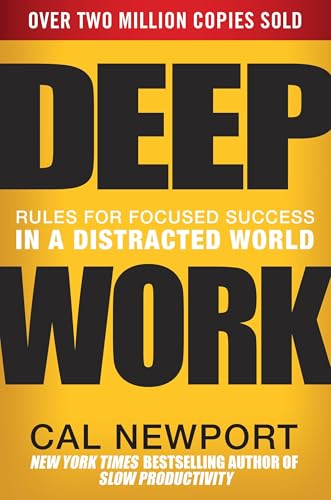
by Cal Newport
Newport’s work resonates with the intense focus required in professional chess, advocating for deep, concentrated effort as the key to high-level output. Fans of Kasparov will appreciate the emphasis on disciplined cognitive habits and strategic life management.

by Walter Tevis
While a work of fiction, this novel captures the psychological intensity and high-stakes atmosphere of professional chess that Kasparov writes about. It provides a narrative lens through which to view the same themes of ambition, obsession, and strategic brilliance.

by Ray Dalio
Dalio applies a systematic, almost algorithmic approach to life and business success, echoing Kasparov's belief that life can be modeled and mastered through clear principles. It is essential reading for anyone who views their professional life as a strategic game.

by Sun Tzu
The ultimate source material for strategic thought, this classic provides the foundational wisdom that Kasparov builds upon. Readers will find the same timeless insights into conflict, preparation, and the importance of knowing one's opponent.
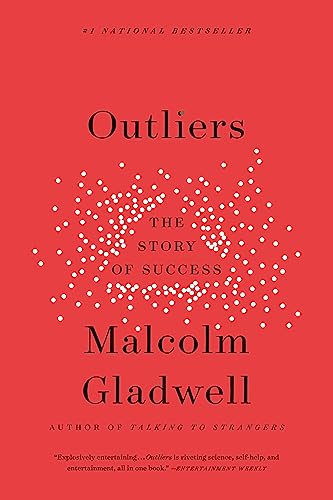
Gladwell examines the hidden factors behind success, challenging the 'self-made' myth in a way that complements Kasparov's own reflections on his rise as a grandmaster. It is a compelling look at the environment, practice, and luck required to reach the top of any field.

Taleb's work on uncertainty and the unpredictability of major events provides a necessary counterpoint to the calculated world of chess strategy. It challenges the reader to think about the limits of planning and the importance of resilience in an chaotic world.

Love to read on the go?
Explore Kindle e-readers and take your books with you.
As an Amazon Associate, we earn from qualifying purchases.
As an Amazon Associate, we earn from qualifying purchases.