
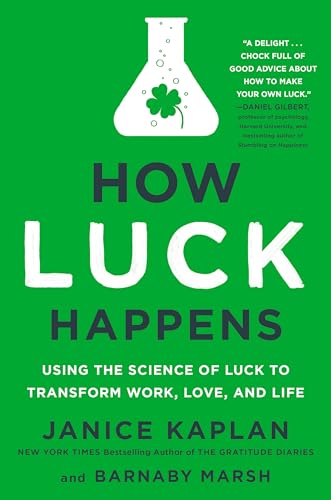
Based on your book
How Luck Happens
by Kaplan, Janice
We often treat luck like a lightning strike—an unpredictable, divine intervention that favors the chosen few. Janice Kaplan dismantles this myth by arguing that luck is not a random occurrence, but a skill set you can cultivate. Through a blend of social science, interviews, and cultural analysis, the book shifts the focus from passive waiting to active preparation. The writing is accessible and grounded, avoiding hollow motivational tropes in favor of a pragmatic, analytical framework. It feels like a long, thoughtful conversation with a mentor who wants to demystify your own trajectory. If you are the type of reader who enjoys deconstructing the mechanics of success and wants to stop leaving your future to chance, this book provides the tools to build your own luck surface area. It is a grounding, empowering read that bridges the gap between fate and personal agency.
10 Books similar to 'How Luck Happens'
Once you have finished How Luck Happens, you will likely want to keep exploring the intersection of agency and environment. Our curated list was built to satisfy that specific hunger for evidence-based self-improvement. Books like The Luck Factor and Range share Kaplan's fascination with how we position ourselves for success, while titles like Grit and Atomic Habits offer the practical, behavioral counterpoints to the role of chance. Whether you are interested in the psychology of mindset or the cold, hard data behind how we achieve our goals, these selections expand on the themes of intentionality and personal growth.
As an Amazon Associate, we earn from qualifying purchases.

Like 'How Luck Happens,' this book deconstructs the conventional wisdom surrounding success, arguing that external factors and timing play a much larger role than we often admit. It shares a similar analytical approach to understanding the 'hidden' forces that shape our lives.
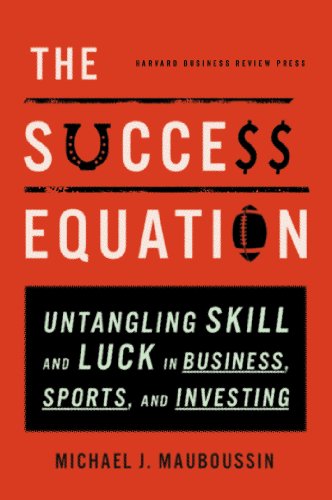
This book provides a rigorous, data-driven look at the interplay between skill and luck, making it a perfect companion for readers who appreciated the scientific perspective of Kaplan and Marsh. It helps readers distinguish between what they can control and what is simply the roll of the dice.

Dweck explores how our beliefs about our abilities—fixed versus growth mindsets—impact our success, echoing the theme in 'How Luck Happens' that mindset is a crucial component of navigating life's random events. It is an empowering read that focuses on actionable psychological shifts.

While 'How Luck Happens' focuses on the role of luck, Duckworth provides the vital counter-balance by examining the role of sustained effort. Fans of Kaplan will appreciate this evidence-based exploration of what actually drives achievement beyond mere chance.

Not sure what they've already read?
Let them pick their next favorite with an Amazon Gift Card.
As an Amazon Associate, we earn from qualifying purchases.

Taleb takes a slightly more cynical but equally fascinating look at how we misinterpret luck as skill. It is a deeper, more philosophical dive into the same subject matter that Kaplan and Marsh explore, perfect for readers who want to challenge their perception of reality.

Epstein argues that broad experience and adaptability are often the keys to success in a complex world, aligning with the idea that 'luck' is often just being prepared for unexpected opportunities. It shares the same accessible, research-backed narrative style as 'How Luck Happens.'

by Meg Jay
This book applies the principles of intentional living to a specific life stage, much like how Kaplan applies them to the concept of luck. It emphasizes that taking charge of your circumstances—rather than waiting for luck—is the key to a successful life.

by James Clear
Clear focuses on the small, incremental changes that lead to massive results, providing the practical 'how-to' for the mindset discussed in 'How Luck Happens.' It is an essential read for anyone looking to increase their 'luck surface area' through consistent, intentional action.

by Adam Grant
Grant explores how people can generate and champion new ideas, often by creating their own luck through unconventional thinking. Readers who enjoyed the social psychology aspects of Kaplan's work will find this exploration of creativity and risk-taking highly engaging.

This is perhaps the most direct thematic cousin to 'How Luck Happens,' as Wiseman conducted actual scientific studies on what makes people 'lucky.' It is a fascinating, accessible read that demystifies the concept of luck and provides practical tips to become luckier.

Prefer to listen?
Try Audible and hear the story instead of reading it.
As an Amazon Associate, we earn from qualifying purchases.
As an Amazon Associate, we earn from qualifying purchases.