

Based on your book
How Migration Really Works
by Hein de Haas
Hein de Haas takes on the overwhelming noise surrounding migration, offering a rigorously researched counter-narrative to popular myths. He systematically dismantles widespread beliefs about mass movements, showing with data and historical context that migration isn't the chaotic crisis often portrayed, but a deeply complex, often cyclical human phenomenon. Reading this feels like sitting down with an expert who patiently walks you through decades of evidence, challenging every assumption you thought you knew. It's an analytical journey that requires your full attention, but rewards you with a profound, clear-eyed understanding of the true drivers, impacts, and policy implications of human movement. If you're tired of simplistic headlines and want to genuinely grasp the intricacies of one of our most defining global issues, and you appreciate a book that makes you think critically and deeply, this is an essential read.
10 Books similar to 'How Migration Really Works'
If you found yourself captivated by How Migration Really Works, you'll appreciate our curated list for their similar commitment to intellectual rigor. We chose these books because they, like de Haas, peel back layers of misconception to reveal the true mechanisms of society, whether through data-driven debunking of myths, deep dives into historical power dynamics, or by illuminating the profound human stories behind large-scale movements. They all share that thoughtful, analytical approach to understanding our world, offering perspectives that are both challenging and incredibly enlightening.
As an Amazon Associate, we earn from qualifying purchases.
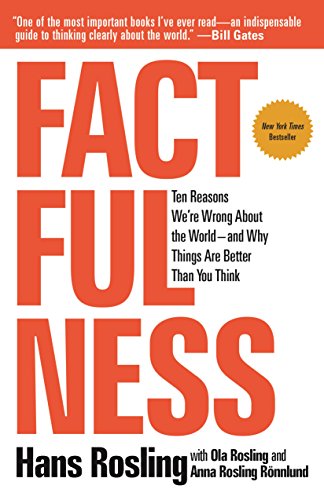
by Hans Rosling, Ola Rosling, and Anna Rosling Rönnlund
Like Hein de Haas, Rosling challenges common misconceptions with data-driven insights, offering a more nuanced and often optimistic view of global trends. Readers who appreciate 'How Migration Really Works' for its evidence-based debunking of myths will find 'Factfulness' equally enlightening and intellectually stimulating.

by Abhijit V. Banerjee and Esther Duflo
This book employs a rigorous, evidence-based approach to understanding complex global issues, much like de Haas's work on migration. It dissects the realities of poverty and proposes practical, data-backed solutions, appealing to readers who value analytical depth and policy-oriented insights.

While more narrative, this Pulitzer Prize-winning book provides a profound historical and human-centered exploration of internal migration within the U.S. It complements de Haas's analytical framework by illustrating the personal stories and societal impacts behind migration patterns, offering both emotional depth and informative context.
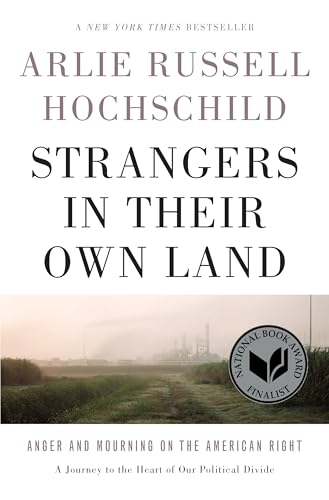
Hochschild's ethnographic study delves into the cultural and economic 'migration' of people feeling left behind by societal changes. It offers a deep, empathetic analysis of complex social divisions, echoing de Haas's commitment to understanding the multifaceted drivers and perceptions surrounding human movement and societal shifts.

Love to read on the go?
Explore Kindle e-readers and take your books with you.
As an Amazon Associate, we earn from qualifying purchases.

Harari's sweeping historical analysis of humanity provides a grand intellectual context for understanding large-scale human movements and societal organization, including early forms of migration. Readers who appreciate de Haas's broad, analytical perspective on human behavior and societal structures will find 'Sapiens' equally captivating.

This deeply researched book exposes the systemic issues behind housing insecurity and internal displacement, offering a granular look at the economic forces affecting where people live. Its rigorous analysis and focus on policy implications will resonate with readers who value the data-driven, critical perspective of 'How Migration Really Works'.

This classic novel, while fiction, offers a powerful and emotional portrayal of internal migration driven by economic hardship during the Dust Bowl. It provides a humanizing complement to de Haas's analytical work, illustrating the profound personal and social costs of forced displacement and the resilience of those seeking a better life.
by Brian DeLay
DeLay's historical deep dive into the complex origins and evolution of the US-Mexico border offers a crucial, nuanced understanding of a key migration corridor. Like de Haas, he challenges simplistic narratives and provides rich historical context, appealing to readers interested in the intricate historical and political forces shaping migration.
by Andre Perry, David Harshbarger, and Jonathan Rothwell
This contemporary analysis of internal migration patterns within the Black American community provides a data-driven and policy-focused examination of human movement. Its rigorous, evidence-based approach and focus on societal impact make it a strong companion for readers who appreciate the analytical style and relevance of de Haas's work.

by Daron Acemoglu and James A. Robinson
This book offers a grand, analytical theory on the institutional factors that drive national success or failure, often touching upon conditions that influence human movement and development. Its broad scope, intellectual rigor, and focus on underlying systemic causes will appeal to readers who enjoy de Haas's comprehensive and critical approach to global issues.

Not sure what they've already read?
Let them pick their next favorite with an Amazon Gift Card.
As an Amazon Associate, we earn from qualifying purchases.
As an Amazon Associate, we earn from qualifying purchases.