

Based on your book
How Not to Be Wrong
by Jordan Ellenberg
Jordan Ellenberg’s How Not to Be Wrong isn't a math textbook; it's an invitation to see the world with clearer eyes. This book unpacks how mathematical thinking, far from being abstract and dull, is actually a potent superpower for understanding everything from daily dilemmas to massive social trends. Ellenberg’s voice is wonderfully witty and refreshingly direct, making complex ideas feel like a lively chat with a brilliant friend. You’ll find yourself nodding along, empowered to question assumptions and spot the hidden logic in everything around you. It’s a genuinely thought-provoking read for anyone who loves peeling back the layers of cultural analysis, enjoys a good intellectual challenge, and wants to sharpen their common sense with a powerful, logical edge.
10 Books similar to 'How Not to Be Wrong'
If Ellenberg’s witty exploration of how math illuminates our world resonated deeply with you, then you're in for a treat with these next recommendations. We’ve handpicked books that similarly empower readers to cut through noise and critically examine information. You’ll find authors who, like Ellenberg, blend sharp intellectual insight with accessible storytelling, whether they’re dissecting the quirks of human decision-making, revealing the hidden structures behind social phenomena, or simply showing how logical thinking can make sense of everyday chaos. These selections offer more of that satisfying feeling of seeing the world with newfound clarity.
As an Amazon Associate, we earn from qualifying purchases.
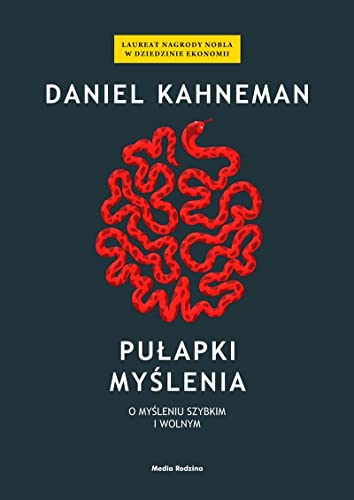
Like Ellenberg, Kahneman explores the hidden biases and cognitive shortcuts that lead us to incorrect conclusions. It provides a deep, intellectual dive into the mechanics of human thought and decision-making with a similarly analytical yet accessible tone.
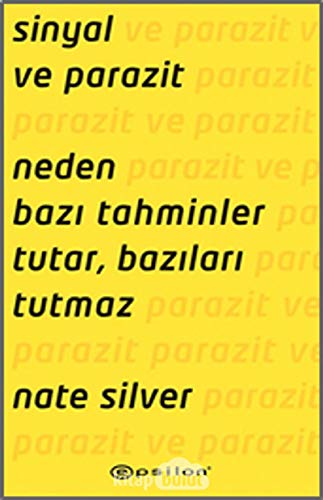
by Nate Silver
This book shares the same fascination with using mathematical models to navigate uncertainty in the real world. Silver's witty and observational style mirrors Ellenberg's ability to make complex statistical concepts engaging and relevant to daily life.
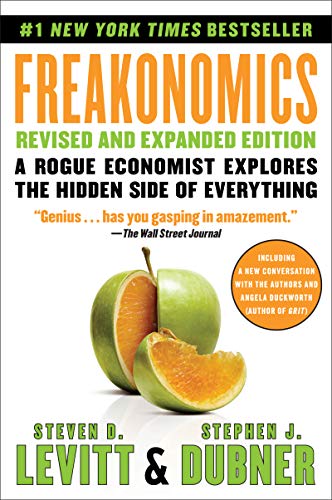
by Steven D. Levitt and Stephen J. Dubner
Both books use the lens of data and logic to challenge conventional wisdom and uncover the 'hidden side' of everything. It matches the quirky, fast-paced, and revelatory nature of Ellenberg's storytelling.

by Brian Christian and Tom Griffiths
This work bridges the gap between computer science and human intuition, much like how Ellenberg bridges math and common sense. It offers practical, philosophical insights into how mathematical principles can solve everyday human dilemmas.

Not sure what they've already read?
Let them pick their next favorite with an Amazon Gift Card.
As an Amazon Associate, we earn from qualifying purchases.

Mlodinow explores the role of randomness in our lives with a narrative voice that is as charming and humorous as Ellenberg's. It helps readers understand the mathematical underpinnings of chance and why our intuitions often fail us.
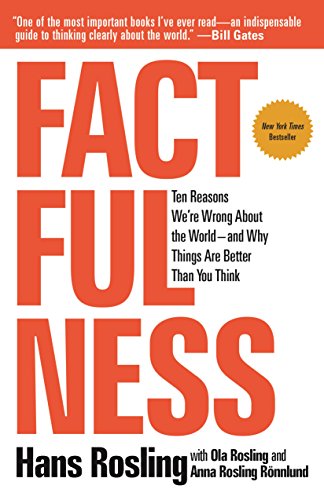
by Hans Rosling
Rosling uses data to provide a more optimistic and realistic view of the world, countering the 'wrong' perceptions we often hold. Fans of Ellenberg will appreciate the clear-eyed, evidence-based approach to understanding global trends.

While more cynical and intense in tone, Taleb’s exploration of unpredictable events and the limitations of statistics complements Ellenberg’s work perfectly. It challenges the reader to think critically about the 'math' of the real world.
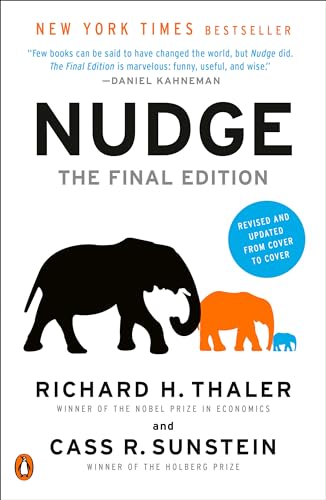
by Richard H. Thaler and Cass R. Sunstein
This book focuses on how small changes in how choices are presented can influence behavior, utilizing the same logic-driven social analysis found in Ellenberg’s writing. It is highly informative and focuses on practical applications of theory.

Munroe uses serious scientific and mathematical answers to solve absurd hypothetical questions. It captures the same playful, witty, and intellectually curious 'vibe' that makes Ellenberg's book so delightful to read.
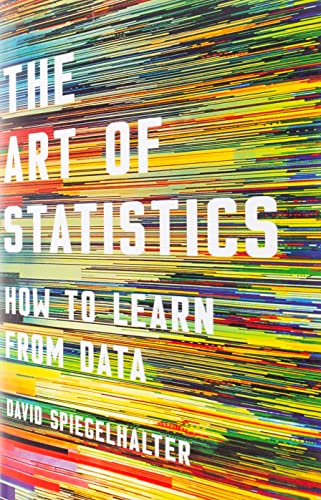
Spiegelhalter focuses on the power of data to tell stories and the importance of statistical literacy. It mirrors Ellenberg's mission to empower readers to see through misleading numbers and think more clearly about the world.

Prefer to listen?
Try Audible and hear the story instead of reading it.
As an Amazon Associate, we earn from qualifying purchases.
As an Amazon Associate, we earn from qualifying purchases.