

Based on your book
How Prime Ministers Decide
by NA
How Prime Ministers Decide strips away the veneer of statesmanship to reveal the raw, often messy machinery of executive power. Instead of focusing on ideological legacy, the book examines the cognitive habits, structural pressures, and personal biases that dictate how a leader navigates a crisis. The prose is clinical and observant, treating high-stakes governance as a series of intricate psychological and systemic puzzles. You feel the weight of the room in every chapter, sensing the narrow margins between a successful policy and a catastrophic miscalculation. It is a slow-burn intellectual exercise that demands your full attention, perfect for the reader who prefers cold analysis over partisan narratives. If you have ever wondered why intelligent people often make disastrous choices under pressure, this book provides the framework to understand the architecture of their decision-making process.
10 Books similar to 'How Prime Ministers Decide'
If this deep dive into the mechanics of leadership left you wanting more, our curated list explores the same intersection of human fallibility and institutional power. We selected these titles because they bridge the gap between abstract policy and the visceral, often chaotic reality of life inside the halls of government. Whether you are interested in the granular diary entries of political insiders or the broader historical patterns that define a premiership, these books mirror the analytical rigor and behind-the-scenes tension found in the original text, providing a complete map of political influence.
As an Amazon Associate, we earn from qualifying purchases.

As a primary source from one of Britain's most influential Prime Ministers, this memoir provides the same granular look at high-stakes decision-making found in Stewart's work. Readers interested in the mechanics of power and the pressures of leadership will appreciate this firsthand account of the challenges faced at the highest levels of government.

This diary offers an unparalleled, day-by-day look at the inner workings of the Blair administration, mirroring the 'behind-the-curtain' perspective of How Prime Ministers Decide. It captures the frantic pace, internal conflicts, and strategic calculations that define modern political leadership.
by Iain Dale
This comprehensive volume provides biographical sketches of every British Prime Minister, offering a broader historical context that complements Stewart's thematic analysis. It is essential reading for anyone looking to understand the evolution of the office and the diverse personalities who have occupied it.

While focused on the United States, this book explores the critical, often invisible role of the Chief of Staff, paralleling the analysis of how decision-making structures function in a democracy. It provides a fascinating comparative study for those interested in the machinery of executive power.

Not sure what they've already read?
Let them pick their next favorite with an Amazon Gift Card.
As an Amazon Associate, we earn from qualifying purchases.

Wilson's memoirs provide a classic look at the complexities of governing during the 1960s and 70s, offering a similar 'insider' tone to Stewart's analysis. Readers will enjoy the candid reflections on the crises, economic pressures, and party management that defined his premiership.
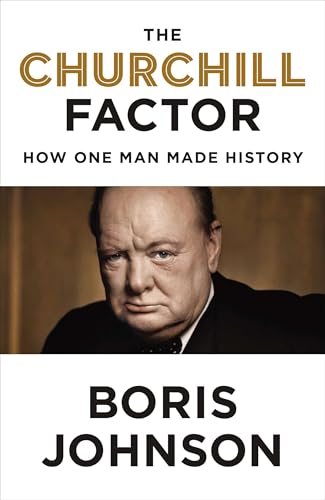
This book examines the leadership style and decision-making processes of Winston Churchill, a figure who looms large in any study of British Prime Ministers. It offers a blend of historical analysis and character study that aligns well with the thematic focus of Stewart's work.

by Carl Bernstein and Bob Woodward
Though focused on investigative journalism, this book captures the high-stakes, high-pressure environment of the Nixon administration and the consequences of executive decision-making. Its narrative tension and focus on political accountability will resonate with readers who enjoy the 'political thriller' aspect of governance.

by Alan Watkins
Watkins provides a sharp, analytical look at the British political system and the path to leadership, serving as a perfect companion to understanding the 'how' behind the Prime Minister's office. His commentary on party dynamics and the nature of political power is both insightful and historically grounded.

This book explores the terrifying complexity of decision-making systems regarding nuclear weapons, offering a chilling parallel to the high-stakes, catastrophic potential of political decision-making. Fans of Stewart's analysis of how leaders manage crisis will find this examination of systemic risk deeply compelling.

by John Preston
This narrative non-fiction account of the Jeremy Thorpe affair exposes the intersection of personal life and political power in British history. It provides a gripping, atmospheric look at the fragility of political careers, echoing the themes of reputation and decision-making found in Stewart's work.

Prefer to listen?
Try Audible and hear the story instead of reading it.
As an Amazon Associate, we earn from qualifying purchases.
As an Amazon Associate, we earn from qualifying purchases.