

Based on your book
How Soon Is Now?
by Richard King
How Soon Is Now? plunges you headfirst into the fervent, often chaotic, world of independent record labels that sprung up in the UK after punk. Richard King meticulously charts how a generation, armed with a powerful DIY ethos but often little else, built an entire cultural movement from scratch, giving birth to iconic labels like Factory and Rough Trade. Reading this feels like an intimate, behind-the-scenes tour, full of the outsized personalities, the fierce passions, and the sheer bloody-mindedness that allowed truly unique artists to flourish outside the mainstream. It’s an inspiring, thought-provoking historical deep dive perfect for anyone fascinated by cultural rebellion, the power of independent spirit, or the untold stories behind the music that changed a generation.
10 Books similar to 'How Soon Is Now?'
For those who devoured How Soon Is Now? and found themselves energized by its exploration of passion and rebellion in music, our recommendations continue that journey. We've selected books that share its spirit of cultural analysis and behind-the-scenes deep dives into transformative eras. Whether you're keen to understand the punk roots that shaped the indie ethos, eager for more underdog stories of artists forging their own path, or looking for parallel historical accounts of independent music scenes, you'll find compelling reads here. These titles collectively illuminate the vibrant, often unruly, history of how music finds its own voice.
As an Amazon Associate, we earn from qualifying purchases.

This book is a definitive cultural history of the post-punk era, directly preceding and overlapping with the indie scene explored in 'How Soon Is Now?'. Readers will appreciate Reynolds's meticulous research, analytical depth, and ability to dissect a complex musical and social movement with intellectual rigor and a keen sense of its lasting impact.

by Jon Savage
To understand the DIY ethos and independent spirit of the 80s indie scene, one must understand its punk roots. Savage's seminal work offers an exhaustive and insightful look into the birth and impact of punk rock, providing crucial context and a similar deep dive into a pivotal UK youth culture.

For readers who enjoyed 'How Soon Is Now?'s exploration of the UK indie scene, this book offers a compelling parallel by chronicling the rise of the American indie underground. It shares themes of artistic integrity, the struggle against commercialism, and the unique stories of bands forging their own path.

by Legs McNeil and Gillian McCain
This raw and unfiltered oral history captures the anarchic spirit and cultural impact of punk, a movement whose influence is deeply felt in the 80s indie scene. Fans of King's book will appreciate the authentic voices and behind-the-scenes look at a counter-cultural phenomenon, presented with a similar focus on a specific subculture.

Love to read on the go?
Explore Kindle e-readers and take your books with you.
As an Amazon Associate, we earn from qualifying purchases.
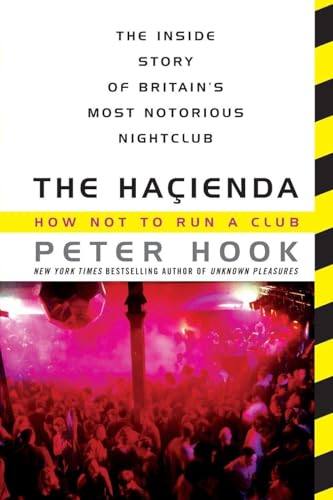
by Peter Hook
As an insider's account from a member of New Order (Factory Records), this book offers a personal and often chaotic look at The Hacienda, a club central to the UK indie and dance scene of the era. It provides a unique, gritty perspective on the cultural hub that shaped much of the music discussed in 'How Soon Is Now?'.

Building on the reflective and analytical tone of 'How Soon Is Now?', Reynolds's 'Retromania' delves into the broader phenomenon of pop culture's constant recycling of its past. This book offers a fascinating, intellectual critique that resonates with the historical and cultural analysis present in King's work.

by Jon Savage
Joy Division was a seminal band of the post-punk era, deeply influential to the indie scene. This oral history provides an intimate, multi-perspective look at their formation, impact, and tragic end, offering a focused cultural deep dive that fans of 'How Soon Is Now?' will find equally compelling and poignant.

by John Higgs
This book explores the enigmatic and iconoclastic band The KLF, who emerged from the UK's late 80s/early 90s scene with a radical anti-establishment ethos. It shares 'How Soon Is Now?'s fascination with unconventional artistic movements and their cultural provocations, offering a quirky and philosophical examination of their impact.
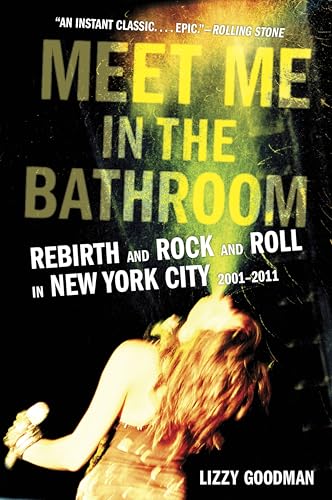
While set in a different era and location, this book mirrors 'How Soon Is Now?' in its comprehensive oral history approach to a specific music scene (New York's early 2000s indie rock). It captures the energy, ambition, and cultural shifts of a pivotal musical moment, appealing to those who enjoy deep dives into subcultures.

Though a work of fiction, 'Generation X' is a foundational text for understanding the cultural anxieties and perspectives of the generation that came of age during the indie era. Its cynical, satirical, and deeply reflective social commentary on consumerism, identity, and subculture offers a thematic resonance with the intellectual engagement of King's non-fiction.

Not sure what they've already read?
Let them pick their next favorite with an Amazon Gift Card.
As an Amazon Associate, we earn from qualifying purchases.
As an Amazon Associate, we earn from qualifying purchases.