
Based on your book
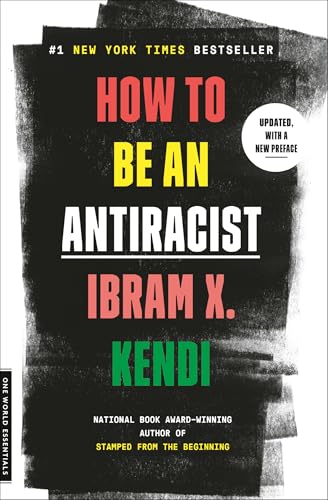
How to Be an Antiracist
by Kendi, Ibram X.
Kendi shifts the conversation away from the passive idea of being not racist toward the active, constant practice of being an antiracist. The book weaves his personal evolution with a rigorous breakdown of how policies and ideas shape our reality. You will not find a gentle guide here; instead, you get a sharp, analytical framework that forces you to examine your own complicity in systemic power dynamics. It feels like a long, challenging conversation with a mentor who refuses to let you off the hook. The pacing is deliberate, designed to dismantle your assumptions one by one until you are left with a new vocabulary for understanding identity. This is for the reader who is tired of abstract theories and wants a concrete, intellectual toolkit for participating in the ongoing work of structural change.
10 Books similar to 'How to Be an Antiracist'
For those who found Kendi's call to action both necessary and demanding, these ten titles extend that intellectual rigor into new territory. We selected these books because they bridge the gap between systemic analysis and personal accountability. Whether you are looking for the historical foundations provided by Stamped from the Beginning or the practical, daily self-interrogation found in Me and White Supremacy, this collection explores the intersection of power, identity, and policy. These authors collectively refuse to accept the status quo, offering the same uncompromising commitment to truth that makes Kendi's work so vital for our current cultural moment.
As an Amazon Associate, we earn from qualifying purchases.

Like Kendi's work, this seminal text provides a rigorous, systemic analysis of how policy and law perpetuate racial inequality in the United States. It is essential reading for anyone seeking to understand the structural roots of modern racial injustice.

by Ijeoma Oluo
Oluo offers a practical, accessible, and deeply honest guide to navigating conversations about race, mirroring Kendi's goal of moving beyond theory into tangible action. It serves as a perfect companion piece for readers looking to apply antiracist principles in their daily lives.

Wilkerson masterfully reframes American history by identifying an unspoken caste system that shapes our society, providing a structural lens similar to Kendi's definition of antiracism. Her narrative style is both deeply researched and emotionally resonant.

This is the historical foundation upon which 'How to Be an Antiracist' is built, offering a deep dive into the origins of the very ideas Kendi seeks to dismantle. Readers who appreciated the intellectual rigor of his later work will find this historical context indispensable.

Love to read on the go?
Explore Kindle e-readers and take your books with you.
As an Amazon Associate, we earn from qualifying purchases.

Written as a letter to his son, Coates's work provides a visceral, personal, and philosophical perspective on the Black experience in America. While more memoir-focused than Kendi's, it shares the same urgent, uncompromising commitment to truth-telling regarding systemic racism.
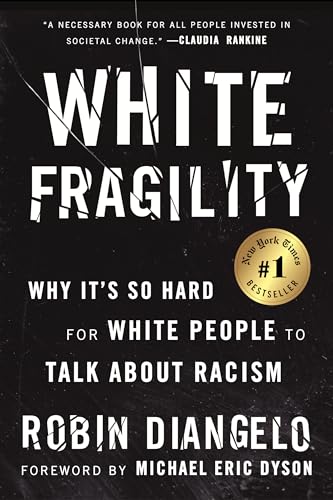
DiAngelo focuses specifically on the psychological barriers that prevent white people from engaging in antiracist work, complementing Kendi's broader systemic focus. It challenges the reader to engage in the same level of self-reflection Kendi demands.

A timeless classic that serves as a spiritual and intellectual ancestor to modern antiracist literature, Baldwin's essays remain as sharp and necessary today as when they were written. His blend of personal narrative and fierce social criticism aligns perfectly with the tone of Kendi's work.

Kendall expands the conversation of equity to include the intersection of race, class, and gender, challenging mainstream movements to be more inclusive. Like Kendi, she demands that readers confront the ways in which their advocacy may inadvertently exclude marginalized groups.

This book acts as a workbook for the internal work required to be an antiracist, directly translating the theories found in Kendi's writing into actionable, daily practice. It is ideal for readers who want to move from passive learning to active self-interrogation.

Cooper explores the transformative power of Black women's anger, providing a nuanced look at how emotion and identity intersect with political activism. Her voice is bold and analytical, offering a similar intellectual vigor to Kendi's call for active, conscious antiracism.

Not sure what they've already read?
Let them pick their next favorite with an Amazon Gift Card.
As an Amazon Associate, we earn from qualifying purchases.
As an Amazon Associate, we earn from qualifying purchases.