

Based on your book
How to Be Perfect
by Michael Schur
Michael Schur, the mind behind The Good Place, tackles the age-old question: how do we actually become good people? He dives into millennia of philosophical thought, from ancient Greeks to modern ethicists, to dissect what "good" even means in our complex world. This isn't a dry academic text; it's delivered with the sharp wit and warm humor you'd expect from him. You'll find yourself laughing out loud one moment, then pausing to genuinely consider a profound moral quandary the next. It’s a journey through the complexities of ethical living, made incredibly accessible and engaging. This book is for anyone who enjoys thinking deeply about human behavior, personal growth, and societal values, all without feeling lectured. It’s like having a brilliant, funny friend guide you through the trickiest parts of being human.
10 Books similar to 'How to Be Perfect'
For those who appreciated Michael Schur's thoughtful, humorous exploration of what it means to live an ethical life, our recommendations continue that journey. We've curated books that share Schur's knack for making complex philosophical and psychological ideas accessible and engaging. Whether you're looking for more witty insights into human decision-making, historical deep dives into moral thought, or practical guidance for personal growth, these titles will resonate. They all share that distinctive blend of intellectual curiosity and relatable, often humorous, approaches to understanding how to navigate the trickiest parts of being human.
As an Amazon Associate, we earn from qualifying purchases.

Fans of "How to Be Perfect" will appreciate Gilbert's witty and accessible exploration of cognitive science and psychology, dissecting how humans often mispredict what will make them happy. Like Schur, he blends humor with rigorous analysis to offer profound insights into human behavior and decision-making.

This timeless classic offers direct, introspective wisdom on living a virtuous and ethical life, echoing Schur's central theme of striving for goodness. Its practical advice on self-control, resilience, and finding peace resonates deeply with the philosophical quest for perfection.

by Ryan Holiday and Stephen Hanselman
For readers who enjoyed the actionable ethical guidance in "How to Be Perfect," this book provides daily doses of Stoic philosophy presented in a clear, modern, and practical way. It offers concrete tools and reflections for cultivating virtue, resilience, and inner peace in everyday life.
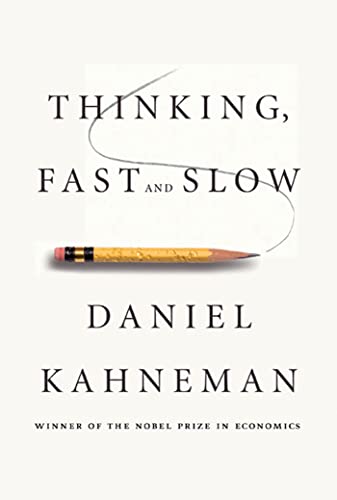
While not strictly about ethics, Kahneman's groundbreaking work on cognitive biases and decision-making provides an essential framework for understanding how we make choices, including moral ones. Its analytical rigor and profound insights into human rationality will appeal to those who appreciate Schur's intellectual approach.

Not sure what they've already read?
Let them pick their next favorite with an Amazon Gift Card.
As an Amazon Associate, we earn from qualifying purchases.

Harari's sweeping narrative, like Schur's book, encourages readers to think critically about humanity's past, present, and future, including the evolution of our values and societal structures. Its ability to synthesize vast amounts of information into an engaging, thought-provoking read will resonate with fans of intellectual non-fiction.
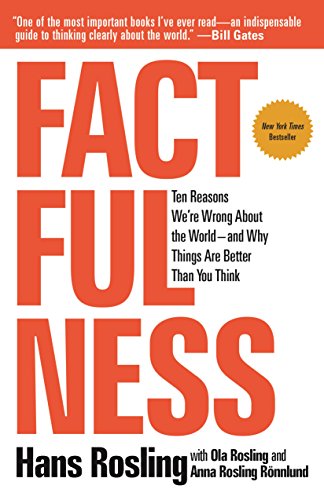
by Hans Rosling
Rosling's data-driven optimism and commitment to challenging misconceptions align with Schur's rational and hopeful approach to understanding the world and making better decisions. This book empowers readers with a clearer, more accurate view of global progress, fostering informed ethical perspectives.

This book shares "How to Be Perfect"'s accessible, witty, and engaging style while dissecting common cognitive biases and logical fallacies that influence our perceptions and choices. Readers will enjoy its humorous yet insightful exploration of human irrationality, which is crucial for ethical self-awareness.
by Kimberly S. Engels and Kyle William Johnson
For a direct dive into the philosophical underpinnings of Michael Schur's work, this anthology explores the ethical dilemmas and moral philosophy presented in "The Good Place." It offers a deeper, academic yet accessible, analysis of the very themes Schur tackles in "How to Be Perfect."

Irvine offers a practical, modern guide to Stoicism, making ancient philosophy accessible and relevant to contemporary life, much like Schur does with ethical philosophy. Readers seeking actionable advice on how to live a more fulfilling and virtuous life will find this book highly resonant.

Haidt's work delves into moral psychology, exploring the diverse foundations of human morality and why people hold different ethical views. This analytical and informative book provides crucial context for understanding the complexities of "being good" in a pluralistic world, complementing Schur's exploration of ethics.

Prefer to listen?
Try Audible and hear the story instead of reading it.
As an Amazon Associate, we earn from qualifying purchases.
As an Amazon Associate, we earn from qualifying purchases.