

Based on your book
How to Dodge a Cannonball
by Dayle, Dennard
How to Dodge a Cannonball is an unflinching look at what it takes to survive a childhood defined by chaos and instability. Dennard writes with a brutal, clear-eyed honesty that refuses to romanticize the wreckage of a dysfunctional upbringing. Instead of focusing on self-pity, the narrative tracks the tactical, often desperate maneuvers required to keep one’s head above water when your home environment feels more like a battlefield than a sanctuary. The pacing is sharp and urgent, mirroring the constant state of hyper-vigilance the author lived in for years. It is a deeply poignant account of how we carry our earliest scars into adulthood. This is a book for readers who prefer memoirs that cut to the bone, specifically those who appreciate a sharp, observational wit used as a shield against genuine trauma.
10 Books similar to 'How to Dodge a Cannonball'
If the survivalist spirit of How to Dodge a Cannonball resonated with you, these titles were selected because they share that same raw, unflinching commitment to truth. We focused on memoirs and novels that navigate the friction of non-conformist family dynamics and the heavy lifting of self-discovery after a volatile upbringing. Whether it is the dark, observational humor of Augusten Burroughs or the intense, lyrical resilience found in the work of Frank McCourt and Tara Westover, these books mirror the specific challenge of forging an independent identity when your foundation was built on shifting sand.
As an Amazon Associate, we earn from qualifying purchases.

Like 'How to Dodge a Cannonball,' this memoir explores the resilience required to survive a chaotic, non-conformist, and often dysfunctional upbringing. Both books masterfully blend dark humor with poignant reflections on the complex bond between children and their eccentric, unreliable parents.

This memoir shares the theme of navigating a restrictive and unconventional family environment while striving for self-discovery and independence. Fans of Dennard's survival story will appreciate the raw, introspective look at breaking free from the constraints of one's past.

This book mirrors the bizarre, darkly comedic, and deeply unsettling family dynamics found in 'How to Dodge a Cannonball.' Readers who enjoyed the author's ability to find levity in traumatic, unconventional circumstances will find a kindred spirit in Burroughs' narrative voice.
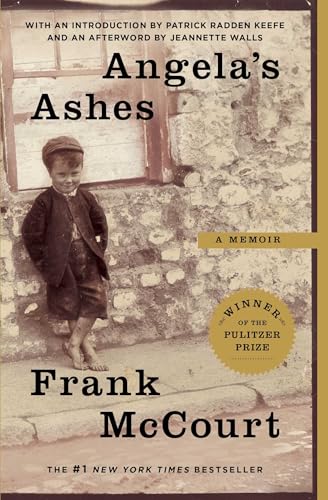
McCourt’s memoir captures the struggle of growing up in extreme hardship with a lyrical, observational style that resonates with the emotional weight of Dennard's work. Both authors excel at depicting the endurance of the human spirit against a backdrop of poverty and family turmoil.

Prefer to listen?
Try Audible and hear the story instead of reading it.
As an Amazon Associate, we earn from qualifying purchases.

by Mary Karr
Karr's memoir is a seminal work in the genre of dysfunctional family narratives, echoing the grit and sharp-witted survivalism present in 'How to Dodge a Cannonball.' It offers a similarly unflinching look at the secrets and lies that define a turbulent childhood.

While the setting differs, the core theme of using a journey to process past trauma and family loss aligns perfectly with the emotional arc of Dennard's book. Readers who connected with the author's path toward healing and self-acceptance will find this deeply moving.

This memoir examines the complicated relationship between a daughter and an overbearing, eccentric mother, mirroring the central conflict in 'How to Dodge a Cannonball.' It is a brilliant, intellectual, and deeply personal exploration of identity and survival.

For readers who appreciated the darker, more cynical, yet ultimately resilient tone of Dennard's writing, this memoir offers a similarly gripping account of survival. It balances the 'vibe' of chaotic life experiences with a sharp, observational eye on human behavior.

Fuller’s account of growing up in Africa with a volatile, eccentric family captures the same sense of 'dodging' danger as a way of life. The atmospheric and often harrowing descriptions of her childhood are perfectly aligned with the tone of Dennard's memoir.

Though a work of fiction, this novel captures the raw, visceral experience of growing up in poverty and navigating a hostile family environment with profound authenticity. It shares the same 'vibe' of fierce resilience found in 'How to Dodge a Cannonball.'

Love to read on the go?
Explore Kindle e-readers and take your books with you.
As an Amazon Associate, we earn from qualifying purchases.
As an Amazon Associate, we earn from qualifying purchases.