

Based on your book
How to Speak Whale
by Tom Mustill
Tom Mustill's How to Speak Whale starts with an astonishing, near-fatal encounter: a humpback whale breaching directly onto his kayak. This harrowing moment sparks a deeply personal quest into the profound mystery of interspecies communication. Mustill takes you on an adventurous, thought-provoking journey, blending his own experiences with a historical deep dive into humanity's long, complicated relationship with whales. He explores cutting-edge science, from ancient attempts to understand animal voices to modern AI aiming for a "first contact" with another intelligence. It's a book that feels both intensely immediate and grand in scope, questioning what it truly means to understand a mind so utterly different from our own. If you're drawn to big scientific mysteries, ethical dilemmas, and the thrill of exploring the unknown realms of nature, this book will absolutely hook you.
10 Books similar to 'How to Speak Whale'
If you found yourself captivated by How to Speak Whale, you'll find kindred spirits in these recommendations. We've gathered books that share that same sense of adventurous quest into the unknown, whether it's attempting to understand the consciousness of an octopus, the intricate communication of fungi, or the hidden lives of diverse creatures. Each selection delves into the profound mystery of human-animal connection and the thrilling, sometimes humbling, challenge of bridging the gap between species. They all invite you to ponder the "first contact" possibilities and the deep ethical questions that arise when we truly try to listen to the natural world.
As an Amazon Associate, we earn from qualifying purchases.

Fans of "How to Speak Whale" will be captivated by this immersive journey into the minds of octopuses, another highly intelligent and enigmatic marine creature. Montgomery's blend of personal narrative and scientific inquiry mirrors Mustill's approach, fostering a similar sense of wonder and deep curiosity about interspecies communication and consciousness.

This book offers a profound and lyrical exploration of whales and their complex relationship with humanity, echoing "How to Speak Whale" in its deep dive into these magnificent creatures. Giggs combines scientific insight with cultural history and environmental concern, providing a reflective and informative look at the challenges and wonders of understanding whales in the modern world.

by Ed Yong
Readers who enjoyed "How to Speak Whale"'s quest to understand another species' perspective will be fascinated by Yong's exploration of animal senses. This book brilliantly illuminates how different creatures perceive the world, offering a scientific yet wondrous look at the diverse ways life experiences reality, which is crucial for bridging communication gaps.

While focusing on fungi rather than animals, "Entangled Life" shares "How to Speak Whale"'s sense of awe and wonder at complex, hidden communication systems in nature. Sheldrake's engaging narrative style makes intricate scientific concepts accessible, revealing a world of interconnectedness and intelligence that challenges our anthropocentric views, much like Mustill's work.

Not sure what they've already read?
Let them pick their next favorite with an Amazon Gift Card.
As an Amazon Associate, we earn from qualifying purchases.

This memoir, blending personal grief with the demanding process of training a goshawk, offers a profound exploration of human-animal connection and the wildness within both. Fans of "How to Speak Whale" will appreciate the intense observation of animal behavior, the lyrical prose, and the introspective journey of attempting to understand and connect with another species.
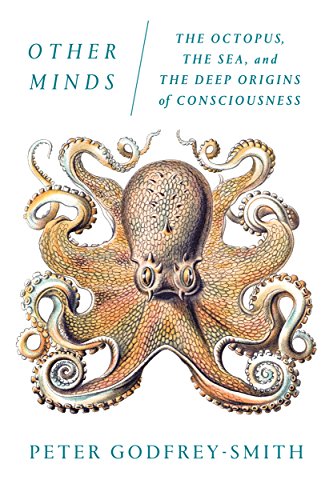
For those drawn to the philosophical and scientific questions raised by "How to Speak Whale" regarding non-human intelligence, this book on octopus consciousness is a perfect match. Godfrey-Smith, a philosopher and diver, combines scientific findings with deep philosophical inquiry, offering a rigorous yet accessible exploration of what it means to be a mind.

While broader in scope, "Braiding Sweetgrass" resonates deeply with "How to Speak Whale" through its profound respect for the natural world and its exploration of how we can better understand and communicate with other living beings. Kimmerer beautifully weaves scientific knowledge with Indigenous ecological wisdom, offering a lyrical and hopeful vision for our relationship with nature.
Like "How to Speak Whale," this book invites readers to reconsider the complex emotional and intellectual lives of animals, moving beyond simplistic views. Wohlleben presents fascinating observations and scientific insights in an accessible, engaging style, fostering a deeper appreciation for the sentience and individuality of creatures across the animal kingdom.
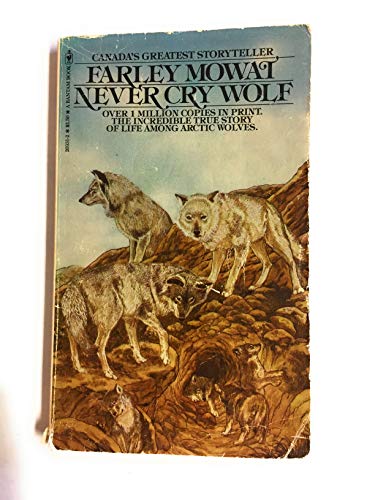
by Farley Mowat
This classic account of a biologist immersing himself in the Arctic to study wolves shares "How to Speak Whale"'s spirit of adventurous scientific inquiry and challenging preconceived notions about wild animals. Mowat's engaging narrative, blending humor with keen observation, captures the struggle and triumph of attempting to understand a species on its own terms.

This book embarks on a global quest to understand the kea, a highly intelligent parrot, mirroring "How to Speak Whale"'s journey into the mysteries of animal intelligence and communication. Meiburg blends natural history, scientific research, and adventure, creating a compelling narrative that explores the evolution of intelligence and the wonders of the natural world.

Love to read on the go?
Explore Kindle e-readers and take your books with you.
As an Amazon Associate, we earn from qualifying purchases.
As an Amazon Associate, we earn from qualifying purchases.