

Based on your book
How We Got to Now: Six Innovations That Made the Modern World
by Steven Johnson
Steven Johnson has a knack for pulling back the curtain on the everyday world and showing you the surprising, circuitous paths that led us here. In How We Got to Now, he doesn't just present inventions; he meticulously traces the often-unseen ripple effects of six crucial innovations, from clean water systems to the humble refrigerator, revealing how they didn't just change technology, but fundamentally reshaped our societies, cultures, and even our way of thinking. This isn't a dry history lesson; it's a fascinating intellectual adventure, brimming with 'aha!' moments that connect seemingly disparate events across centuries. You'll find yourself constantly pausing, turning over new insights in your mind, and looking at the world around you with fresh eyes. If you're someone who loves to understand the 'why' and 'how' behind the modern world, and enjoys a deeply researched, thought-provoking journey through human ingenuity, this book is absolutely for you.
10 Books similar to 'How We Got to Now: Six Innovations That Made the Modern World'
If Steven Johnson's How We Got to Now sparked your curiosity about the hidden gears of history, you're in for a treat with these recommendations. We've curated this list for readers who appreciate a good historical deep dive and love uncovering the surprising connections between seemingly simple innovations and monumental societal shifts. Just like Johnson, these authors excel at pulling back the curtain, offering a behind-the-scenes look at human ingenuity and the cumulative, often circuitous, path of progress. You'll find expansive narratives that connect disparate dots, alongside focused explorations of single inventions that reshaped our world.
As an Amazon Associate, we earn from qualifying purchases.

Harari's work shares Steven Johnson's expansive scope, tracing the major innovations—from the cognitive revolution to the scientific revolution—that have shaped human civilization. Readers will appreciate the thought-provoking connections between seemingly disparate historical events and the profound impact of ideas on our modern world.

Diamond's Pulitzer-winning book dissects the environmental and geographical factors that led to the development of different societies and technologies, echoing Johnson's exploration of how underlying conditions foster innovation. It offers a grand narrative that connects seemingly small details to monumental historical outcomes, much like 'How We Got to Now'.

As another work by Steven Johnson himself, this book is a perfect match, focusing on a single, pivotal innovation—the mapping of a cholera outbreak—and its ripple effects on public health and urban planning. It exemplifies his signature style of revealing the interconnectedness of ideas and the long-term consequences of specific historical moments.

by Bill Bryson
Bryson takes readers on an engaging and often humorous journey through the history of science and discovery, making complex ideas accessible and fascinating. His narrative style, which highlights the human stories behind major breakthroughs, will resonate with fans of Johnson's approach to explaining how the modern world came to be.

Prefer to listen?
Try Audible and hear the story instead of reading it.
As an Amazon Associate, we earn from qualifying purchases.
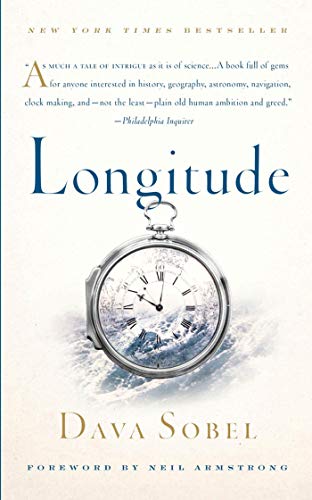
by Dava Sobel
Sobel's compelling narrative focuses on John Harrison's decades-long quest to invent an accurate marine chronometer, a single innovation that revolutionized navigation. This book shares Johnson's fascination with the genesis and impact of crucial inventions, highlighting the perseverance and ingenuity required to solve complex problems.

Kurlansky masterfully demonstrates how a single, seemingly mundane commodity like salt has profoundly influenced human history, economics, and culture across millennia. This deep dive into the far-reaching impact of one element mirrors Johnson's method of tracing the extensive consequences of specific innovations.

by James Gleick
Gleick explores the evolution of information theory from ancient alphabets to the digital age, examining how communication innovations have shaped human understanding and society. Its analytical depth and broad historical sweep will appeal to readers who enjoy Johnson's exploration of interconnected ideas and their transformative power.

Boorstin's monumental work chronicles humanity's quest for knowledge across various fields—time, earth, sky, and self—showcasing the spirit of inquiry and the cumulative nature of discovery. It offers a comprehensive historical perspective on how innovations in understanding have continually reshaped our world, aligning with Johnson's themes.

Pinker presents a data-driven argument for the positive impact of reason, science, and humanistic values on global progress and well-being. This book shares Johnson's optimistic view of human ingenuity and innovation, providing a compelling, evidence-based narrative about how we got to a better 'now' through continuous improvement.

by Carl Sagan
Sagan's classic invites readers on an awe-inspiring journey through the universe, weaving together scientific discovery, human history, and philosophical reflection. Its lyrical prose and grand scope in exploring humanity's place in the cosmos, and the innovations that led to our understanding, will captivate those who appreciate Johnson's blend of science, history, and wonder.

Love to read on the go?
Explore Kindle e-readers and take your books with you.
As an Amazon Associate, we earn from qualifying purchases.
As an Amazon Associate, we earn from qualifying purchases.