

Based on your book
How We Love, Expanded Edition
by Yerkovich, Milan
How We Love offers a practical framework for identifying the unconscious blueprints we carry from childhood into our adult romances. The authors break down five specific love styles, helping you trace your current relationship struggles back to the emotional environment you grew up in. Reading this feels less like a clinical lecture and more like a guided excavation of your own history. It is deeply introspective, asking you to sit with uncomfortable truths about your upbringing to understand why you might push people away or cling too tightly. The pace is steady and empathetic, designed for readers who are tired of repeating the same relational mistakes. If you are ready to move past blaming your partner and instead want to take ownership of your personal growth and emotional health, this book provides the necessary map for that journey.
10 Books similar to 'How We Love, Expanded Edition'
Since you found resonance in the diagnostic approach of How We Love, our curated list focuses on the intersection of childhood history and adult intimacy. We chose these titles because they mirror the book's blend of psychological insight and actionable advice. Whether you want to explore the neuroscience of attachment in Wired for Love, learn to set firm structural boundaries with Cloud and Townsend, or dig into the roots of trauma with Bessel van der Kolk, these selections will help you continue the work of building a more secure and intentional life.
As an Amazon Associate, we earn from qualifying purchases.

by Amir Levine and Rachel Heller
This book serves as the foundational psychological framework for understanding the attachment styles discussed in Yerkovich's work. It provides a scientific, yet accessible, breakdown of why we behave the way we do in relationships, making it a perfect companion for those seeking to deepen their self-awareness.

by John Gottman
Gottman's research-based approach complements the Yerkovichs' methodology by offering practical, actionable tools for conflict resolution and emotional connection. Fans of the structured, diagnostic approach in 'How We Love' will appreciate the clear, evidence-backed strategies presented here.
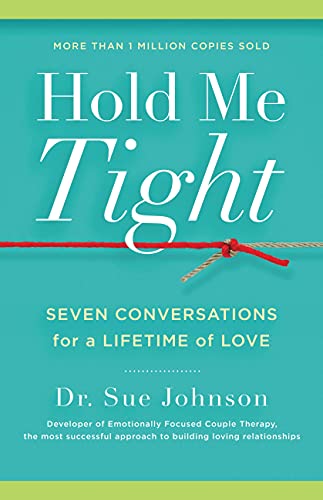
by Sue Johnson
Focusing on Emotionally Focused Therapy (EFT), this book mirrors the Yerkovichs' emphasis on identifying the 'dance' of interaction within a marriage. It provides a compassionate, deep-dive guide into repairing emotional bonds, perfect for readers who valued the relational healing aspects of the original book.

by Henry Cloud and John Townsend
Often recommended alongside 'How We Love,' this classic addresses the essential structural component of healthy relationships: personal boundaries. It shares the same Christian-counseling perspective and focuses on the intersection of faith and psychological health.

Love to read on the go?
Explore Kindle e-readers and take your books with you.
As an Amazon Associate, we earn from qualifying purchases.

by Stan Tatkin
Tatkin combines neuroscience with relationship advice, offering a similar 'diagnostic' feel to the Yerkovichs' love styles. This book is ideal for readers who want to understand the biological and psychological underpinnings of their partner's reactions.
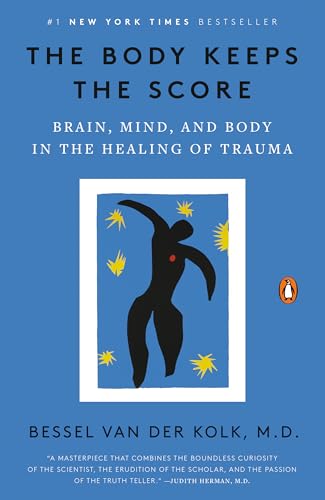
While broader in scope than marriage counseling, this book explains the childhood trauma roots that the Yerkovichs identify as the source of maladaptive love styles. It is an essential read for anyone looking to understand the 'why' behind their deepest emotional triggers.

This book shares the same target audience as 'How We Love' and focuses on the distinct emotional needs of spouses. It provides a complementary framework for understanding communication breakdowns, making it a staple in Christian relationship literature.

by Henry Cloud and John Townsend
For readers who identified unhealthy attachment patterns in themselves, this book provides the practical wisdom needed to evaluate the character of others. It acts as a logical next step for those who have begun the work of healing their own love styles.

Keller offers a profound theological and practical perspective on marriage that aligns with the values found in 'How We Love.' It elevates the conversation from just 'fixing' a relationship to understanding its deeper purpose and spiritual significance.

Since 'How We Love' emphasizes how childhood experiences shape adult relationships, this book is an excellent resource for digging deeper into those formative years. It helps readers identify the specific parental dynamics that led to their current attachment challenges.

Not sure what they've already read?
Let them pick their next favorite with an Amazon Gift Card.
As an Amazon Associate, we earn from qualifying purchases.
As an Amazon Associate, we earn from qualifying purchases.